Doc Talk | Antibiotics Not Working After 48 Hours? Signs You Should Not Ignore
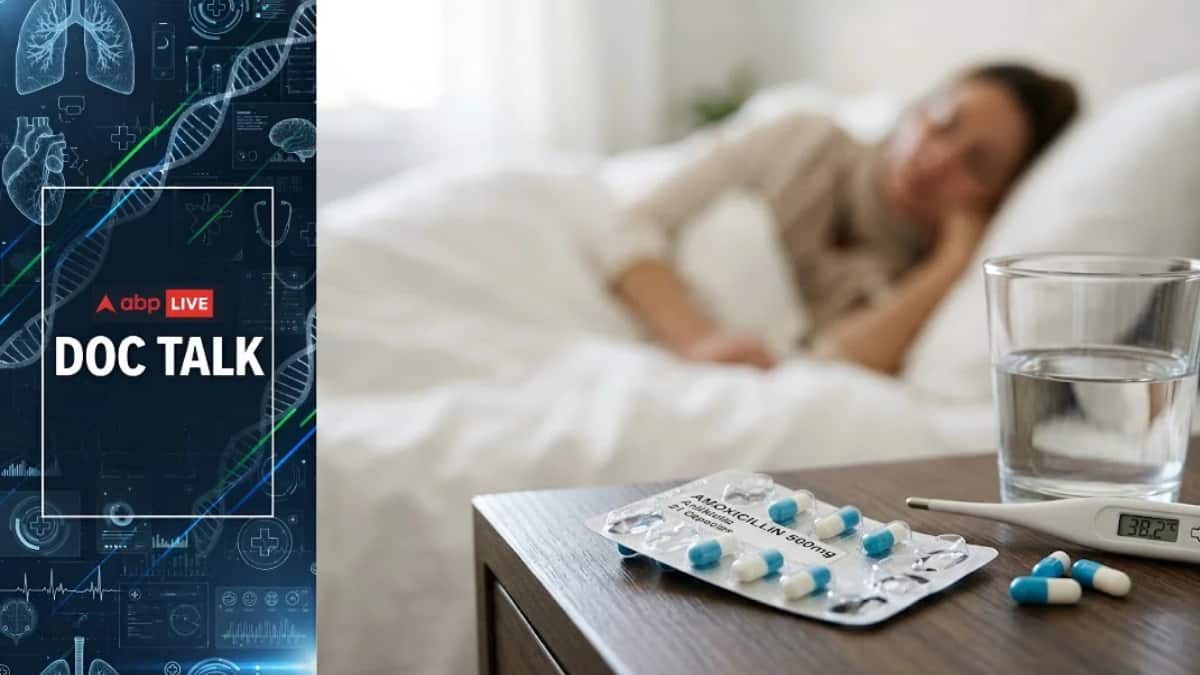
Antibiotics do not work instantly, and lack of improvement after 48 hours does not always mean treatment has failed. But persistent or worsening symptoms can be a reason to reassess the diagnosis and treatment.
It is easy to become impatient when an antibiotic has been prescribed and the fever, cough, sore throat or pain is still there two days later. Many people begin wondering whether the medicine is “strong enough” or whether they should stop taking it and try something else. Both reactions can be misleading.
Antibiotics are designed to treat bacterial infections, but they do not provide immediate relief from symptoms. Even when the medicine is appropriate, the body may need time to clear the infection and recover from the inflammation it has caused. Improvement can vary depending on the infection, the antibiotic being used and the person’s overall health.
ALSO READ: Doc Talk | Dandruff Or Dry Scalp? How To Identify Your Flakes And Treat Them Right
Why Are You Not Feeling Better After 48 Hours On Antibiotics?
There is also another important possibility: the illness may not be bacterial in the first place. Many common respiratory infections, for example, are caused by viruses, against which antibiotics have no effect. Taking an antibiotic unnecessarily will not speed recovery and can expose a person to side effects and contribute to antibiotic resistance, making some bacteria harder to treat in the future.
So, what should you expect after starting an antibiotic? After a few bacterial infections, symptoms may appear to be on the road to recovery within 48 to 72 hours, yet, that is just a typical pattern in some infectious conditions that cannot be generalized for all. Fever, tiredness, cough or discomfort may take longer to settle even when treatment is working. What matters is the overall direction: are symptoms gradually improving, staying unchanged or getting worse?
If there is no improvement after around two to three days, or symptoms are worsening at any point, it is reasonable to contact the treating doctor. The doctor will most probably assess whether the original diagnosis was correct, whether the infection needs another type of treatment, or whether there is another condition causing the symptoms.
Warning Signs That Mean You Should See A Doctor
Certain symptoms should not be monitored at home while waiting for an antibiotic to work. Difficulty breathing, chest pain, confusion, severe weakness, persistent vomiting, dehydration, a rapidly worsening infection, severe allergic symptoms such as swelling of the face or difficulty breathing, or a very high or persistent fever warrant prompt medical attention. People with significant underlying illnesses or weakened immunity may also need earlier review.
ALSO READ: Doc Talk | 4 Eye Diseases That Can Progress Without Symptoms
Should You Stop Or Change Antibiotics?
One of the most common mistakes is changing the antibiotic without medical advice. If the medicine has been prescribed, do not stop, extend or switch the course simply because you are not feeling better after two days. At the same time, do not assume that every symptom requires an antibiotic. The right treatment depends on the cause of the illness.
Two days without improvement is a reason to reassess, not automatically a reason to panic or change medicines yourself. Patients should look at whether symptoms are improving overall and speak to their doctor if they are not, particularly if symptoms are worsening. The priority is to confirm that the diagnosis and treatment are appropriate rather than simply choosing a stronger antibiotic.
Antibiotics don't operate like magical symptom remedies that you take for your cold. They don't give you immediate or even noticeable results. If, however, your symptoms persistently remain or get worse, never take them for granted. Allow time for healing with the drug, never exceed the dosage beyond your prescribing physician's instruction, and, when your recovery isn't on track, consult your physician about the possibility of changing your treatment plan.
Disclaimer: The information provided in the article is shared by experts and is intended for general informational purposes only. It is not a substitute for professional medical advice, diagnosis, or treatment. Always seek the advice of your physician or other qualified healthcare provider with any questions you may have regarding a medical condition.
This content is published by ABP Live - Health and has not been created or edited by Hello Headlines. View original