Understaffed, crumbling: The reality of Hyderabad govt schools
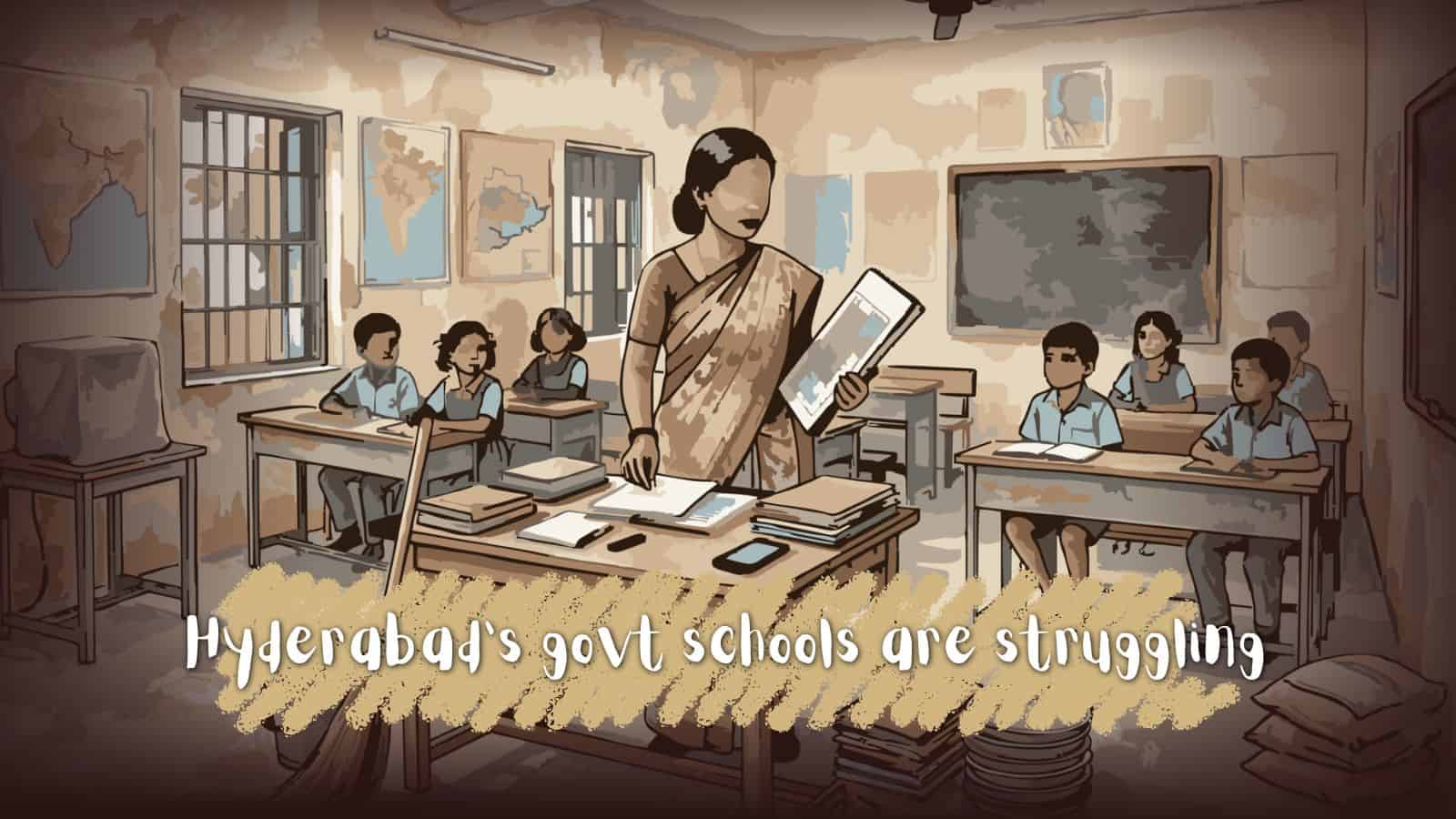
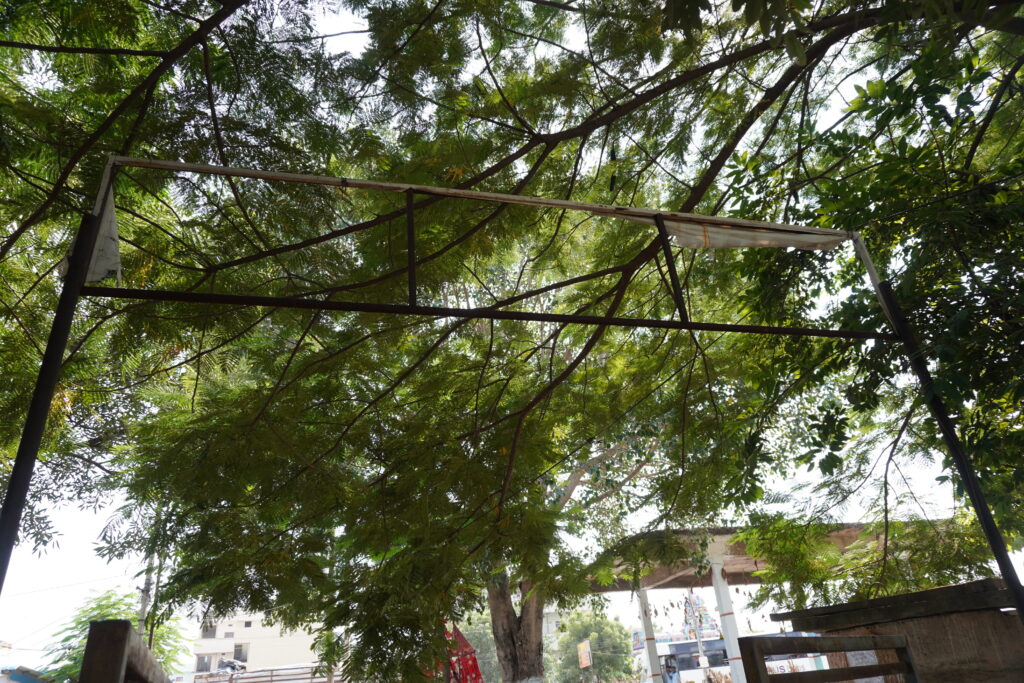
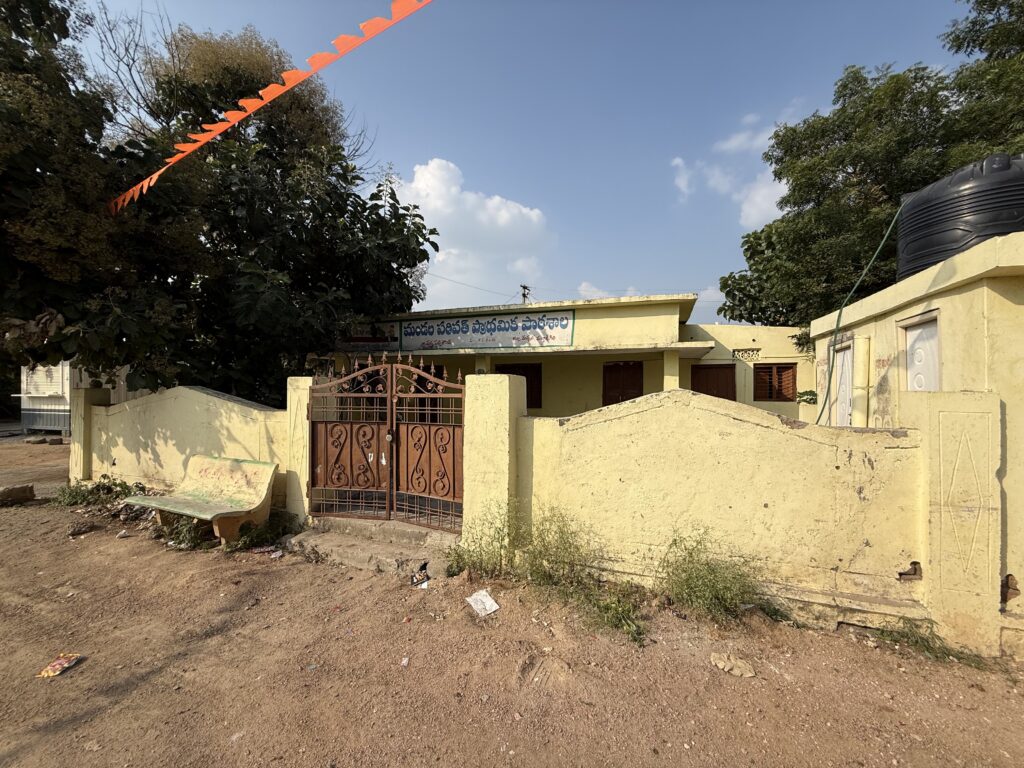
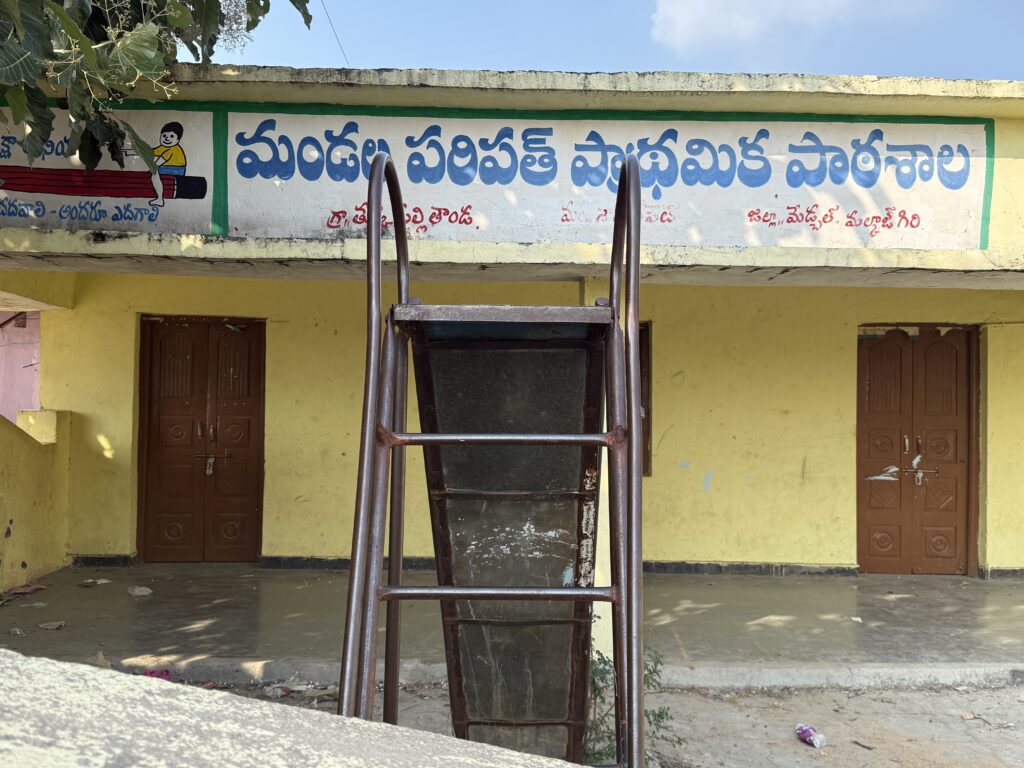
Hyderabad: After every holiday, the compound of the Mandal Parishad Primary School (MPPS) in Shamirpet, on Hyderabad’s outskirts, is strewn with beer bottles, plastic cups, cigarette butts and Ganja stubs. A classroom tablet has been stolen, windows smashed and an almirah forced open for cash. Vandals set fire to the motor that supplies the school’s water and broke its banner. Trespassing here is routine.
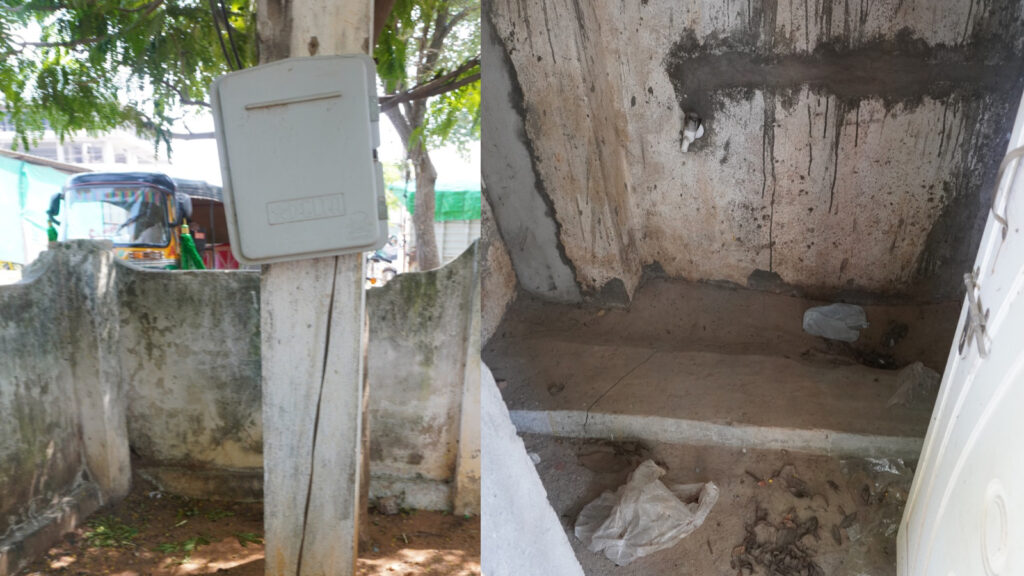
“I don’t know why all of this has to fall on me. It’s all too hard,” said Manaswini (name changed), who teaches there. When she asked the police for security cameras, “they installed them so far out on the road that they don’t cover the walls the robbers use to climb over.” She paid for the motor’s repair herself.
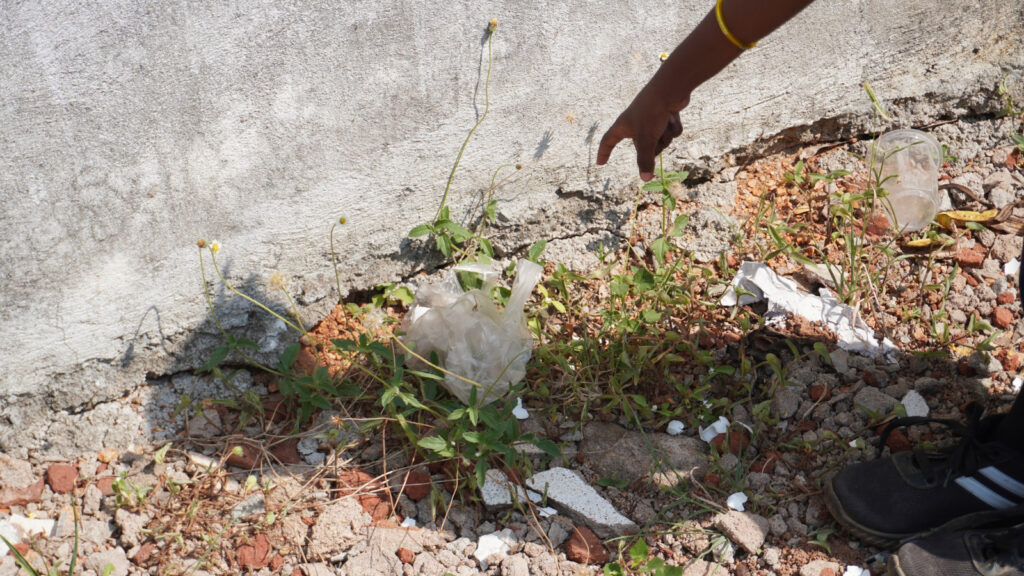
A ground survey of government schools in and around Hyderabad by Siasat.com show that they are not short of textbooks or uniforms, and some even have digital classrooms. What many lack, teachers and students told, is what it takes to keep a school running: cleaners, security, headmasters, enough teachers and money for day-to-day costs.
The gap is usually filled by whoever is left in the building.
No cleaner, no headmaster
Manaswini said her school doesn’t have a cleaner. “I have to teach, clean the plates, sweep the floors, lock up after myself and clean the toilets too. Frankly, it’s embarrassing to say it out loud,” she said. The Mandal Educational Officer (MEO), meanwhile, wants attendance and enrolment up.
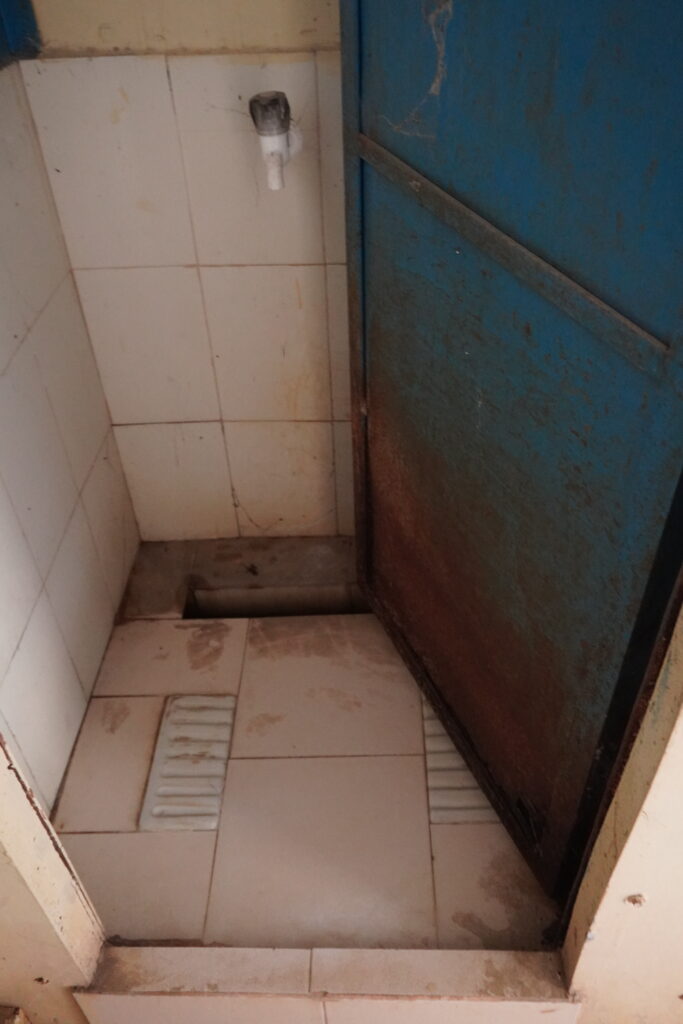
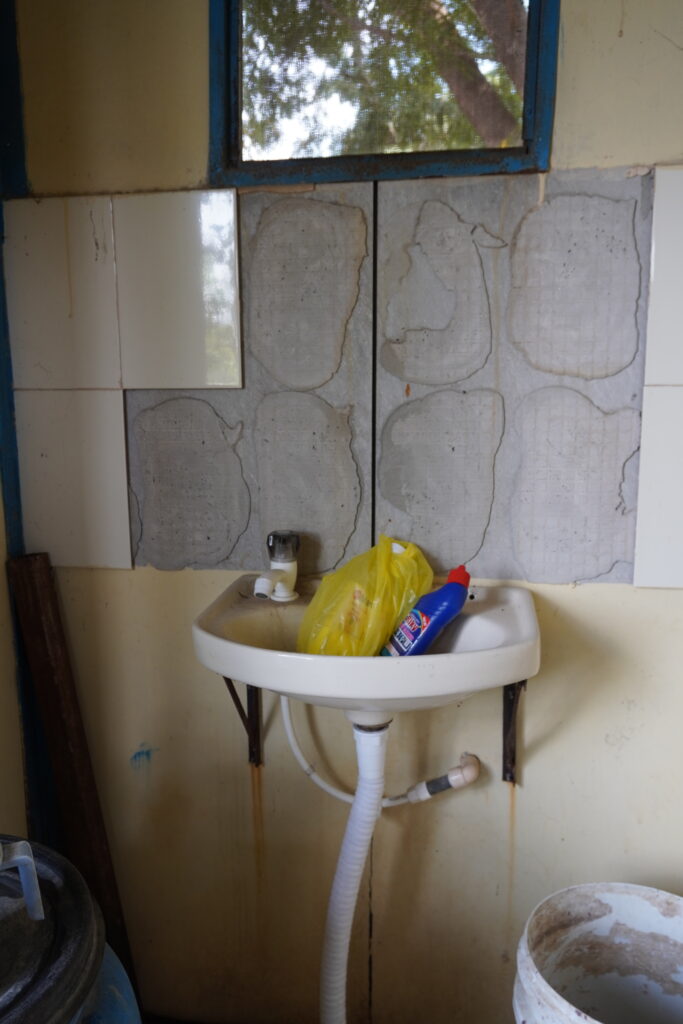
Complaints can go to the headmaster or the MEO, but recurring security and maintenance failures need funds, staff and official intervention, not one teacher’s effort.
A Class 3 student said the teacher “has done a lot for us, but she still gets into so much trouble for no reason.” At the high school nearby, the girl alleged, students “regularly drink, smoke ganja and cheat in tests. The teacher here does so much to make sure we don’t turn into that.”
At a government school in Golconda, the shortfall is in people, not equipment. “We have all the amenities we need, but the staffing issue is very difficult,” said Ahmed, a teacher there. The school has no headmaster, office attendant or cleaning staff, and not enough subject teachers. “We end up filling these roles ourselves so the children have an uninterrupted classroom experience,” he told Siasat.com.
At a Zilla Parishad High School (ZPHS) in Serilingampally, which has an attached primary section, six teachers handle about 117 students from Class 1 to Class 10.
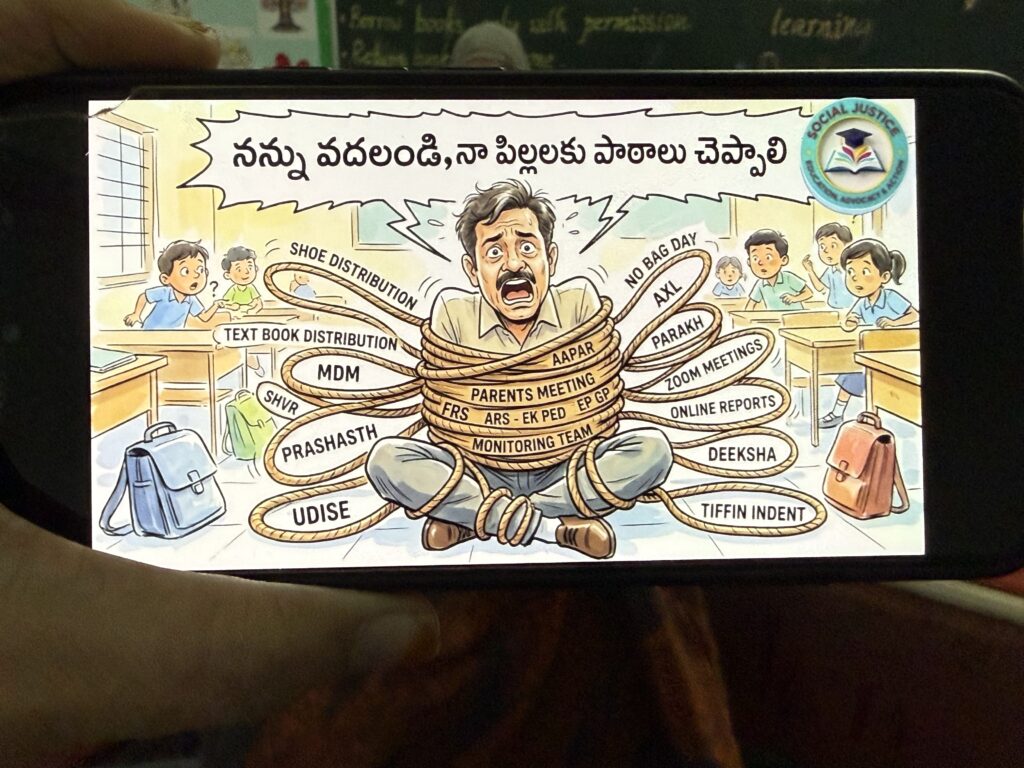
Even the staff that schools do have are spread thin. “A lot of teachers have other duties allocated to them too, like census work, SIR work or BLO work, along with other responsibilities that are unavoidable,” said Bharathi (name changed), who teaches in Karwan.
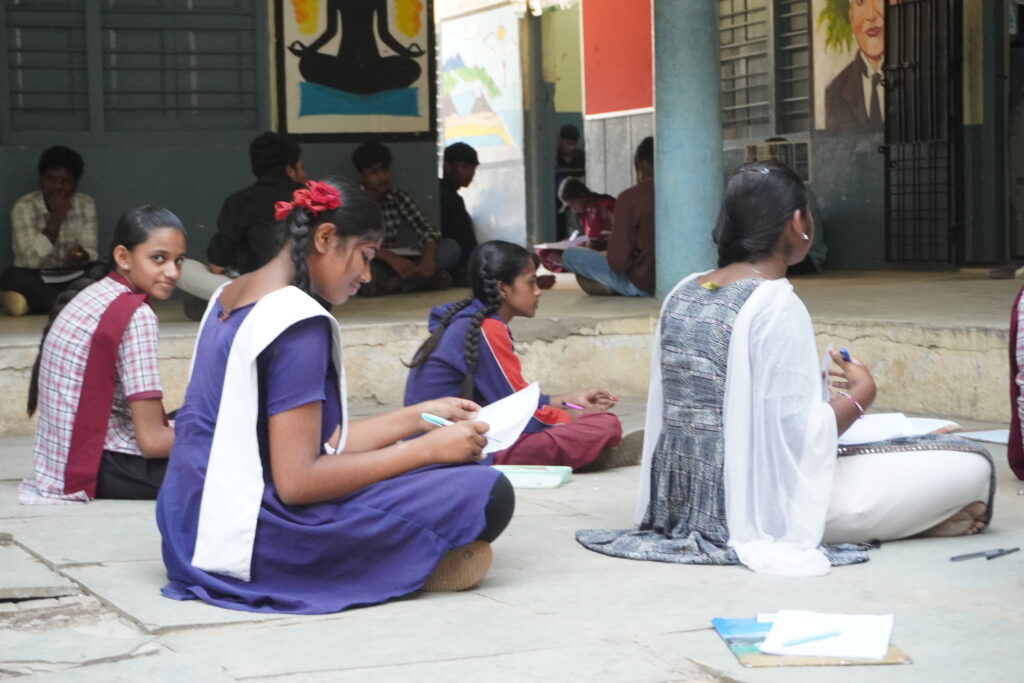
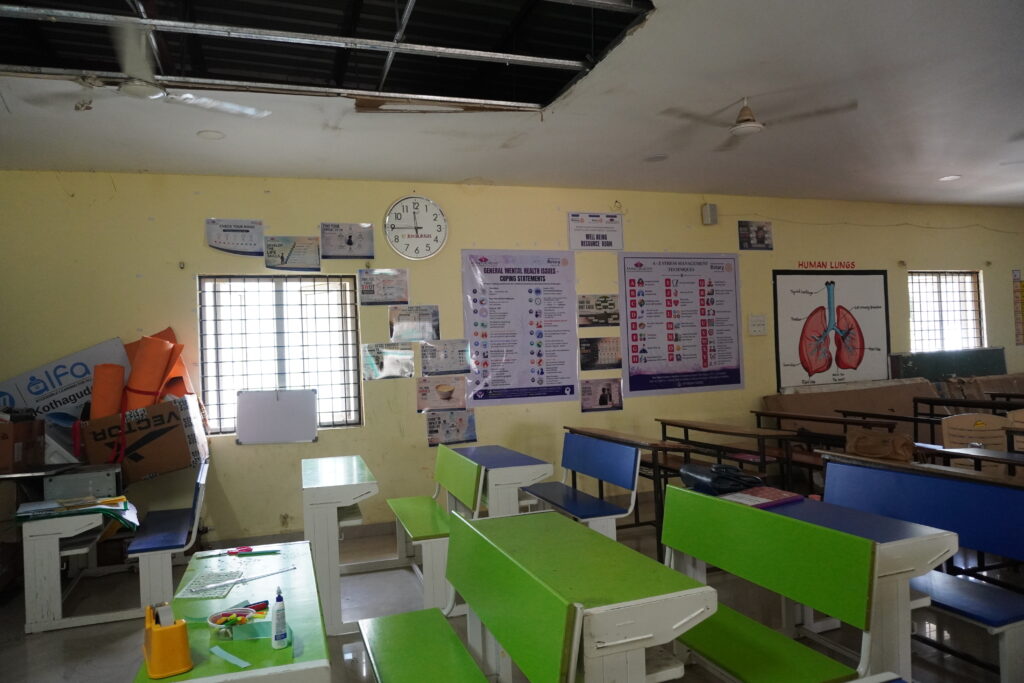
Teachers are routinely posted as Booth Level Officers (BLO), including for this year’s Special Intensive Revision (SIR) of electoral rolls. How much class time is lost depends on how often such duties come, how many teachers a school has and how classes are covered.
Computer rooms, no instructors
A school in Shaikpet mandal has a well-equipped computer room with modern machines but nobody to run it or help students use them, a teacher there told Siasat.com.
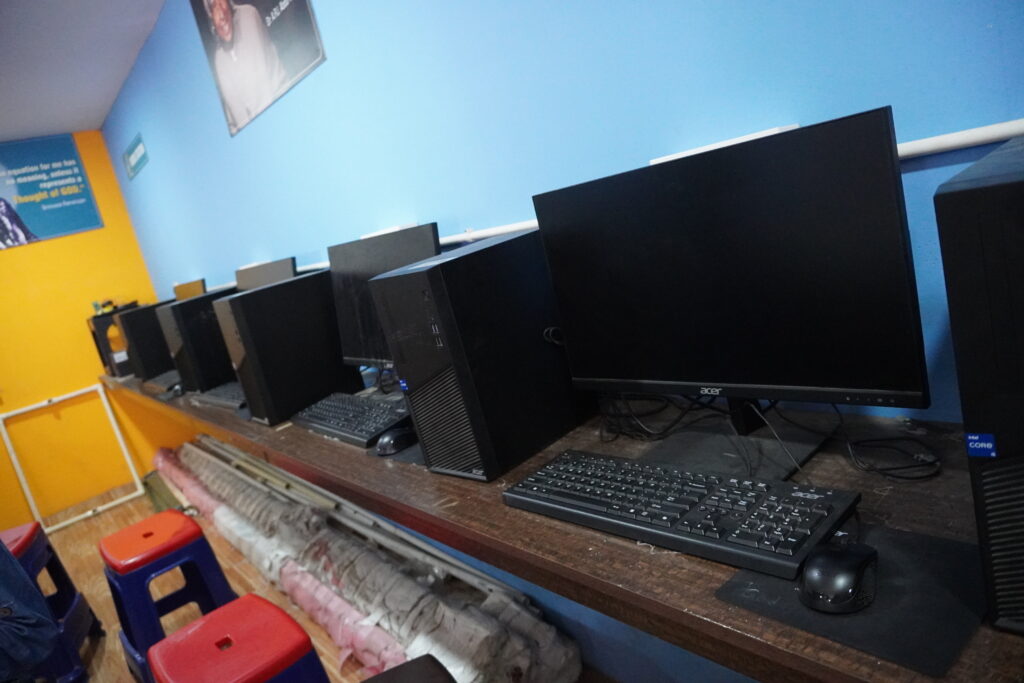
At a ZPHS in Gachibowli, an NGO volunteer teaches computer skills for Rs 5,000, which the principal called too little to be any real incentive. Before COVID-19, the principal said, staff shortages were covered by Vidya Volunteers on an honorarium of Rs 12,000 a month. Volunteers who fill such gaps now get “a measly Rs 5,000, which discourages them from coming. In today’s economy, that money is really nothing… If we really require them, we all portion out a part of our salary and give the volunteers.”
Without trained people, computer rooms, labs and libraries sit idle or become one more job for teachers.
Costs nobody covers
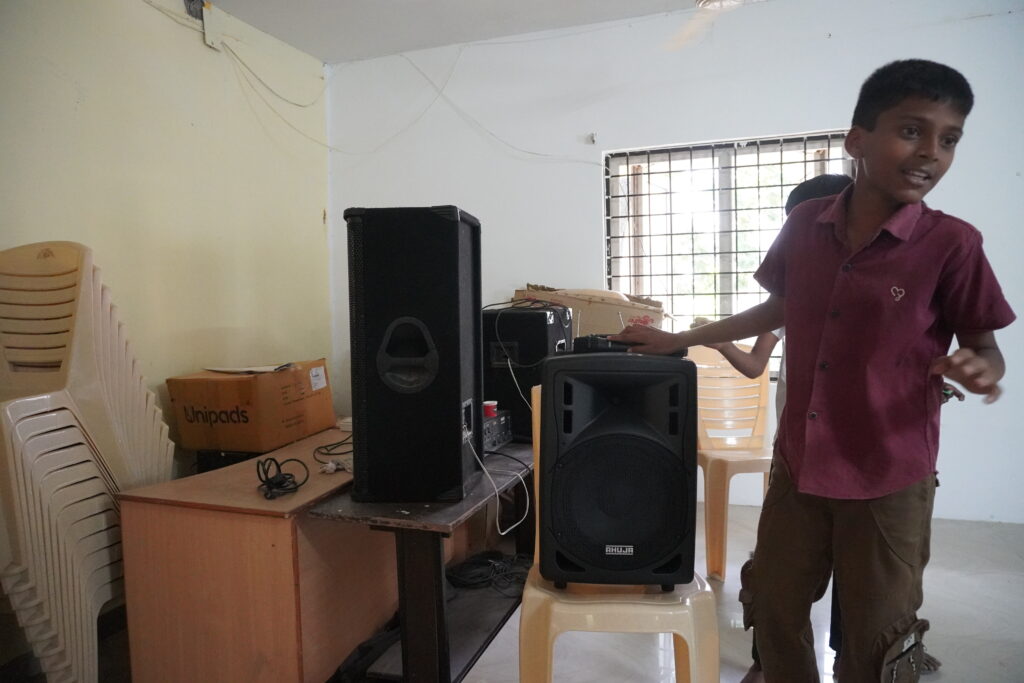
“Sure, we do get uniforms and books, but the government does not really pay for transport,” said Shifa Unnisa (name changed), who teaches at the Serilingampally school. Staff collect supplies themselves or pay for delivery apps. They also attend frequent meetings called by the District Educational Officer (DEO), make sure students are fed every day and phone absent children to bring them back.
For the “Ek Ped Maa Ke Naam” plantation drive, teachers had to buy saplings, transport and plant them, submit proof and maintain them. The allowance came only after the money was spent, and only against receipts.
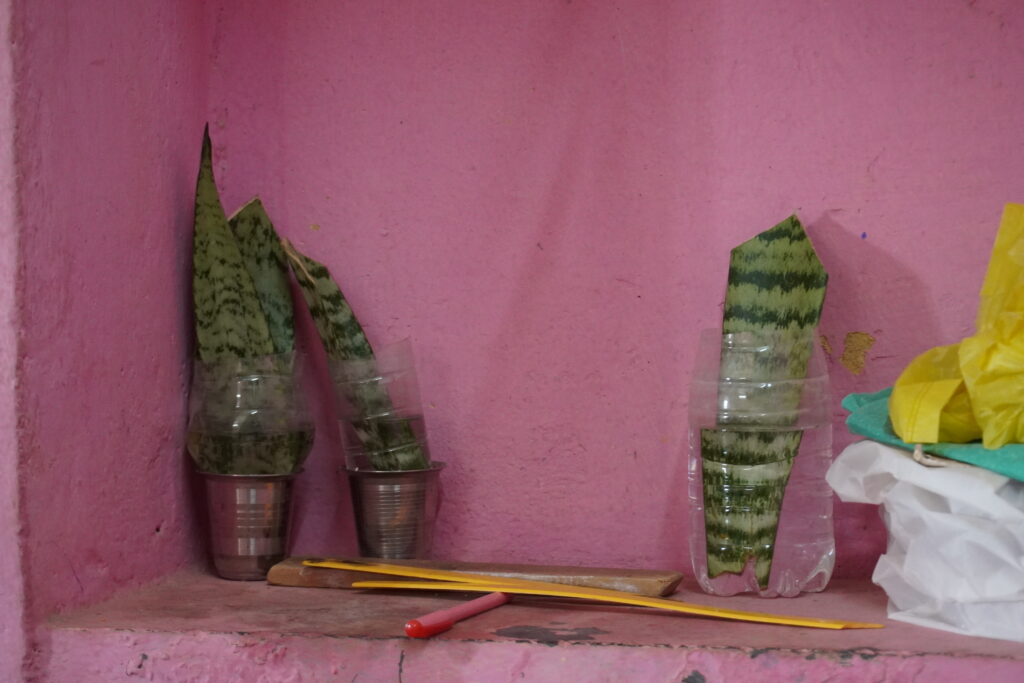
“The people at a nursery are not the type to give us a receipt, and going to a government nursery is logistically unfeasible,” Unnisa said. “Essentially, we had to pay for the plants, transport them, plant them and maintain them. It is not as though we would get an allowance to look after them either.”
The school nobody knew
Some schools must first prove they exist. When Khaja Pasha, a teacher at the Government High School in Langar Houz, Golconda, began going door to door in 2018 after the government directed him to raise enrolment, residents took the building for a mosque or a madrassa. “Nobody knew it was a school. I had to explain that I was not a maulvi, but a government schoolteacher,” he said.
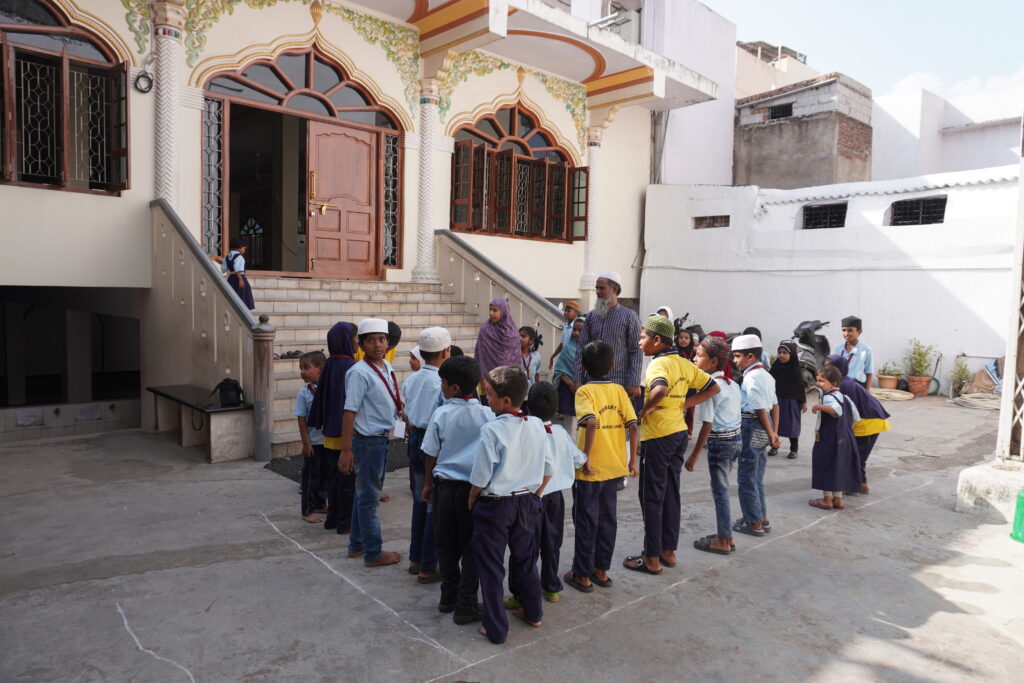
The school had six students then. After years of campaigns and pamphlets, it has 47. When the parents of his first two recruits asked about transport, Pasha offered to pick the children up and drop them home, since they lived along his route. “One day, I was sick and couldn’t go. The parents called me and asked why I hadn’t come to take their children to school,” he said. “I didn’t really know how to feel, but that’s how it is for us here.”
“The lives of the students depend on how I perform, and their performance gives me a means to live,” he told Siasat.com. “I was once a student at a government school myself, and I understand how difficult it can be.”
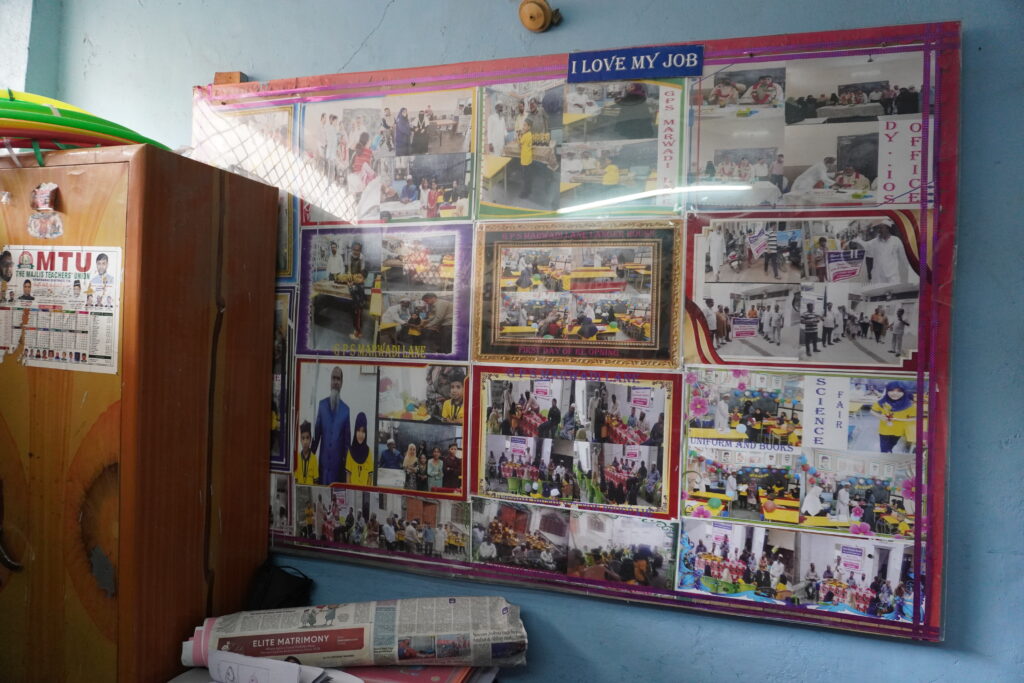
Land is another pressure. At a school in Rangareddy district, students said their teacher, Qadir (name changed), had to fight off people who encroached on the school grounds. “We have since had to build a fence around the remaining area, but before COVID-19, that was where we used to play,” a student said. Qadir comes in early and takes tuition classes to improve their Telugu.
Children on the move
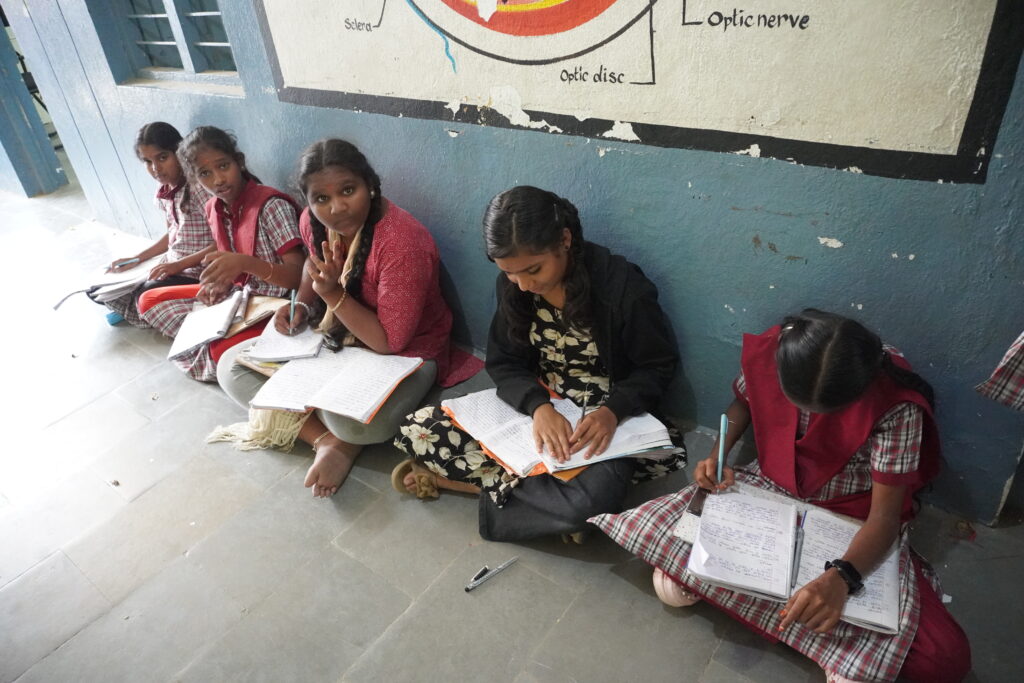
In Golconda, Karwan and Attapur, teachers say frequent moves keep breaking children’s schooling. A child who changes schools must settle into a new classroom and catch up on lost lessons; one who moves between states may face a different language of instruction, syllabus and style of teaching. Parents with little money or long working hours can rarely help.
Ahmed said many of his students have two working parents, and several families move often, for jobs or family reasons. Remedial classes help, “but there is only so much we can do.” One student skipped an examination because his father had told him failing one would not matter. “What can we do in such circumstances?” Ahmed asked.
Qadir’s students, too, contend with migration, little academic help at home and few routes to further study.
Student IDs are meant to keep records continuous. The Permanent Education Number (PEN) is a unique identifier across education platforms. The Automated Permanent Academic Account Registry (APAAR) pulls a student’s records together to make transfers easier. According to the National Informatics Centre, Aadhaar can be treated as an attribute of PEN rather than a mandatory identifier.
APAAR’s official guidance, however, lists Aadhaar-related verification for generating an ID. In July, the Supreme Court directed that APAAR consent forms across the country give parents a clear option to refuse.
For children without Aadhaar, among them foreign nationals and children from Nepal, schools must check the procedure with education authorities rather than assume both systems work alike. And a record that follows a child does not guarantee the learning will.
Pay in limbo
Staff are also caught in a long-running pay dispute. Dearness Allowance (DA) offsets inflation. The Pay Revision Commission (PRC) reviews pay structures and recommends revisions. Manaswini called the DA and PRC issues long-pending.
On October 7, the state government had released two pending DA instalments, due from January and July 2024, to be paid with October salaries on November 1. The second PRC, set up in October 2023, is yet to submit its report.
Krishna Reddy, Rangareddy district general secretary of the Progressive Recognised Teachers’ Union (PRTU), said the delays had cost employees financially and shaken their faith in the government’s word.
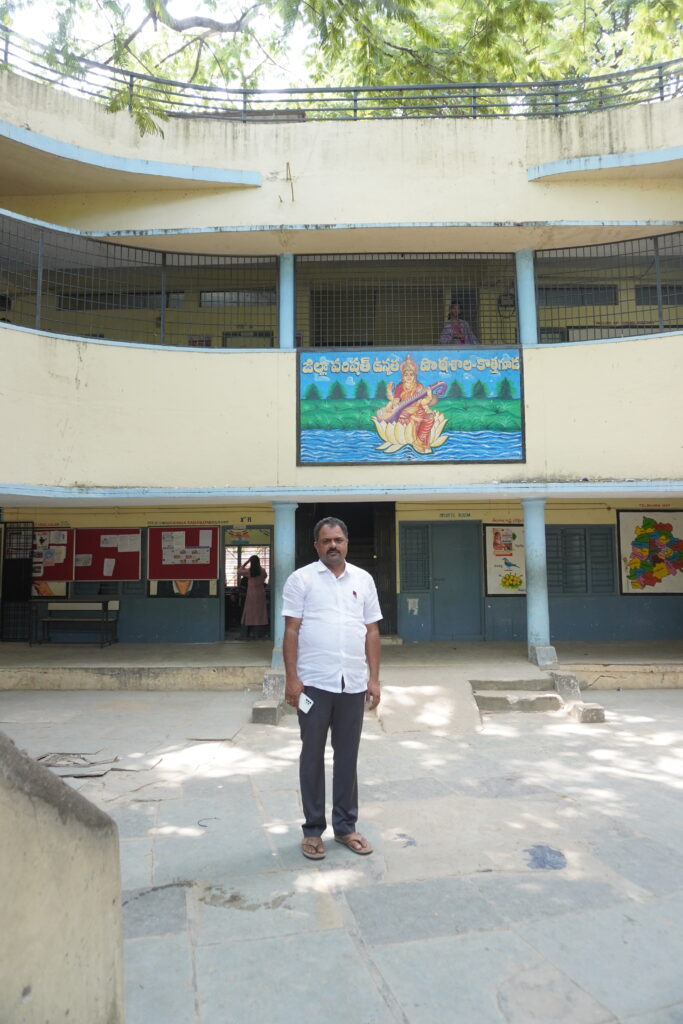
“Government jobs are favoured over private jobs because the pay is good, there is job security and, of course, there are retirement benefits. But after the New Pension Scheme was implemented in 2004, pensions became a thing of the past,” he told Siasat.com.
(In undivided Andhra Pradesh, staff recruited from September 1, 2004, came under the Contributory Pension Scheme)
Delaying DA for so long, he said, “has caused a lot of financial damage. It is also a disincentive. The Pay Revision Commission’s recommendations have not yet been implemented.”
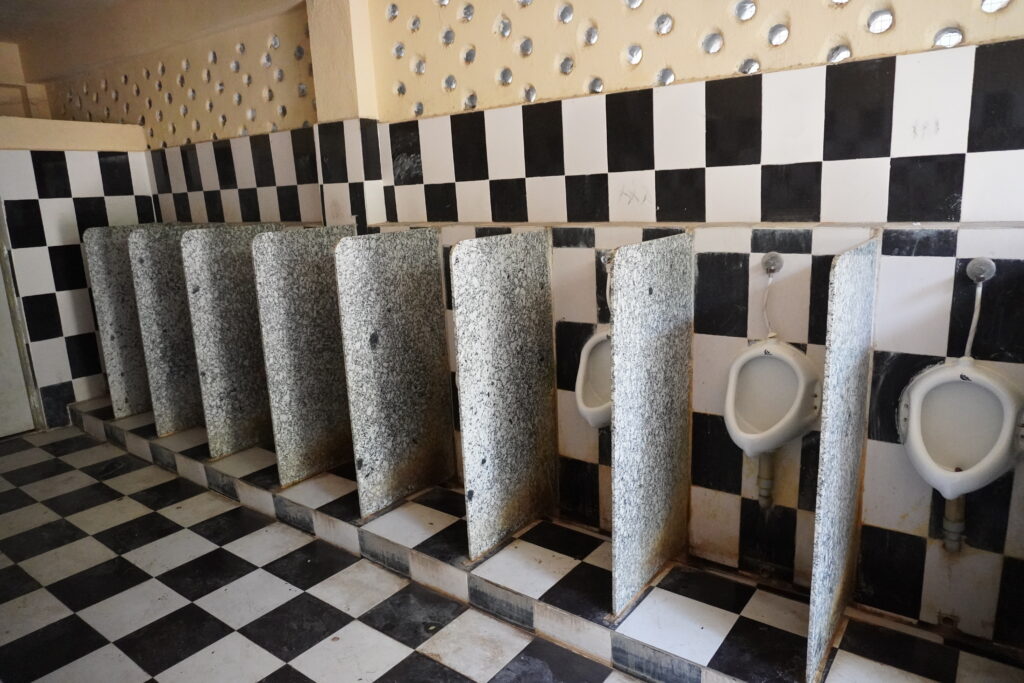
Some schools have improved. At one in Gachibowli, Reddy said, a cleaner has been appointed, the toilets were renovated over the past year and other facilities added.
“But what’s the point if there is always a bunch of hurdles we have to cross before we can even get started with teaching students? Protests have amounted to nothing so far. Empty promises are very different from action, and we have to keep fighting until we are finally compensated fairly.”
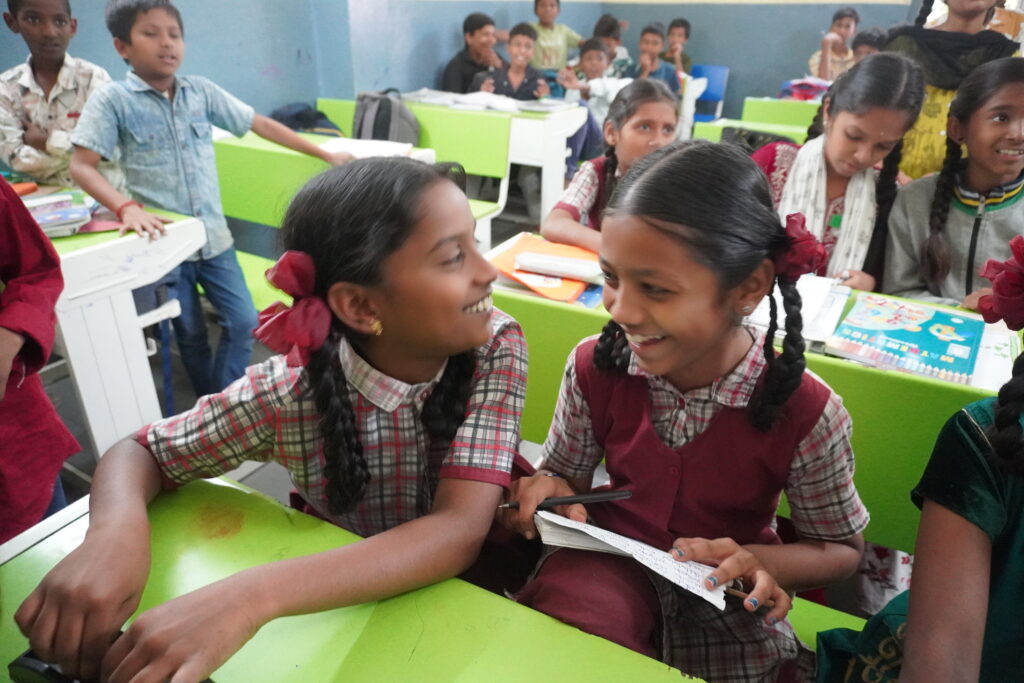
(Names of some government teachers have been changed upon request for fear of repercussion)
Get the latest updates in Hyderabad City News, Technology, Entertainment, Sports, Politics and Top Stories on WhatsApp & Telegram by subscribing to our channels. You can also download our app for Android and iOS.
This content is published by The Siasat Daily and has not been created or edited by Hello Headlines. View original