Supreme Court Refuses To Hear Plea Questioning Land Used For Ram Temple Construction In Ayodhya

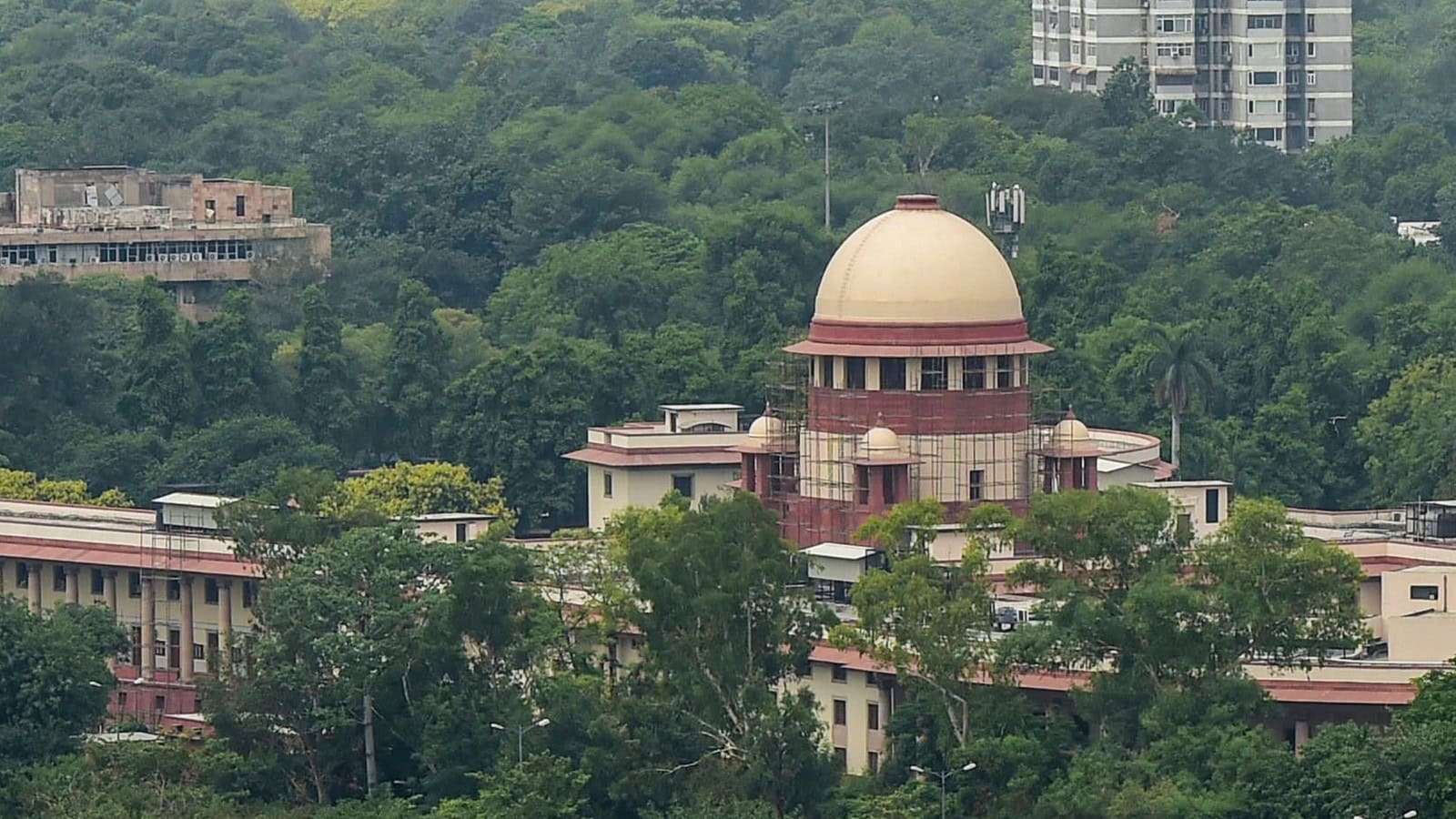
The Supreme Court has declined to entertain a petition questioning whether the Ram Janmabhoomi temple in Ayodhya was constructed on the exact piece of land allocated for it under the court's 2019 verdict.
The petitioner had sought verification of the temple's location by examining land records and other relevant documents. The plea questioned whether the temple had been built on the same land that the Supreme Court had identified in its judgment.
Court Asks Petitioner To Approach Civil Court
The Supreme Court said the petitioner could approach a civil court if he wanted the matter examined on the basis of land records and documentary evidence.
The court observed that a dispute involving the verification of land-related facts and documents could not be directly adjudicated by the Supreme Court. It indicated that filing a civil suit before the appropriate civil court would be the proper legal course for examining the claims.
The petitioner had earlier sought an independent survey to establish the exact boundaries, coordinates, area and location of the land on which the temple has been constructed.
The plea also requested directions to the Centre, concerned authorities and the Shri Ram Janmabhoomi Teerth Kshetra Trust to preserve and produce all original documents, maps, plans and survey records relating to the temple complex.
It further sought appropriate directions if the investigation found any significant discrepancy between the land identified in the 2019 judgment and the site where the temple was constructed.
Supreme Court Judgment In The Ayodhya Dispute In 2019
On November 9, 2019, a five-judge Constitution Bench of the Supreme Court delivered its landmark verdict in the Ayodhya title dispute.
The court awarded the disputed 2.77-acre land to Ram Lalla and directed the Centre to allot five acres of alternative land in Ayodhya to the Sunni Waqf Board for the construction of a mosque.
Following the verdict, a trust was formed to oversee the construction of the Ram temple, clearing the way for its development at the disputed site.
The petition also raised concerns over transparency in donations and offerings received at the temple. It sought the creation of digital records of daily donations, offerings and receipts, with the information made publicly accessible.
The petitioner also called for an annual audit of the temple's accounts by the Comptroller and Auditor General (CAG).
Additionally, the plea sought directions for developing necessary facilities for devotees visiting Ayodhya from across India and abroad.
This content is published by ABP Live - India and has not been created or edited by Hello Headlines. View original