How the open-source route helped Uzair Ali land global roles
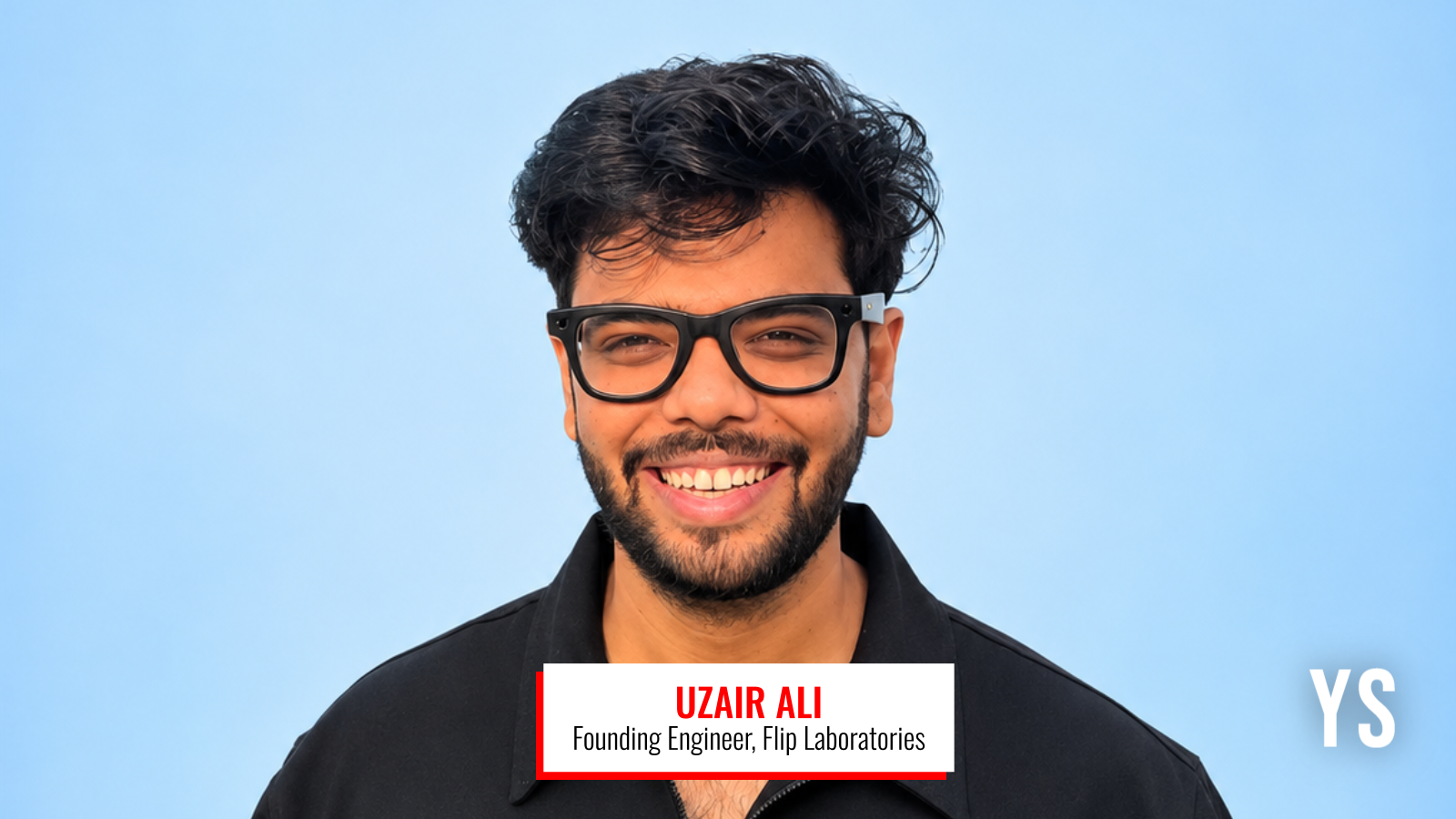
Indian engineers no longer have to relocate abroad or go through several rounds of resume screening and interviews to bag global roles. Increasingly, open-source public code is paving the way for that.
Public code is a record anyone can read and inspect, and hiring teams are actively using it to assess one's real-world engineering skills. It includes open-source contributions, public repositories (like GitHub), and code samples that hiring managers can evaluate.
This is how Uzair Ali landed internships at various global companies and eventually became a founding engineer at a US-based fintech startup.
As a college student at the Kalinga Institute of Industrial Technology in Bhubaneswar, Ali was building a tool to monitor server logs. He shared his repository of work in open source on X, which caught the attention of the CTO of Dukaan, an Indian mobile-first, do-it-yourself ecommerce platform, leading to an interview at the firm.
Ali joined Dukaan as a backend intern in January 2022 in Bengaluru.
This was an early lesson in the value of making his work visible to the world. It helped his project reach someone who might otherwise have not seen his resume.
Ali's career path did not follow a straight line through a typical hiring funnel at big tech companies.
After a stint at Dukaan, he interned at HackerRank and FamPay while still being in university. After graduating, he joined Civo, a London-based cloud infrastructure provider.
Twenty-four-year-old Ali is now an engineer at Flip Laboratories, a San Francisco-based fintech startup. He works from India.
In an interaction with YourStory, Ali says all his career moves from being a backend engineer to AI work and now to being part of the founding team at Flip are largely thanks to his open-source contributions.
Ali reasons that open-source code helps software maintainers see how people works over months, while the reviews show how they handle feedback.
Now anyone with an internet connection can pick a project, fix what is broken, and receive feedback and reviews. Over time, this history builds a credible repository of one's work in a way a resume cannot, says the techie.
Ali's GitHub profile has a number of pull requests merged in various open source projects such as LiteLLM, a widely used open-source LLM gateway.
A pull request is a request from others to merge a code into their projects, and this is reveiwed jointly by those who create the code and those who would like to integrate it.
Ali's most visible work is on Agno, an open-source framework for building AI agents. It has more than 42,000 stars on GitHub. He also has contributions in major codebases including Terraform, Crossplane, and IntelOwl.
A codebase is a complete compendium of source code, configuration files, and supporting resources used to build, test, and run a software system or application.
Today, Ali is part of the founding team at Flip Laboratories, which has built Flip, a proactive AI agent to manage the finances of Americans. Flip acts like a personal finance assistant operating directly inside users' messaging apps (such as iMessage).
The startup recently raised a $1.4 million pre-seed round from investors including a16z speedrun, Pear VC, The House Fund, and Cory Levy.
For Ali, the thread connecting all his experiences—as a student developer, an intern building cloud tools and an AI framework, and as a founding engineer at a startup—is work that other people can see.
Open source was not a shortcut to an interview or a job; it was a proactive way to make his learning and work visible beyond his college, city, and country.
Edited by Swetha Kannan
This content is published by YourStory and has not been created or edited by Hello Headlines. View original