Pet First | Cat Under Anaesthesia? Warning Signs, Recovery Tips And Risks Every Pet Parent Should Know
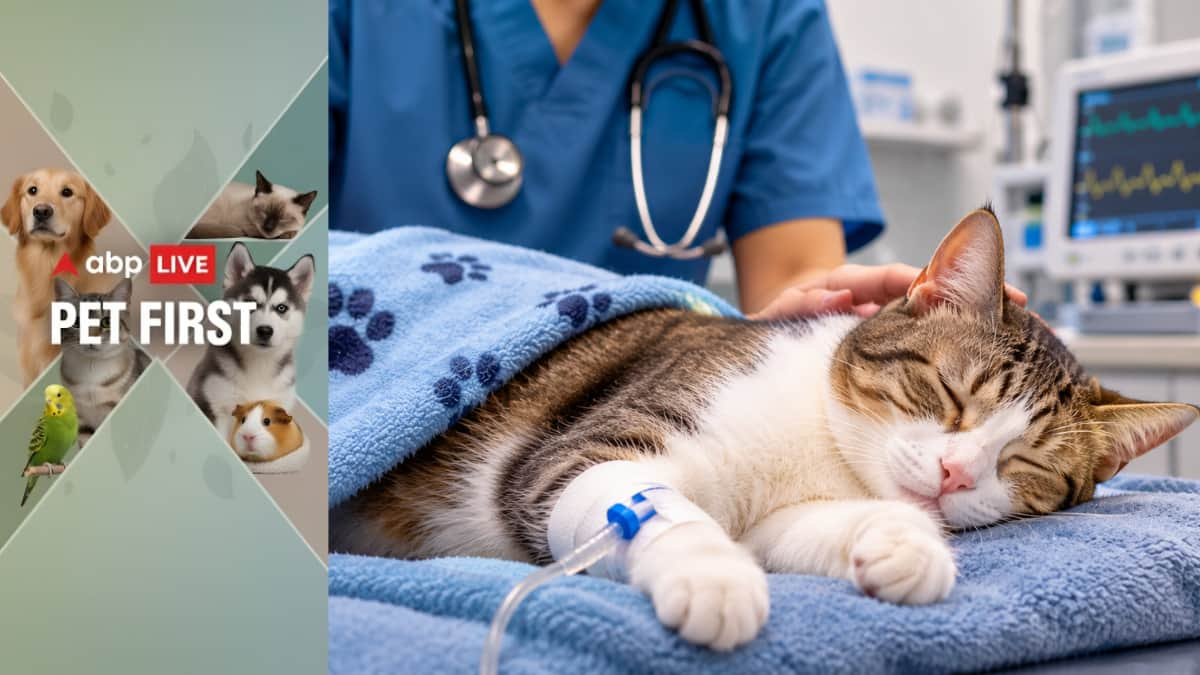
When a cat needs surgery, dental treatment, or certain diagnostic tests, a veterinarian may recommend anaesthesia or sedation. For pet parents, the thought of their cat being unconscious can be worrying, particularly when they are unsure about the risks and recovery process. However, these medications help vets carry out procedures while keeping animals comfortable and reducing stress. The approach depends on the cat’s age, health and the procedure involved. Understanding how anaesthesia works, what complications may occur and how to care for your cat afterwards can help you prepare for treatment and recognise when your pet needs veterinary attention.
Cat Anaesthesia And Sedation: What Is The Difference?
Anaesthesia refers to medication-induced loss of sensation, while general anaesthesia produces a controlled loss of consciousness. It is commonly used for operations, including spaying and neutering, and dental procedures that may otherwise cause pain or distress.
Michelle Moyal, DVM, a member of the Daily Paws Editorial Review Team, explains that the anaesthetic plan should be tailored to each cat. Vets may recommend blood tests before treatment to assess organ function and identify potential risks.
Moyal says, "The medications used for anesthesia rely on properly functioning organs like the liver and kidneys." She adds, "While [lab work] does not tell us everything going on inside the body, it is the easiest option to help us try to ensure as safe a procedure as possible."
ALSO READ | Pet First | 5 Ways To Keep Your Dogs And Cats Stress-Free During Diwali Fireworks
General And Local Anaesthesia
- General anaesthesia: Medications bring about unconsciousness and help control pain and movement during surgery. Veterinary staff monitor the cat throughout the procedure.
- Local anaesthesia: A numbing medicine blocks sensation in a specific area. It may be used for minor procedures or alongside general anaesthesia to reduce discomfort and medication requirements.
How Sedation Differs
Sedation reduces alertness and awareness but does not necessarily make an animal fully unconscious. It may be used for short diagnostic procedures, such as X-rays or ultrasound scans, when a cat needs to remain still. Sedatives can also help reduce anxiety during stressful situations.
ALSO READ | Pet First | Feline Leukaemia in Cats: Symptoms, Transmission, Treatment and Prevention Explained
Cat Anaesthesia Risks And Possible Side Effects
Anaesthesia is commonly used in veterinary medicine, but it is not completely risk-free. According to Moyal, cats can be challenging to intubate, which involves placing a breathing tube into the airway. Attempts to insert the tube may sometimes cause airway trauma.
Other possible complications include:
- Breathing difficulties: Slow breathing or reduced oxygen levels may occur.
- Circulation problems: Low blood pressure or an abnormal heart rhythm may develop.
- Low body temperature: Cats can become cold during procedures, particularly smaller animals.
- Nausea and aspiration: Vomiting may occur, and stomach contents can enter the lungs.
- Serious complications: In uncommon cases, organ damage or failure, seizures and visual problems may occur.
The risk can be higher in cats with existing illnesses or certain age- and weight-related concerns. Older cats and those who are overweight or in poor health may need additional precautions.
Vets may recommend withholding food before anaesthesia to reduce the risk of vomiting and aspiration. However, fasting requirements vary according to the cat and procedure, so always follow the veterinary team's specific instructions rather than assuming that a 12-hour fast is appropriate for every cat.
Cat Anaesthesia Recovery: How To Care For Your Pet
After treatment, cats may be sleepy, withdrawn, restless or more vocal than usual. Some may also take time to regain their normal appetite and behaviour. Mild drowsiness can occur during recovery, but your vet should explain what is expected for your cat.
Follow these practical steps at home:
- Prepare a quiet space: Keep your cat in a warm, comfortable room with dim lighting and limited disturbances.
- Prevent falls: Keep your pet away from stairs, furniture heights and other places where poor coordination could cause injury.
- Follow medication instructions: Give prescribed pain relief or other medicines exactly as directed.
- Protect the surgical site: Use a cone or recovery collar if recommended to prevent licking or scratching.
- Offer food as advised: Follow your vet's instructions on when and how much to feed your cat.
- Limit activity: Keep your cat away from children and other pets if it needs extra rest.
Contact your vet if your cat's recovery seems unusually slow or it is not returning to normal within the timeframe provided. Seek urgent veterinary help for difficulty breathing, collapse, seizures, persistent vomiting or an inability to wake your cat normally.
Anaesthesia and sedation allow vets to perform necessary procedures while managing pain, awareness and movement. Before treatment, discuss your cat's medical history, pre-anaesthetic tests and monitoring arrangements with your vet. Careful preparation and close observation afterwards can help make recovery safer and more comfortable.
[Disclaimer: The information provided in this article is intended for general informational purposes only. It is not a substitute for professional veterinary advice, diagnosis, or treatment. Always consult a qualified veterinarian regarding your pet’s health, diet, or any medical concerns.]
This content is published by ABP Live - Lifestyle and has not been created or edited by Hello Headlines. View original