
Wednesday, 4 November 2026LatestVideosAboutContact
Latest
Tijuana River pollution doesn't stay put—it can travel seven times farther than expectedNew framework helps turn biodiversity goals into measurable actionCooking is a bigger source of harmful air particles than vehicle exhausts in London and BeijingBody size, not competition, may kick-start evolutionTalk of the town: Virtual world gets stroke survivors talkingScarcer food may have pushed early humans to rework stone tools for longer useCanva is announcing changes and layoffs affecting 22 percent of its staffWhen should we listen for alien signals? Scientists turn to game theoryStone Age hunters in northern Europe may have used poison arrows to hunt big preyHow humans influence fish behavior and why this is important for species conservationLokayukta Installs 30 Complaint Boards Across Eight Districts, Urges Citizens To Report Corrupt Officials In Indore RegionThieves Break Into AIIMS Employee’s Locked House, Steal Jewellery And Cash; Six Two-Wheelers Stolen Across Bhopal
ScienceUpdated 3 hrs ago

Ancient star collisions could explain mysterious Little Red Dots and 'impossible' black holes
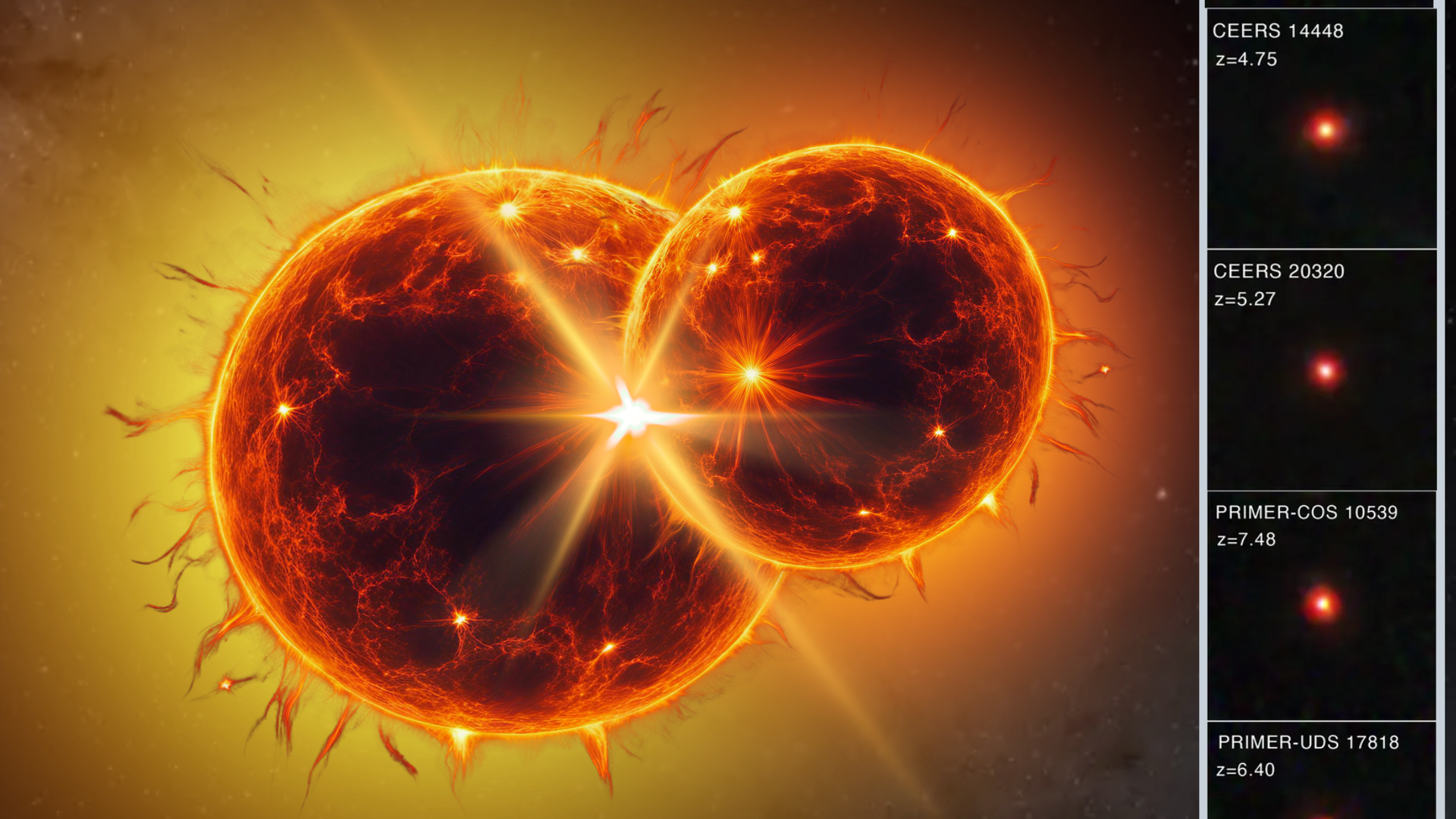
Image: Space.com

Collisions between stars in the early universe were common, and this could explain the growth of supermassive black holes and the existence of strange Little Red Dots seen by the James Webb Space Telescope.

Continue reading on Space.com

Hello Headlines links you to the original publisher for the full story.

Read full story

More in Science

See all