Hungary Opens Communist-Era Secret Police Files, Makes 60,000 Names Public
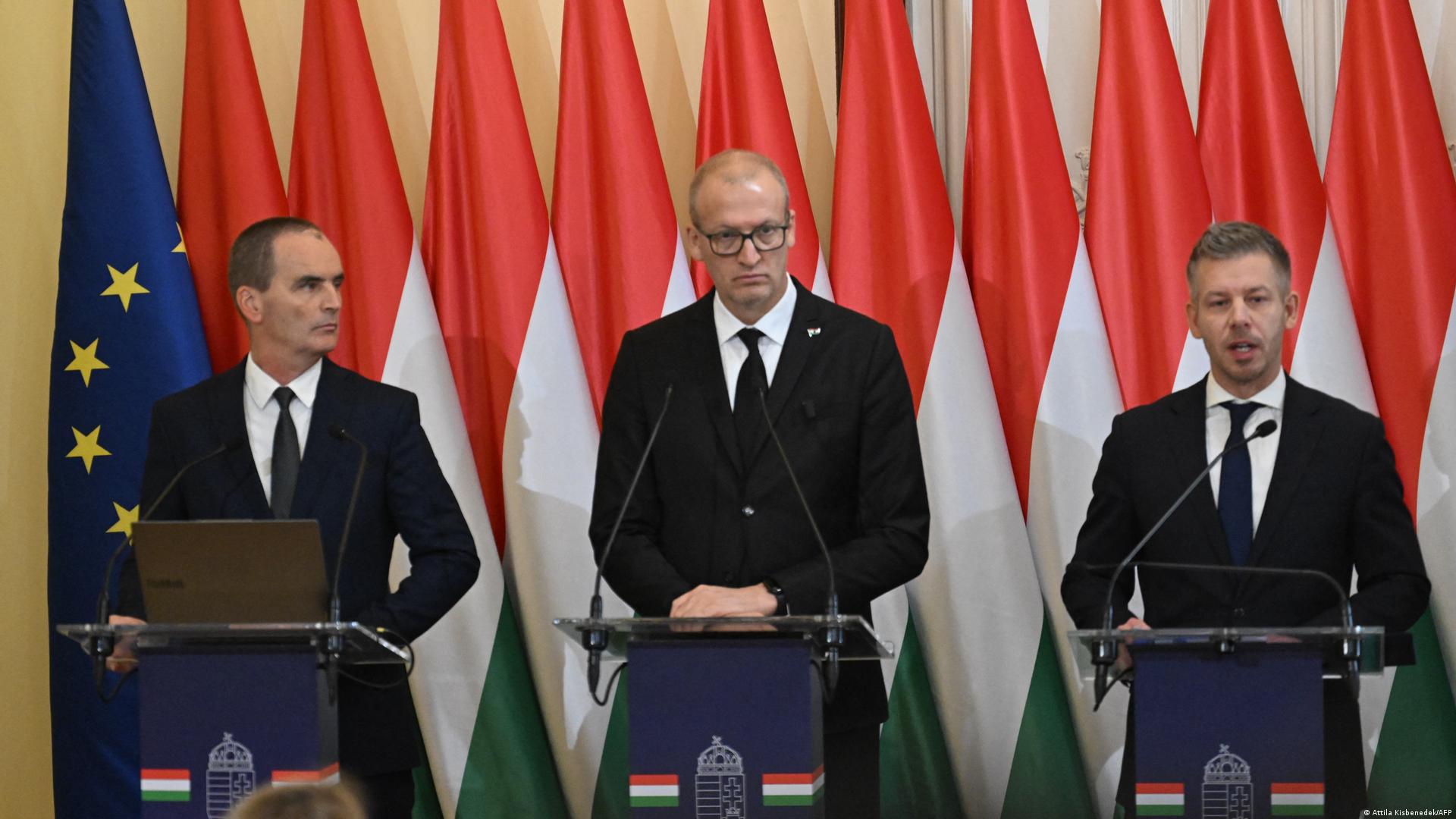
Hungary released thousands of communist-era secret police records to the public on Wednesday as part of the country's long-delayed effort to come to terms with its repressive past.
The archives, which are now part of a searchable online database, include the names of thousands of former informants who worked for the state security apparatus during four decades of one-party rule.
Although communism ended in Hungary in 1989, attempts to open the files had been repeatedly stalled. Some critics blamed the delay on successive governments' reluctance to implicate public figures.
Historic move 36 years after transition to democracy
Center-right Prime Minister Peter Magyar, who unseated longtime populist leader Viktor Orban in April, had pledged to grant the public unrestricted access to the records.
"After 36 years, we are finally fulfilling what was once one of the key promises of the 1990 regime change — a promise that was later denied and lied about," Magyar told a media briefing at the state security archives on Wednesday.
He said some 60,000 names had been made public in the new online database. A second batch of files is expected to be made available by February.
"I ask everyone to treat this long overdue publication of documents with dignity and humanity ... as many families will now face difficult information often related to a deceased member of their family," Magyar said. "It is impossible to process a trauma without discussion and asking questions."
Coming to terms with totalitarian past
Hungary was under one-party communist rule from 1949 to 1989.
As was the case in a number of Eastern European countries during the Cold War, secret police in Hungary relied on a vast network of informants to monitor citizens. These informants were often coerced into reporting on colleagues, friends and even relatives.
According to estimates from the state security archives, authorities recruited some 150,000 informants, although records for about two-thirds of them no longer exist.
Many files were destroyed in 1956 during Hungary's anti-Soviet uprising, or hidden during the transition to democracy. Some are believed to have been taken to Moscow.
'Better late than never'
Historian Laszlo Eorsi from the 1956 Institute Foundation told the AFP news agency that the move to make the files public was "better late than never."
"We are getting access to much more information than before about who the authorities have recruited and how the security apparatus worked back then," he said.
He predicted the release would trigger public and private revelations, saying it "could cause some hysteria in the coming months."
Ahead of the publication, rumors had circulated that Former Prime Minister Orban was an informant, but his name did not appear in the digital database on Wednesday.
Orban said on Tuesday that communist secret services had tried to recruit him while he was doing his military service, but he refused.
(Disclaimer: This report first appeared on Deutsche Welle, and has been republished on ABP Live as part of a special arrangement. Apart from the headline, no changes have been made in the report by ABP Live.)
This content is published by ABP Live - World and has not been created or edited by Hello Headlines. View original