How Bariflo uses AI to help factories treat wastewater
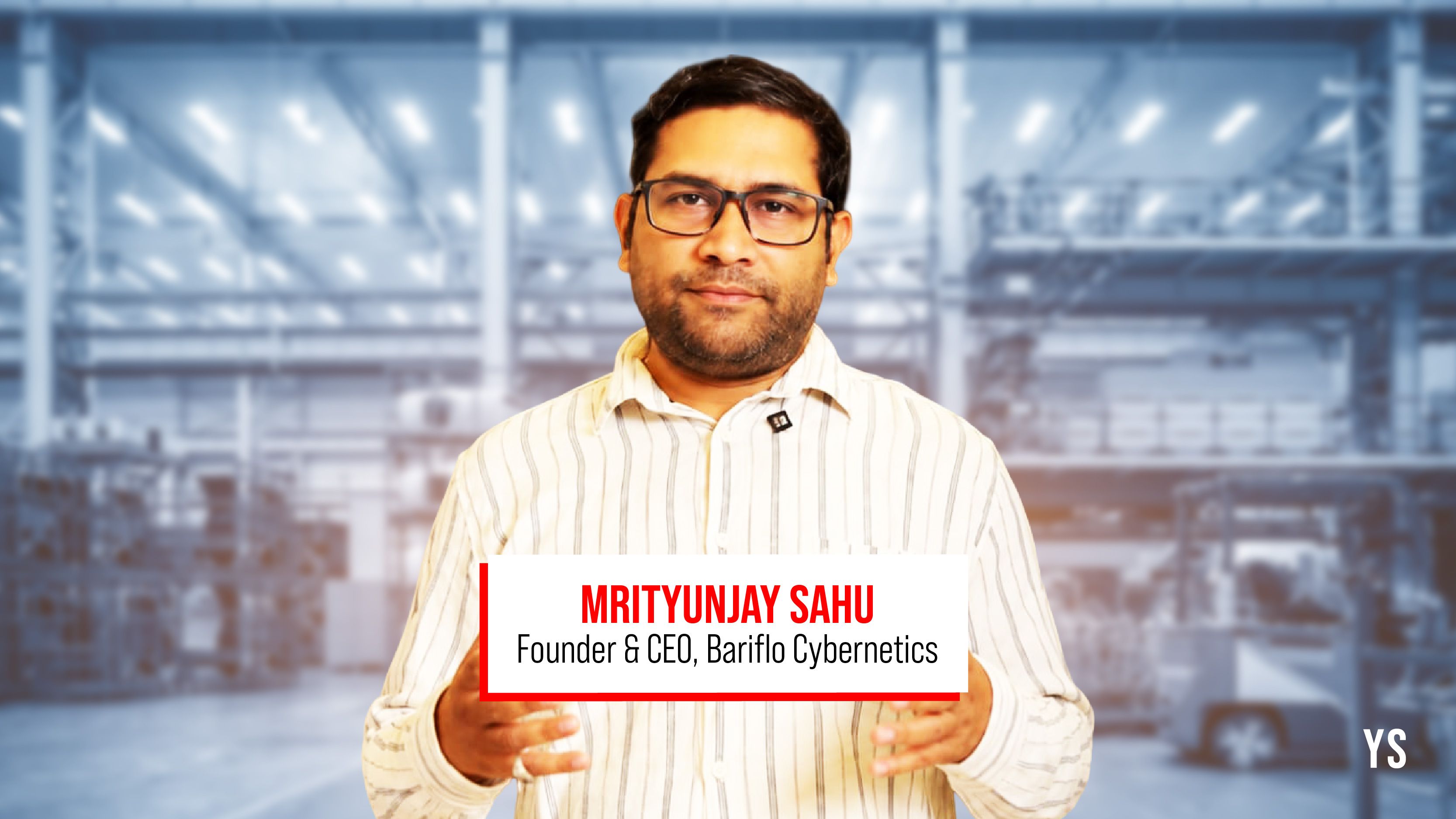
Bariflo Cybernetics wants factories to get more use out of their wastewater treatment plants. The Odisha-based startup combines sensors, AI software and automation to adjust treatment processes, aiming to reduce the energy and chemicals needed to clean water for reuse. It has secured Rs 2 crore in milestone-linked funding from energy innovation platform MC² Plus, an initiative led by the Ministry of Petroleum & Natural Gas, and is preparing for a pilot with Bharat Petroleum Corporation Limited (BPCL), according to founder and CEO Mrityunjay Sahu. The funding comes as Bariflo moves from developing and testing its technology towards commercial deployments. That means persuading industrial customers to invest in upgrades that promise lower operating costs.
From waterbodies to industrial plants
Founded in 2018, Bariflo initially focused on monitoring and cleaning municipal waterbodies. It subsequently explored aquaculture, including shrimp and fish farming, before concentrating on industrial wastewater treatment and reuse. Sahu says difficulties in accessing freshwater and groundwater are pushing industries to use water more carefully and recycle more of it. Bariflo is targeting that need by upgrading existing effluent treatment plants, or ETPs, rather than asking customers to build new ones. “We are addressing this need by making existing treatment infrastructure smarter and more efficient,” he says.
Citing Frost & Sullivan research, Bariflo puts India’s industrial water and wastewater infrastructure market at $2.87 billion in 2024, projected to reach $4.65 billion by 2030 at a compound annual growth rate of 8.3%. The estimate covers water treatment, wastewater treatment and zero- and minimal-liquid-discharge solutions across manufacturing, power generation and refineries, making it broader than Bariflo’s specific offering. Bariflo identifies Ion Exchange and VA Tech WABAG as indirect competitors. Ion Exchange’s IonSite Digital Twin uses AI and wastewater modelling to identify savings and guide plant operations, while VA Tech WABAG has demonstrated AI applications in water treatment.
What the technology does
Bariflo’s proprietary IoT sensors monitor wastewater parameters such as pH, total dissolved solids and flow. Its AI models use the readings to determine chemical dosage and treatment processes at different stages, according to Sahu. This automates some decisions that operators would otherwise make manually and helps the plant respond as the characteristics of incoming wastewater change. Sahu says the technology has demonstrated the potential to reduce energy consumption by approximately 25% and improve the efficiency of chemical use.
Installation costs depend on the size and configuration of the existing plant. For a large refinery, a complete automation setup would typically cost approximately Rs 1–2 crore, Sahu says. How quickly customers recover that investment depends on plant capacity, current operating costs and the savings achieved. Bariflo charges an upfront deployment fee followed by a monthly fee for its technology and services. The company generated approximately Rs 1.2 crore in revenue in 2025-26, according to Sahu.
Getting customers to buy
Bariflo has conducted pilots with Indian Oil Corporation’s R&D centre in Faridabad, Sahu says. Its planned BPCL pilot will test treatment efficiency, energy consumption and chemical use in an industrial setting. “We hope successful validation will pave the way for a commercial work order,” he says.
That step can take time. Selling to large industrial organisations and public sector undertakings involves working with R&D teams and several other decision-makers, with lengthy evaluations before a purchase. “The biggest challenge has been navigating the adoption process within large industrial organisations and PSU ecosystems,” Sahu says. Bariflo’s case to customers rests on combining sensors, software and automation in a system that works with their existing plants. The company says it has filed 42 patent applications, of which 32 have been granted.
Paying for the next stage
Bariflo applied to MC² Plus after learning about the programme through a public announcement. Its Rs 2 crore funding is linked to agreed milestones, with disbursements structured around their completion, Sahu says. MC² Plus brings together HPCL, ONGC, Indian Oil, BPCL, GAIL, Oil India and Petronet LNG. It offers energy ventures funding, research facilities, mentorship and access to industrial pilot sites.
Before this funding, Bariflo had raised close to $1 million through grants, equity and debt, Sahu says. The new money will help it run upcoming pilots and install its technology at more industrial sites. “Our immediate priority is to accelerate commercialisation and establish a scalable business,” he says.
This content is published by YourStory and has not been created or edited by Hello Headlines. View original