Centre Weighs Withdrawing Safe Harbour For Meta, Google, X: Report
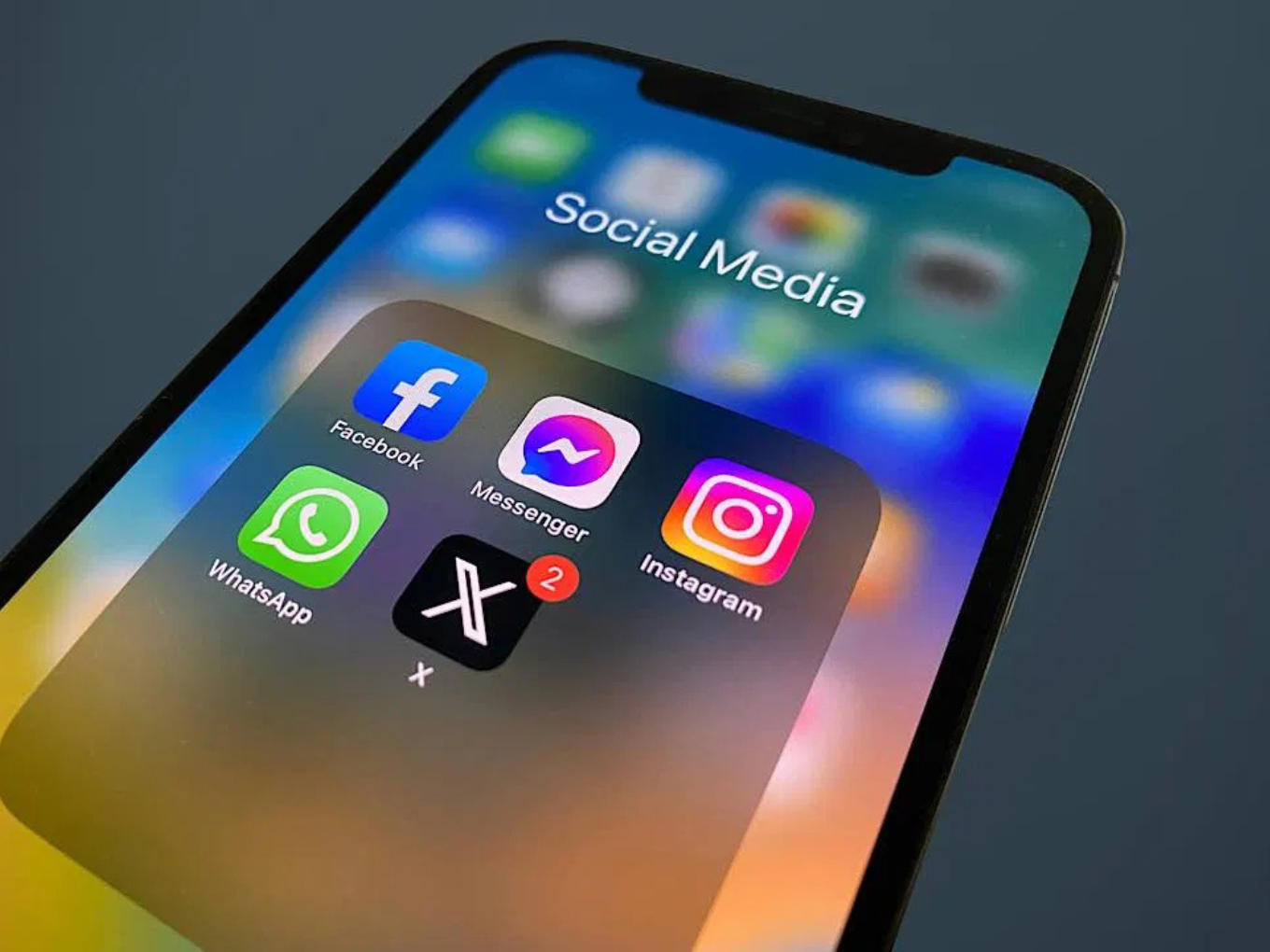
The Centre is exploring withdrawing safe harbour protection from social media platforms such as Facebook, Instagram, YouTube, and X, potentially exposing them to legal liability for content posted by their users.
The Ministry of Electronics and Information Technology (MeitY) has begun discussions on whether these platforms should continue to enjoy protection under Section 79 of the Information Technology (IT) Act, 2000, The Indian Express reported.
The government is examining whether the protection should be restricted to services that merely transmit information, including internet service providers (ISPs), telecom service providers (TSPs), and peer-to-peer messaging platforms.
However, discussions remain exploratory, and no final decision has been taken. Withdrawing the protection from social media platforms would likely require amendments to the IT Act and parliamentary approval, the report said.
Algorithms Under Scrutiny
The move comes amid growing scrutiny of social media platforms over harmful content, child safety and the role of recommendation algorithms in determining what users see online.
Meanwhile, the Supreme Court has sought responses from the Centre and Meta on a PIL seeking a regulatory framework to protect children from algorithmic addiction and online harms.
The petition, filed by Sreerupa Chowdhury, alleged that platforms such as Facebook, Instagram and WhatsApp use features such as infinite scrolling, autoplay videos and push notifications to encourage compulsive use.
It also raised concerns over inadequate age-verification mechanisms, online grooming and the circulation of child sexual abuse material (CSAM).
The SC separately questioned whether existing legal protections are adequate to address the circulation of child sexual exploitation and abuse material on social media platforms.
In its October 15 order in the Just Rights for Children Alliance vs S Harish case, the SC called for a separate framework of penalties, including monetary fines, for social media companies that fail to comply with the law. It said the withdrawal of safe harbour should be reserved for serious violations.
Safe harbour protects internet intermediaries from being held liable for content posted by their users, subject to certain conditions. This has allowed social media platforms to host user-generated content without being legally responsible for every post, video or comment.
However, the government is questioning whether platforms can still be considered passive intermediaries when their algorithms decide what content users see and how widely it is circulated.
The discussions have also been shaped by concerns over the role of social media in public discourse, including during the students’ protests in July, when Instagram became a key platform for mobilising support.
Relations between the government and social media companies have come under further strain in recent months. In July, the IT Ministry summoned Meta’s global policy executives after Facebook briefly withheld a video uploaded by Prime Minister Narendra Modi during the protests. The Centre has also raised concerns over deepfakes and compliance with Indian laws.
The latest discussions follow reports in September that Meta could lose its intermediary status in India, potentially affecting the safe harbour protection available to Facebook, Instagram and WhatsApp.
The Parliamentary Standing Committee on Communications and Information Technology has also called for stronger action against social media companies. Any move to withdraw safe harbour protection, however, is likely to face opposition from the technology industry and civil society organisations.
The post Centre Weighs Withdrawing Safe Harbour For Meta, Google, X: Report appeared first on Inc42 Media.
This content is published by Inc42 and has not been created or edited by Hello Headlines. View original