Pet First | Can Firecracker Residue Harm Your Dog's Paws? 6 Safety Tips To Follow
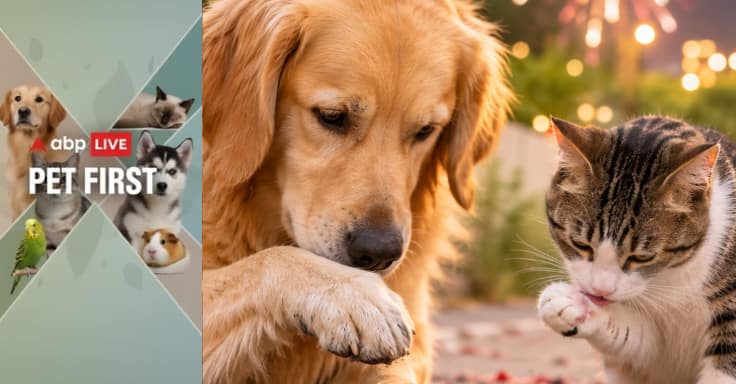
Diwali celebrations often leave behind firecracker debris, ash and chemical residue on roads, footpaths and other outdoor surfaces. While these remnants may appear harmless after the festivities, they can pose potential risks to pets, particularly dogs and cats that walk over them or lick their paws during grooming. Pet parents should take extra precautions to protect their furry companions from accidental exposure.
How Can Firecracker Residue Harm Your Pet's Paws?
Firecracker residue may contain chemicals, burnt paper, metallic particles and other irritants that can affect your pet's sensitive paw pads. Walking over contaminated surfaces may cause irritation, redness, discomfort or, in certain cases, chemical burns.
Pets may also ingest harmful substances when they lick their paws after coming into contact with firecracker debris. This can potentially lead to gastrointestinal irritation or poisoning, depending on the chemicals involved and the amount ingested. Sharp fragments of crackers can also cause cuts, punctures or injuries to the paw pads.
ALSO READ | Pet First | Feline Leukaemia in Cats: Symptoms, Transmission, Treatment and Prevention Explained
6 Precautions To Protect Your Pet's Paws From Firecracker Residue
1. Avoid Walking On Areas With Firecracker Debris
Choose clean, familiar walking routes for your pets, especially after Diwali celebrations. Avoid roads, parks and footpaths covered with burnt crackers, ash or unexploded fireworks. Even seemingly harmless residue can contain irritants or sharp particles that may injure their paws.
2. Clean Your Pet's Paws After Every Walk
Wipe your pet's paws with a clean, damp cloth or pet-safe paw wipes after returning home. Pay attention to the spaces between the toes, paw pads and areas around the nails, where dust and residue may accumulate.
If the paws appear visibly contaminated, gently rinse them with lukewarm water. Avoid using harsh soaps, alcohol-based products or household cleaning chemicals, as these may worsen irritation.
3. Use Protective Paw Boots When Necessary
Pet-friendly protective boots can help minimise direct contact with potentially harmful surfaces during outdoor walks. Ensure that the footwear fits comfortably and does not restrict movement.
However, paw boots are not a substitute for avoiding contaminated areas, particularly where sharp firecracker fragments or unexploded crackers may be present.
4. Check For Cuts, Redness And Irritation
Examine your pet's paws regularly, especially after outdoor walks during the festive season. Look for redness, swelling, cuts, blisters, unusual discolouration or signs of discomfort.
If your pet repeatedly licks its paws, limps or refuses to walk, it may indicate irritation or an injury that requires attention.
5. Prevent Your Pet From Licking Contaminated Paws
Pets naturally groom themselves by licking their paws, which can increase the risk of ingesting firecracker residue. Clean their paws thoroughly before allowing them to resume normal grooming.
If you suspect chemical contamination, prevent further licking and contact a veterinarian for appropriate guidance. Do not induce vomiting or apply home remedies without professional advice.
6. Seek Veterinary Help If You Notice Warning Signs
If your pet develops persistent redness, swelling, pain, burns, vomiting, excessive drooling or unusual behaviour after exposure to firecracker residue, consult a veterinarian immediately.
For suspected chemical exposure, rinse the affected paws with plenty of lukewarm water, provided it is safe to do so, and seek veterinary assistance promptly. Do not delay treatment if your pet shows signs of severe discomfort or possible poisoning.
ALSO READ | Pet First | Feline Calicivirus In Cats: 7 Warning Signs Every Cat Parent Should Watch For
Keeping Your Pet Safe After Diwali
Protecting pets from firecracker residue requires awareness, regular paw cleaning and careful supervision during outdoor walks. By choosing cleaner walking routes and checking their paws after every outing, pet parents can reduce the risk of injuries, irritation and accidental ingestion of harmful substances.
A little extra care after the festive celebrations can help ensure that your furry companions remain comfortable, healthy and safe.
[Disclaimer: The information provided in this article is intended for general informational purposes only. It is not a substitute for professional veterinary advice, diagnosis, or treatment. Always consult a qualified veterinarian regarding your pet’s health, diet, or any medical concerns.]
This content is published by ABP Live - Lifestyle and has not been created or edited by Hello Headlines. View original