'Vibe Has No Language': Nepali Rapper ST Man On Collaborating With Roj Moktan And Taking Nepali Hip-Hop Global
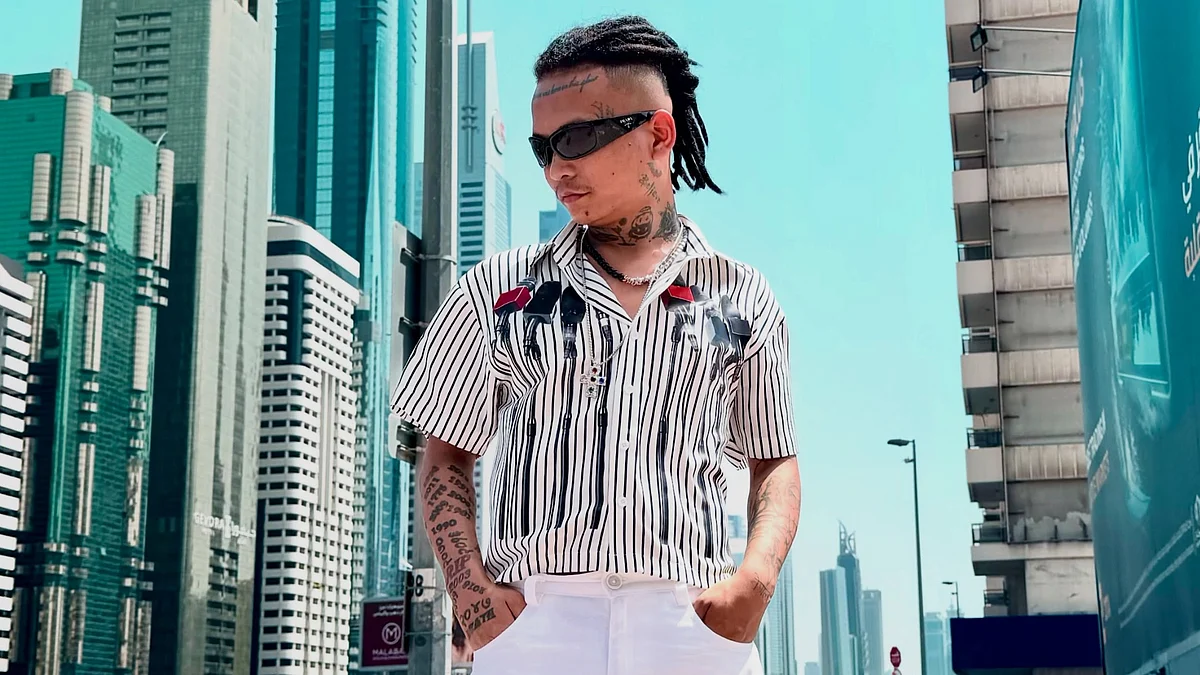
In an era where hip-hop is obsessed with what’s next, Nepali rapper ST Man decided to look back. His new single Y2K is not a throwback gimmick but a reimagining — a track that takes the catchy melodies he grew up on in the 2000s and rebuilds them for 2026. Teaming up with legendary Nepali vocalist Roj Moktan, ST Man is betting on a simple idea: vibe transcends language. As he eyes a bigger South Asian footprint, the rapper talks about evolution, industry barriers, and his long-gestating personal project, Naked.
Excerpts from the interview:
Y2K is such a specific cultural moment. Why revisit the 2000s right now?
The Y2K era is very close to me because I was young when so many iconic songs from that period were coming out. I grew up listening to those catchy melodies and sounds, and they stayed with me. I wanted to dive back into that era and bring that feeling into 2026, but in my own way. For me, Y2K is not just nostalgia. It is a way of connecting something I grew up with to the sound and energy of today.
The track feels nostalgic but not like a recreation. How did you and Roj Moktan crack that?
Initially, I was thinking about remixing one of Roj Moktan’s original songs. But later, Roj suggested it would be better if we created a completely new composition while keeping the melody and feel inspired by the 2000s. I told him about my vision and he loved the idea. From there, we built something new instead of simply recreating the past. That balance came naturally because the concept was rooted in nostalgia, but the execution was very much ST Man.
Roj brings a very different energy. What did he add that you couldn’t?
Roj Moktan is a legendary artist from Nepal, and he has a very unique vocal texture. His voice carries a certain emotion and nostalgia that is difficult to recreate. That was exactly what the song needed. I brought the concept and the new-generation energy, while Roj brought his experience, identity and that iconic vocal character. His presence made the song much more beautiful and gave the Y2K concept an authentic connection to that era.
You talk about a sound that travels beyond Nepal. Were you thinking of India and South Asia while writing Y2K?
Yes, but I don’t really start with language when I make music. I focus on creating a vibe that people can connect with, regardless of where they are from or what language they speak. Language comes second for me. The first thing is the feeling. I believe vibe has no language, and if the music connects, it can travel anywhere.
From your early releases to now, how has your approach changed?
When I started, I was mainly focused on proving myself and expressing what I had inside me. Over time, I became more conscious about the overall song, not just the rap. My flow, wordplay, melodies, production, visuals and even the way I present a song have all evolved together. Earlier, I used to think more like a rapper. Now I think like an artist and a storyteller.
Nepali hip-hop is having a moment, but it’s still fighting for mainstream space in India. What’s the barrier?
Honestly, I don’t see a major barrier. If I can create a song that people across Nepal can enjoy, I believe there is no reason people in India can’t connect with it too. I am selling a vibe, not just a language. I would rather focus on making great music and building my own identity than constantly chasing an industry. I believe if the work is strong enough, the industry will eventually notice.
Dr Vinod Hasal Brings 500-Drum Bhakti Jamming To Mumbai, Where Everyone Is Part Of The BeatYou say you want to create a path for the next generation. What path didn’t exist when you started?
When I started, there were not many examples around me of artists being able to build a sustainable life and make real money from their music. A lot of artists were creating great work but weren’t being paid properly or weren’t able to see music as a long-term career. Now, we are seeing artists from Nepal making money, doing international collaborations, performing bigger shows and living the dream they started with. I want the next generation to see that and believe that music can actually become a career.
Beyond Y2K, what’s next?
I have been working on a song called Naked for almost four years. It is a very personal storytelling project based on my journey and experiences. The song is ready, the concept is ready, and I want to do something really crazy and special for my fans with it. There isn’t a confirmed South Asian collaboration attached to it yet, but I definitely believe those collaborations will happen very soon.
This content is published by Free Press Journal and has not been created or edited by Hello Headlines. View original