Diwali Pollution Chokes Uttar Pradesh As Aligarh AQI Touches 606, Prayagraj Hits 633 And Faizabad Records 781
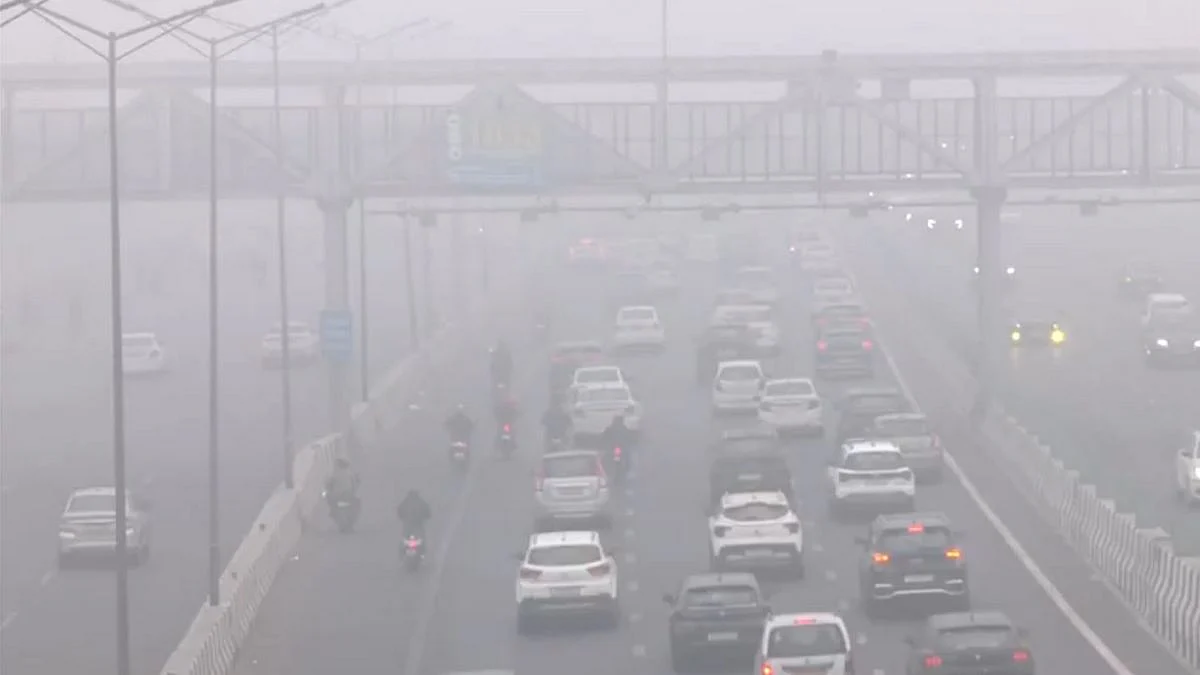
Lucknow: Diwali celebrations left a trail of toxic air across Uttar Pradesh, with several cities recording alarming levels of pollution after hours of fireworks. Aligarh emerged as one of the worst-affected cities, with its Air Quality Index (AQI) touching 606 around 11 pm on Diwali night, putting the air in the hazardous category.
Firecracker Emissions Add To Existing Pollution Levels
The post-Diwali pollution spike was particularly worrying as several parts of the state were already witnessing deteriorating air quality ahead of the festival. Firecracker emissions added to the existing pollution load, pushing concentrations of fine particulate matter and other harmful pollutants to dangerous levels.
The impact was not confined to Aligarh. Meerut, Ghaziabad, Baghpat and Muzaffarnagar also recorded high pollution levels on Monday morning, indicating that the festive emissions had affected a wide stretch of western Uttar Pradesh.
Lucknow AQI Rises To 315, Talkatora Station Records 500
In Lucknow, the deterioration was equally concerning. The city's air quality had already slipped into the poor category before Diwali, with an average AQI of 223 recorded on November 7, according to Central Pollution Control Board (CPCB) data. The situation worsened after the festival. The average AQI rose to 315 on November 8, while the Talkatora monitoring station recorded a reading of 500 on November 9.
The post-Diwali readings from different monitoring platforms painted an alarming picture of pollution across the state. According to AQI.in data reported on Monday, Prayagraj recorded an AQI of 633, Faizabad 781 and Bahraich 575. Other cities reporting readings above 300 included Agra (310), Aligarh (319), Amethi (304), Baghpat (477), Bareilly (312), Badaun (330), Bulandshahr (333) and Etawah (366).
Ghaziabad, Noida And Varanasi Record Very Poor Air Quality
CPCB figures also showed high pollution levels in several cities. Ghaziabad recorded an AQI of 366, Noida 340, Varanasi 302 and Bulandshahr 371. Greater Noida stood at 293, Hapur at 255, Gorakhpur at 261 and Kanpur at 221.
The readings, however, need to be seen in the context of different monitoring platforms and AQI scales. CPCB classifies readings between 401 and 500 as severe, while some private platforms use the hazardous and extreme categories for higher readings. The figures above 500 reported by AQI.in and other platforms are not directly comparable with the official CPCB index.
Doctors Warn Of Respiratory Problems From Toxic Air
Doctors warned that exposure to such high levels of pollution could trigger respiratory problems, particularly among children, elderly people and those suffering from asthma and other lung diseases.
Former Medical Officer of Ram Manohar Lohia Institute of Medical Sciences in Lucknow Dr S K Pandey, said severe air pollution could cause irritation in the respiratory tract, persistent coughing, breathlessness and asthma attacks. People with existing respiratory ailments needed to take extra precautions, he said.
Diwali Brings Good News For Wildlife Lovers As Tigress Siddhi Is Spotted With New Cub At Ranthambore Tiger ReserveThe pollution spike has once again brought the issue of air quality management in Uttar Pradesh into focus. Firecracker emissions have added to the existing pollution caused by vehicular exhaust, construction dust and industrial activity. Falling temperatures and low wind speeds during the winter season further aggravate the situation by preventing pollutants from dispersing.
Experts had warned that fireworks, coupled with vehicular emissions and unfavourable weather conditions, could push pollution levels further up after the festival.
The post-Diwali pollution levels have raised fresh concerns over the effectiveness of measures taken by civic bodies and pollution control authorities to check dust emissions, construction-related pollution and vehicular exhaust. With winter setting in, the challenge for the authorities will be to prevent the pollution spike from turning into a prolonged public health crisis.
This content is published by Free Press Journal and has not been created or edited by Hello Headlines. View original