Doc Talk | Smartwatch Heart Rate Alerts: When Should You Worry And Consult A Doctor?
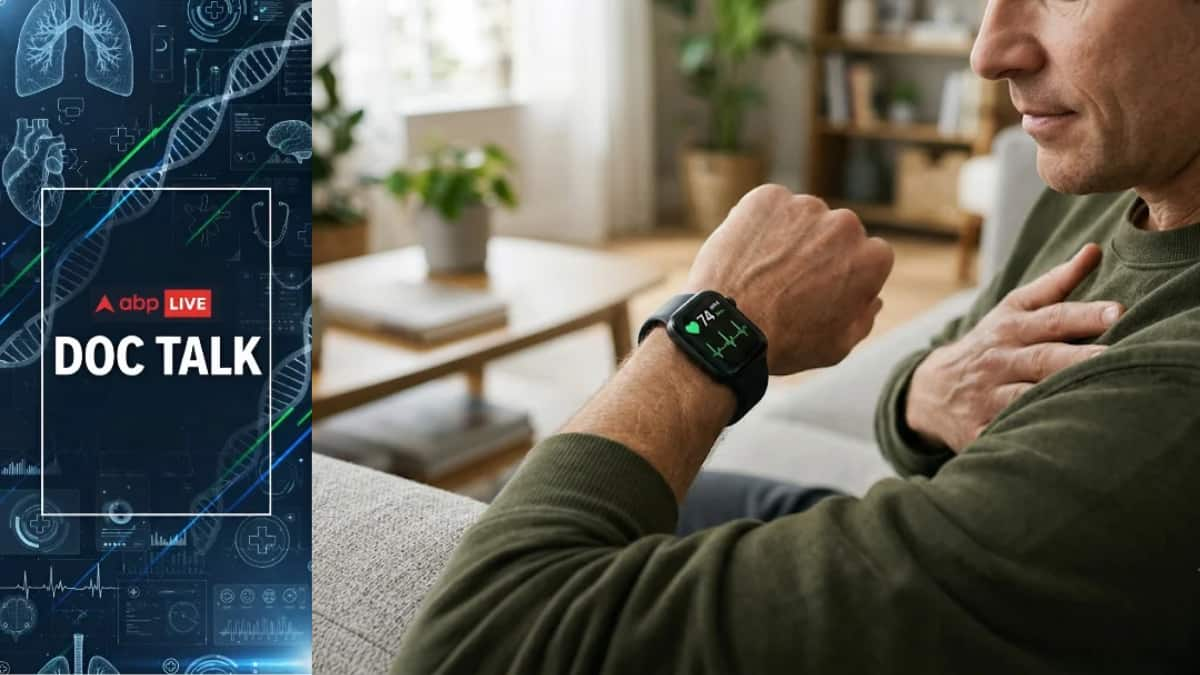
The introduction of smartwatches has made heart rate monitoring a regular occurrence of our lives, as we only have to look at our smartwatch to know our resting heart rate, changes in heart rate due to exercising, heart rate variations during sleep, and even alerts warning us about possible abnormal heartbeat. Unfortunately, the increase in cardiovascular data makes it more difficult to find out the relevance of changes in this data and to determine when it is time to call a doctor. Heart rate is a variable number that signifies the way our heart reacts to the need of our body in terms of workload. Many factors such as physical activity, emotions, dehydration, fever, poor sleeping conditions, use of caffeine and some medical treatments affect heart rate. As a result, sometimes a high reading can be temporary and not necessarily prove anything bad about the condition of heart, and a normal reading does not exclude the possibility of heart problems.
ALSO READ: Doc Talk | How Diwali Air Pollution Affects Your Eyes And Puts Your Vision At Risk
Understanding The Difference Between A Reading And A Pattern
Most smartwatches apply the technology known as photoplethysmography (PPG) to measure changes in blood volume located under the skin and assess the pulse rate using light. Some of them have a feature of the ECG, where a single-lead version is employed to monitor the heart. While these technologies can provide significant insights, they do not deliver the same results as the ECG. A resting heart rate that lies between 60 and 100 is considered normal for adults, however it does not mean that a person satisfies the requirements when it comes to the cardiovascular system. For example, endurance-trained individuals may have lower resting rates without any health problems.
The right question to ask would be whether or not a person’s heart rate is significantly different from its normal baseline. For example, a prolonged increase for a few days might indicate things such as infections, inadequate recovery, dehydration, anaemia, or an underlying cardiac arrhythmia. Looking at weekly patterns, along with symptoms and daily activities gives much better clues than just relying on daily variations.
When An Irregular Heartbeat Alert Deserves Attention
The ability of specific gadgets to detect abnormal pulse rhythms that correspond to atrial fibrillation (AF), a condition characterized by erratic electrical impulses in the heart's upper chambers, represents an important breakthrough in wearable technology. AF is medically relevant as it can raise a person's risk of developing blood clots and having a stroke.
Nevertheless, receiving irregular rhythm alerts does not constitute a diagnosis. Body movements, insufficient contact of the sensor with the skin, and other factors affect the readings, meaning that some rhythm anomalies might remain unnoticed. If someone has multiple alerts, the person must keep ECG records and reach out to the doctor, not trying to understand the results on their own. Clinical validation may take the form of a 12-lead ECG or prolonged monitoring of heart activity with a Holter monitor, depending on the frequency of symptoms and suspected rhythm abnormality.
It is also significant to not ignore any symptoms even when the smartwatch reveals a steady rhythm. The intermittent arrhythmias may not even develop when the device is recording the data. Pain in the chest, fainting, extreme difficulty in breathing or sudden dizziness all need immediate medical care regardless of whether anything is shown by the watch.
ALSO READ: Doc Talk | Can Gut Bacteria Affect Spondyloarthritis? Doctor Explains The Link
Making Smartwatch Data Clinically Useful
The usefulness of wearable monitoring is determined greatly by the methods of recording and processing data. A few simple measures can make it more useful:
- Create Baseline Numbers: Compare resting heart rate figures under similar circumstances as much as possible (for instance, ideally after waking up and before exercise). Also, look for a trend rather than a one-time deviation.
- Document The Context: Specify whether the abnormal reading was recorded during exercise, after taking caffeine, when sick, or after a night of sleep. It helps to tell the difference between physiological reaction and an unusual one.
- Wear The Device Properly: Make sure the watch is placed securely above the wrist bone. Loose wearing and lots of movements will affect sensor readings.
- Know The Meanings Of The Metrics: Heart rate variability (HRV), which accounts for changes in time between heartbeats, is different from heart rate. One night’s low HRV cannot be a proof of any heart disease.
- Present All The Important Data: Bring ECG data, alert history, and notes about symptoms with you to a doctor’s appointment.
Technology Should Support, Not Replace, Clinical Judgement
Smartwatches have the potential to influence individuals to monitor their heart health, deal with changes and engage in better conversations with doctors. The strength of smartwatches lies in their ability to notice certain trends that aren't obvious otherwise rather than in making a diagnosis for each unusual reading. The point is not to reduce cardiovascular health to the heart rate reading received from a smartwatch. Blood pressure, cholesterol level, blood sugar level, genetic history, physical activity, and clinical signs are still important aspects to consider.
Disclaimer: The information provided in the article is shared by experts and is intended for general informational purposes only. It is not a substitute for professional medical advice, diagnosis, or treatment. Always seek the advice of your physician or other qualified healthcare provider with any questions you may have regarding a medical condition.
This content is published by ABP Live - Technology and has not been created or edited by Hello Headlines. View original