T-Hub rolls out red carpet for Israeli firms who fuel Gaza genocide

Hyderabad: On Monday, November 16, T-Hub, the Telangana government’s start-up incubator in Hyderabad, will host a delegation of 20 Israeli technology companies. Local start-ups and enterprises have been invited to meet them and explore collaborations and commercial partnerships. The invitation says little about what these companies do.
Siasat.com went through the delegation’s catalogue, contract announcements, company filings and the Israeli press. At least 11 of the participants have ties to the Israeli military, effectively playing a role in the ongoing genocide in Gaza.
Five of them supply hardware, software or services that Israel’s armed forces have used in the war on Gaza or in the occupation of Palestinian land. One makes attack drones. One descends from the company that built surveillance systems for the West Bank separation barrier and the Gaza perimeter. One makes sensors for Israel’s Merkava tank, while another builds the robots that maintain those tanks. The fifth is an artificial intelligence (AI) firm that works for Israel’s defence and intelligence agencies.
Israel’s war on Gaza began after the Hamas-led attack of October 7, 2023. It has outlasted several ceasefires, including the one declared on October 10, 2025. According to Gaza’s Health Ministry, Israel has killed 75,586 Palestinians, more than 21,000 of them children. Over 1,600 of those deaths came after the latest ceasefire took effect. In September 2025, a United Nations Commission of Inquiry concluded that Israel was committing genocide in Gaza.
A genocide is not carried out by soldiers alone. It needs drones, tanks that keep running, sensors, software and the companies that supply them. A company that sells to that army is part of its war.
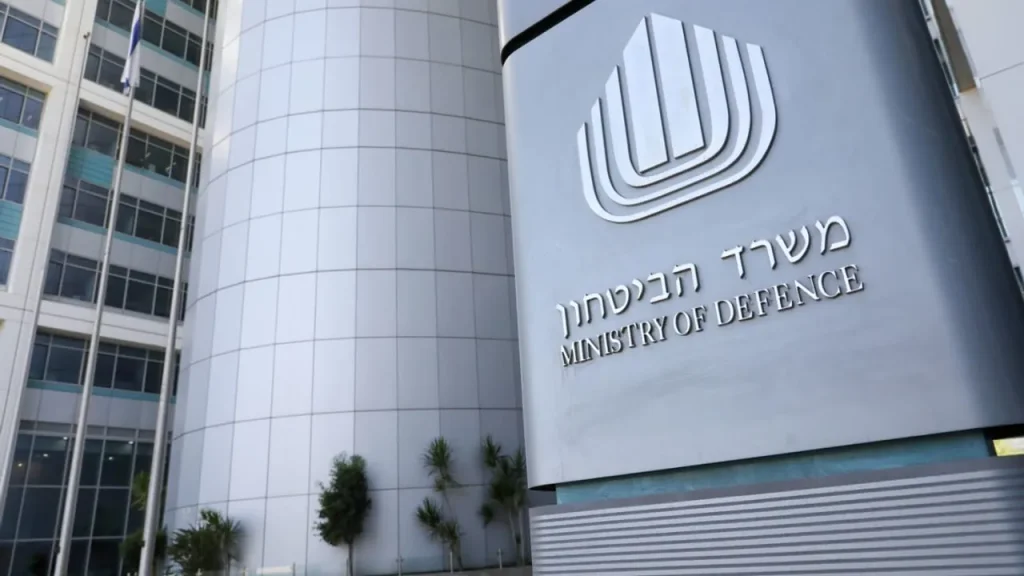
A defence ministry in the room
The Israel Telangana Tech Delegation Catalogue lists 21 participants. They span defence and aerospace, AI, cybersecurity, robotics, semiconductors and digital infrastructure. One of them, TechGuard Labs Foundation, is Indian.
The catalogue names the Israeli Ministry of Defence’s Directorate of Defence Research and Development (DDR&D) as a participant in the wider programme. The DDR&D is known in Israel by its Hebrew acronym, Mafat.
This is not the directorate’s first appearance at T-Hub. In December 2024, the DDR&D and T-Hub launched DRISHTI (Dual-use Robust India-Israel High-Tech Innovation), with the US-based Motwani Jadeja Foundation. The programme set up a Centre of Excellence inside T-Hub to give Israeli companies access to India’s defence and technology sectors.
The catalogue’s mention of the DDR&D suggests this week’s visit falls within that arrangement.
The drones over Gaza
XTEND was founded in Tel Aviv in 2018 and now has its headquarters in Tampa, Florida. It calls itself a defence technology and “Physical AI” company. It builds human-guided, AI-driven autonomous robotic systems.
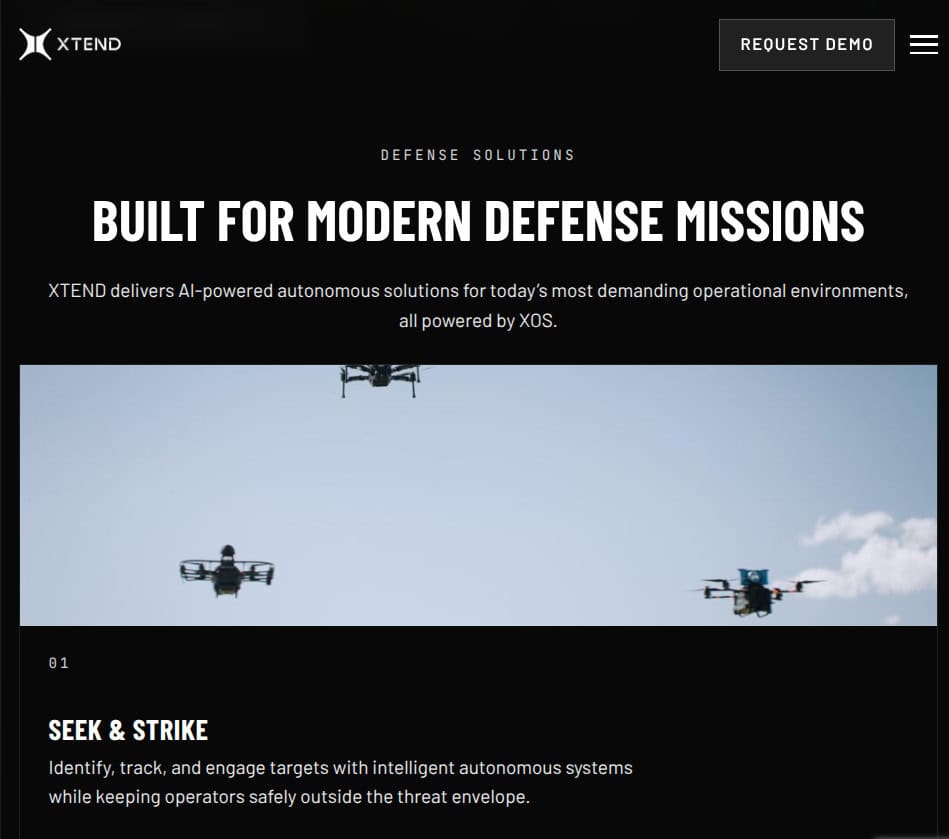
On August 20, 2025, Israel’s Defence Ministry announced that XTEND AI had won a contract worth millions of dollars to supply thousands of first-person-view (FPV) drones to the army’s ground forces. Israeli media put the order at 5,000 drones, with each one able to carry a 2.5-kg payload, enough for a small explosive charge. In April 2026 came a second deal, worth USD 1.67 million, for further drone systems and services to be delivered during the year.
XTEND’s role in Gaza is on record. Ynetnews reported that its drones flew hundreds of missions there. They scanned buildings, inspected tunnels before soldiers entered and intercepted drones. Foreign media reports, cited by Reuters and the Israeli press, said an XTEND drone tracked Hamas leader Yahya Sinwar in Rafah in October 2024 and hovered over him as he lay dying.
XTEND’s chief executive, Aviv Shapira, declined to comment on those reports and the Israeli military and Defence Ministry would not say what equipment was used.
Danny Gold, head of the Defence Ministry’s R&D directorate, has been less guarded. He has said publicly that XTEND supplied drones that were used successfully in combat during the war. Israeli military was is “operationally using” the company’s products.
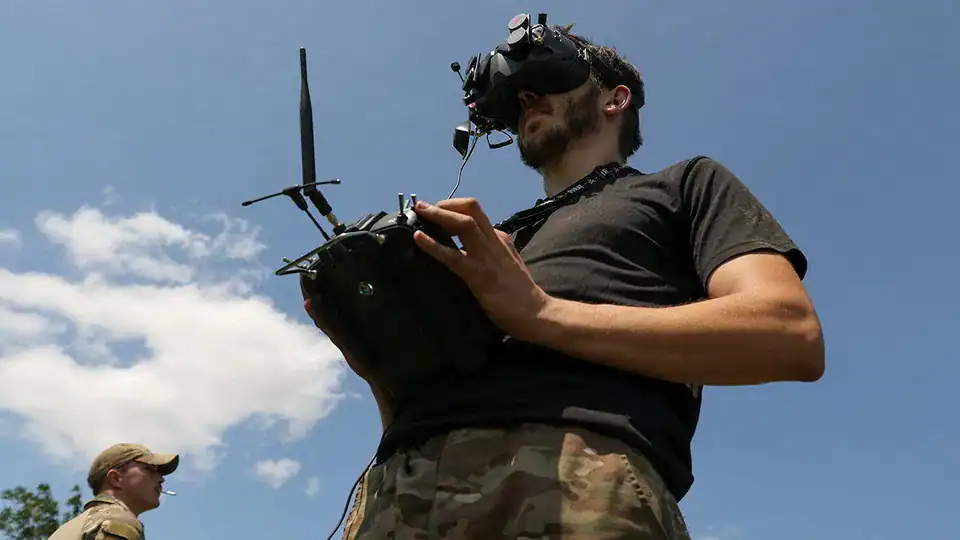
Watching the wall
The catalogue says Magal Solutions integrates perimeter intrusion detection and video analytics into coordinated security environments. Perimeter intrusion detection here means physical sensors laid along fences and walls to detect anyone who tries to cross.
That is the work the Magal name is known for in Palestine. Israel’s Defence Ministry contracted Magal Security Systems for intrusion detection along the separation barrier in the occupied West Bank. A 2014 report by American Friends Service Committee, based on research by the Israeli watchdog Who Profits, recorded about USD 19 million in orders for detection systems along the barrier’s perimeter. The same report found Magal’s surveillance systems installed in several Israeli settlements in the West Bank. It also said the company had supplied perimeter detection systems for the Gaza border.
In 2021, Magal sold the projects division that carried out those contracts to Aeronautics Ltd. Aeronautics is a subsidiary of Rafael Advanced Defense Systems, the state-owned weapons maker. The rest of the company was renamed Senstar.
View this post on Instagram

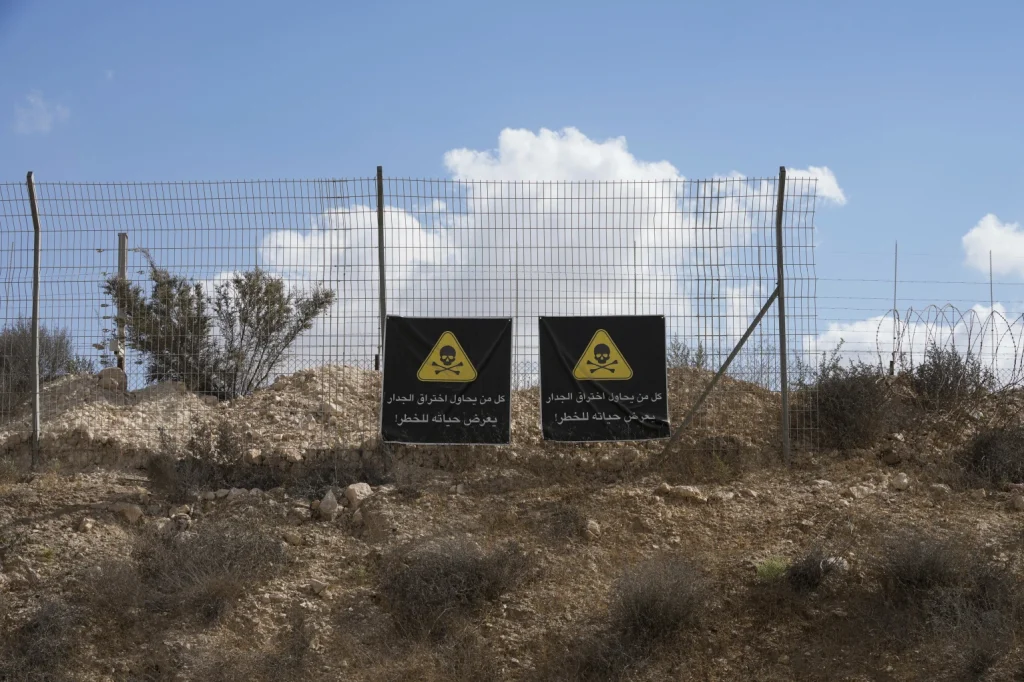
Keeping the tanks running
Netzer Precision’s link to the Israeli military runs through the Merkava, the main battle tank Israel has used throughout its ground offensive in Gaza. The company’s sensors are integrated into the Merkava programme and support the tank’s observation, tracking, guidance and positioning systems.
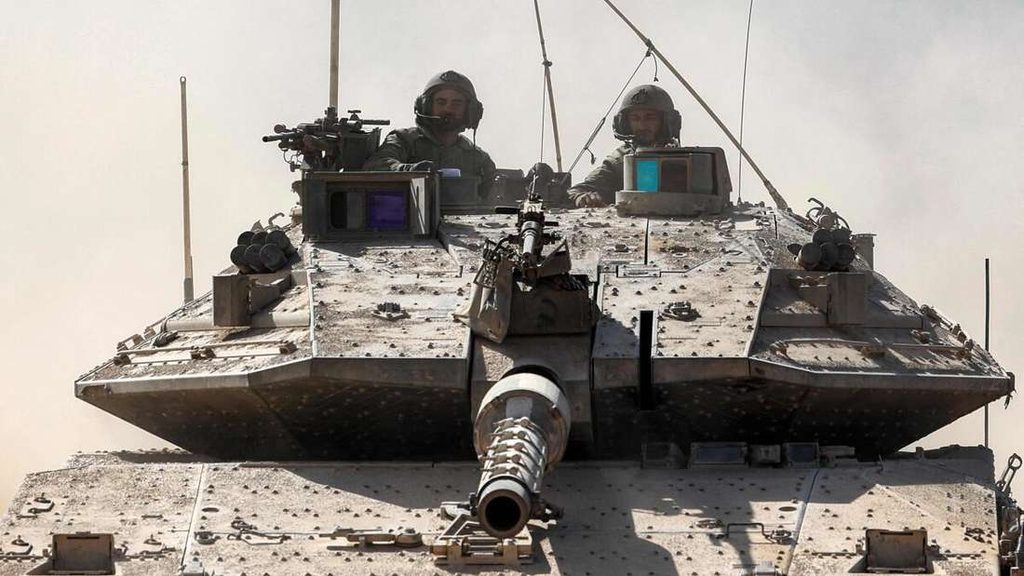
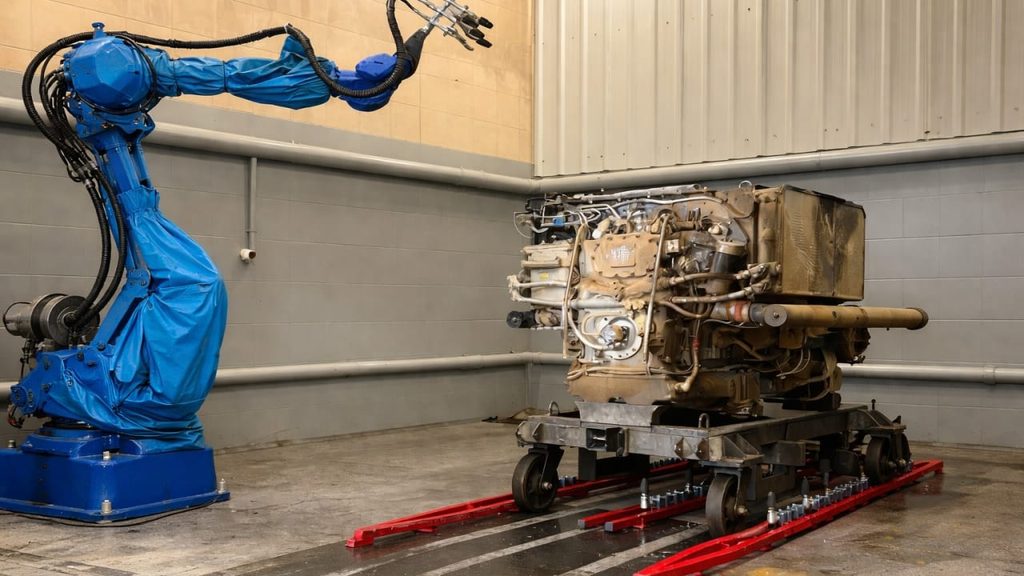
Ruby.AI helps keep those tanks in service. The company says it specialises in sustaining military operations over weeks and months, protecting soldiers and maintaining readiness during “prolonged, high-intensity warfare.” It describes its systems as operationally proven.
In February 2026, The Jerusalem Post reported that the Israeli military had introduced a robotic tank-maintenance system developed by Ruby.AI. The robot works autonomously, finishes 48 hours of maintenance in two and keeps soldiers away from hazardous work.
Ruby.AI’s founder and chief executive, Daniel Ben Dov, previously held management positions at Elbit Systems, Israel’s largest private arms maker, and at Gilat Satellites. He has said the technology was developed during the war. Public records do not show which units’ tanks the system has serviced or in which operations those tanks were deployed.
An ‘Israeli Palantir’
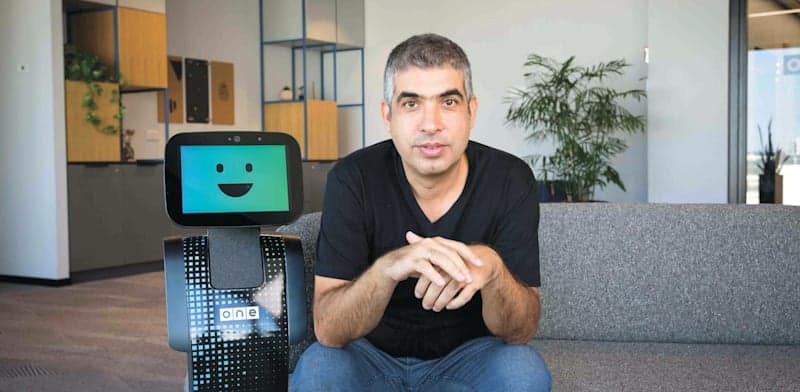
Jeen AI Technologies sells specialised enterprise AI infrastructure. Through its defence subsidiary, Jeen Defense, it sells that infrastructure to the Israeli military and national security establishment.
In August 2026, The Jerusalem Post reported that Jeen Defense had received a NIS 14.9 million order from the Defence Ministry. It was the company’s largest order so far and its third Defence Ministry contract in five months. The orders fall under a framework agreement worth up to NIS 45 million over two years.
Chief executive Oded Tahori has said that Jeen works with all of Israel’s major defence agencies, supplying AI tools for intelligence analysis and operational planning. He has also said he wants to build an Israeli equivalent of Palantir, the American data company whose software is used by militaries and spy agencies.
Jeen’s team includes former senior figures from Israeli intelligence. Among them are a former R&D manager at the Mossad, the Mossad’s former head of research and a former data manager at the Shin Bet, Israel’s internal security agency.
Trained in the field
Globasity Defence is an AI start-up founded by Israeli defence veterans Eilon Tzur and Nir Elbaz. It builds AI-powered visual detection models for multi-spectrum cameras. The software detects, classifies and tracks small, fast-moving targets in noisy or cluttered environments.
Globasity is a registered defence exporter with Israel’s Defence Ministry. It says its models were engineered and refined on real-world targets over “18 months in the field.” It does not say which field.
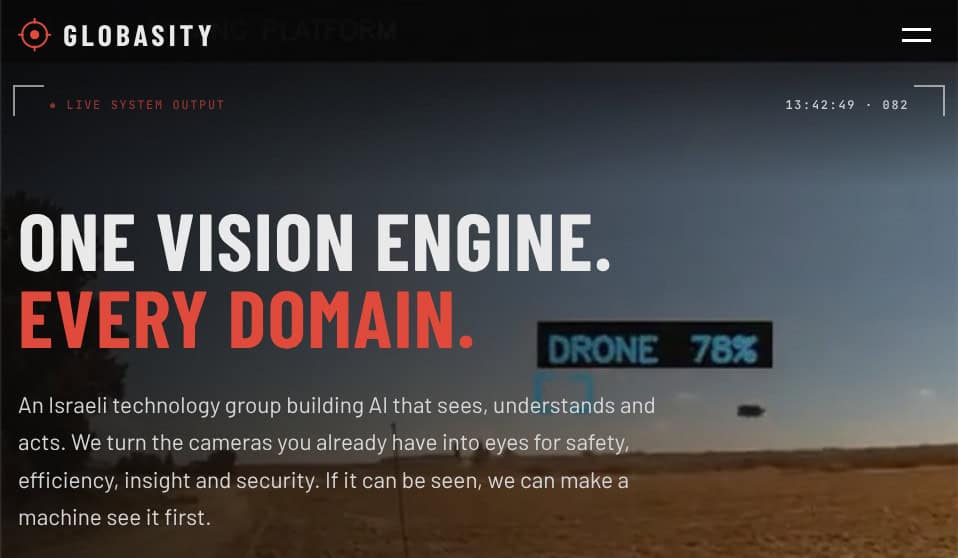
According to the T-Hub catalogue, Globasity holds a Defence Ministry licence to export to India. It has also proposed joint India-Israel research and development and local assembly. Of everything in the catalogue, this proposal is the plainest statement of what the delegation hopes to take home from Hyderabad.
An ‘aerial Humvee’
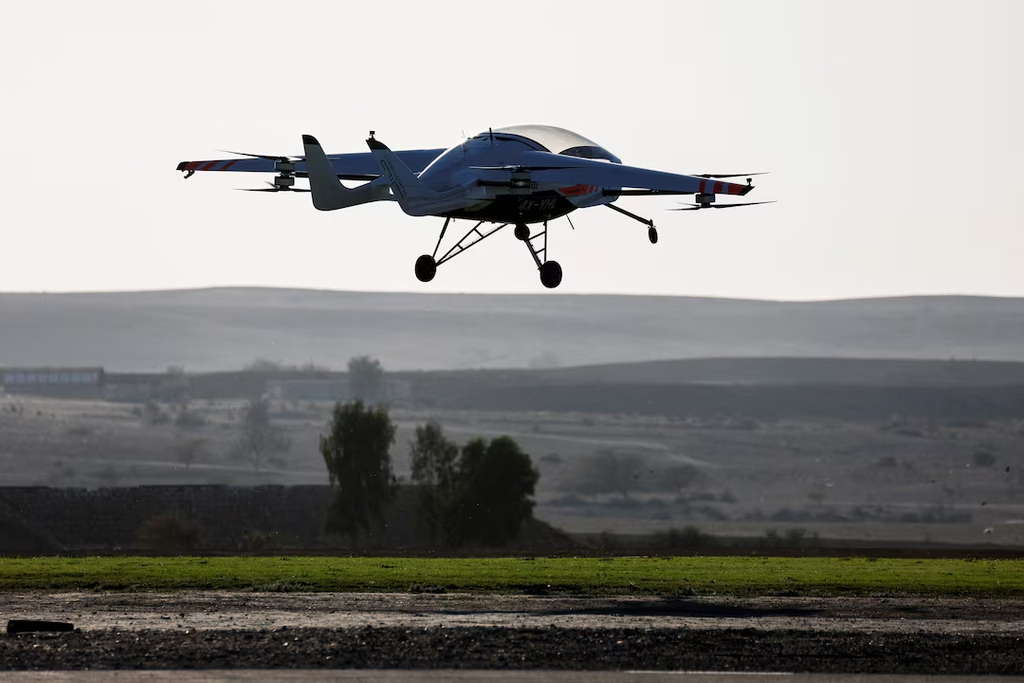
AIR, also known as AIREV, is an Israeli aerospace start-up that designs and manufactures electric vertical takeoff and landing aircraft. It began by pitching personal flight and now leans heavily on cargo and defence.
Chief executive Rani Plaut has told Israeli media that AIR holds contracts with both the Israeli and US militaries. He has also said the Israeli Defence Ministry has bought a double-digit number of its aircraft. The Israeli Air Force bought the first unit in late 2022. Since then, the aircraft has been tested by the air force and by ground forces, who have nicknamed it the “aerial Humvee.”
Among the uses being tested is aerial resupply of troops operating deep in the field.
Generals and drones
Cando Drones was founded in 2019 by three former senior Israeli officers – Brigadier General (retd) Yoely Or, its chief executive, Brigadier General (retd) Alon Kloss, a former chief artillery officer, and Moshe Kipnis, one of the developers of the Iron Dome missile defence system.
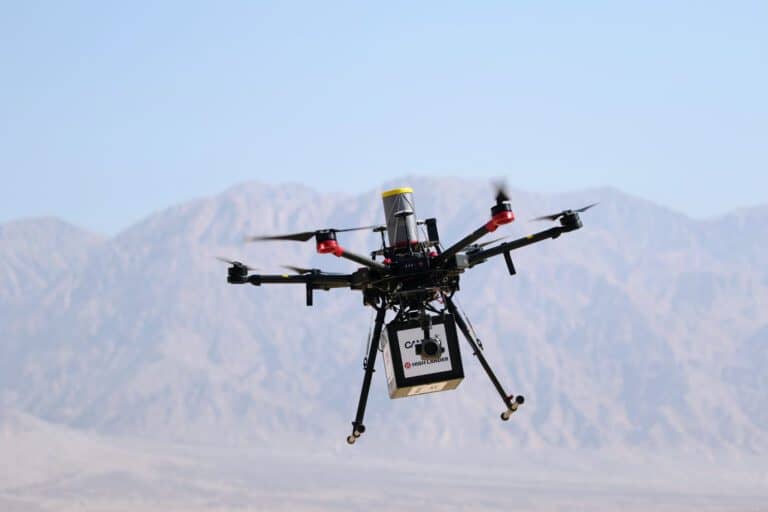
The company’s website says its management team established unmanned aerial vehicle units in the Israeli military and conducted complex military operations. Cando sets up and runs fleets of autonomous drones for military and civilian customers.
The company listed on the Tel Aviv Stock Exchange this year. Its controlling shareholder, with 30.5 per cent, is the Rami Levy supermarket chain. Rami Levy operates in West Bank settlements and appears in the UN human rights office’s database of businesses involved in settlement activity.

The rest of the list
AeroSentry develops AI-powered computer vision. The Israel Innovation Authority has classified it as a defence technology company and it has received government innovation support for technology designed for defence and security applications.
Beckermus Technologies is an Israeli manufacturer specialising in microelectronics, semiconductor packaging and photonics. Its website lists defence and aerospace among the industries it serves, and the company says its customers include the military as well as civilian organisations.
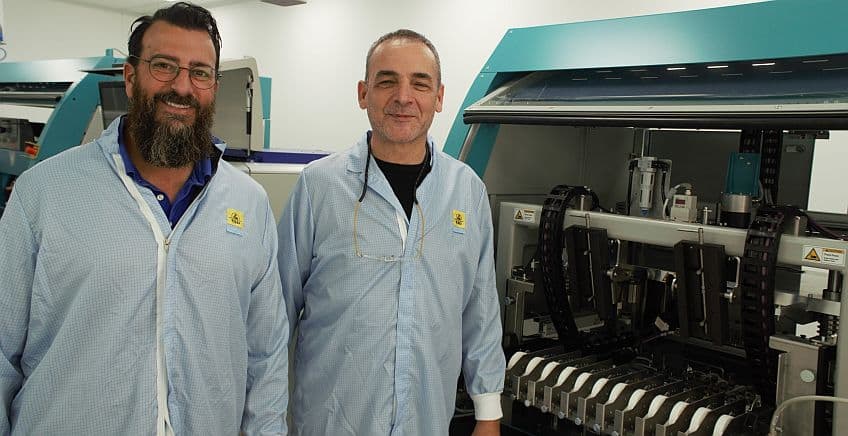
For these two, as for some others on the list, the public record shows ties to the military but not specific deployments in Gaza.
A settlement university in Coimbatore
TechGuard Labs Foundation is the only Indian entity in the delegation. It is a cybersecurity organisation set up in Coimbatore in 2026 by the SNR Sons Charitable Trust, with Israeli partners Ariel University, Promitei Ltd and ERA IT Consulting.
Ariel University stands in Ariel, an Israeli settlement in the occupied West Bank. Settlements are illegal under international law. In July 2024, the International Court of Justice went further and found Israel’s occupation of Palestinian territory itself unlawful.

The data behind the war
Not every company in the catalogue sells weapons. Some sell cybersecurity, cloud infrastructure and data-processing tools. In a war fought as much with data as with bombs, that distinction matters less than it once did.
A 2024 Human Rights Watch (HRW) study found that the digital tools the Israeli military uses in Gaza rely on ongoing, systematic surveillance of all Palestinian residents of the territory. That surveillance includes “data collected before the current hostilities in a manner that is incompatible with international human rights law,” HRW said.

According to the International Institute for Strategic Studies, Israel has sharply expanded its military AI capabilities. It has done so through the Defence Ministry’s AI and Autonomy Administration, which sits inside the DDR&D, the same directorate named in the T-Hub catalogue.
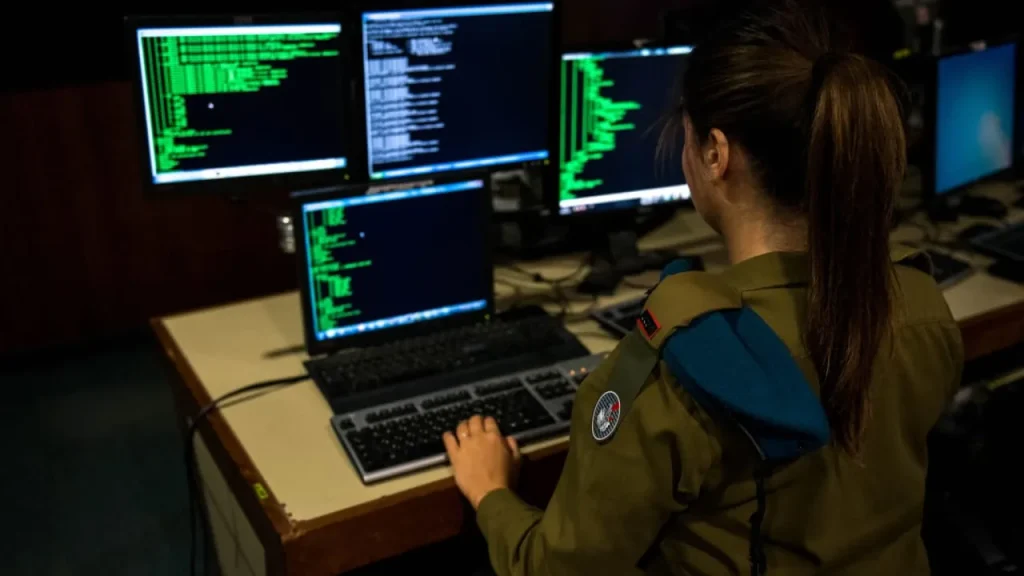
It has also relied on software built in-house by elite intelligence units such as Unit 8200. Unit 8200 is the Israeli military’s signals intelligence unit, responsible for intercepting communications, breaking codes, cyberwarfare and surveillance.
What Telangana is signing up for
T-Hub is not a private club. The Telangana government set it up and the state still presents it as the face of its innovation economy. When T-Hub hosts a delegation whose catalogue includes a defence ministry directorate, a maker of attack drones used in Gaza, and the successor to the company that wired the West Bank wall, the state lends its name to those relationships.
The invitation to Hyderabad’s start-ups asks them to explore collaboration. It does not say with whom.
Get the latest updates in Hyderabad City News, Technology, Entertainment, Sports, Politics and Top Stories on WhatsApp & Telegram by subscribing to our channels. You can also download our app for Android and iOS.
This content is published by The Siasat Daily and has not been created or edited by Hello Headlines. View original