‘Don’t poison yourself,’ said SC, but people didn’t pay heed
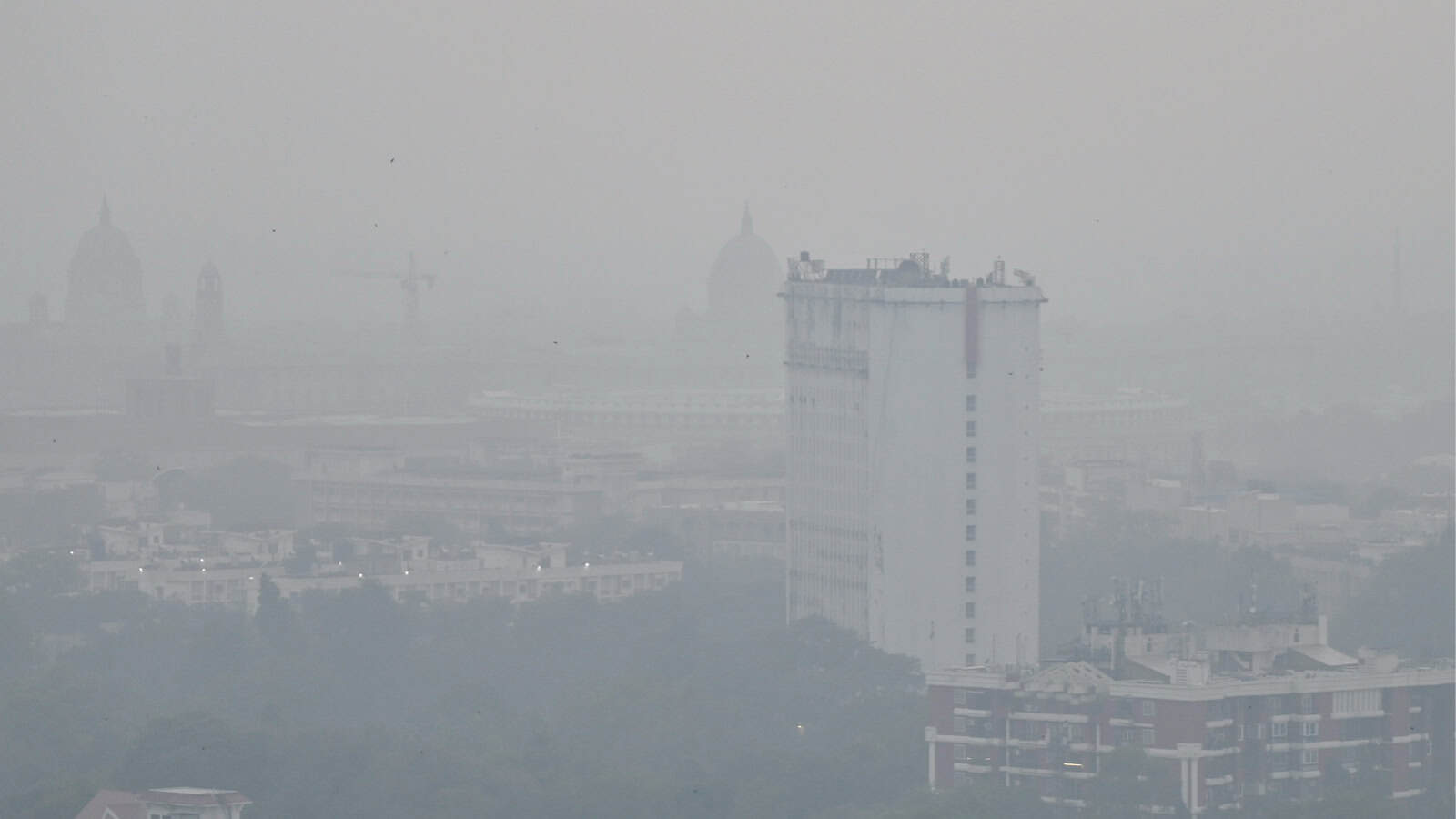
Despite the Supreme Court ordering that only green firecrackers be burst during Diwali, just days before the festive season began, Delhi was enveloped in a smog so terrible that it was the worst in the past five years. This is not the first time the apex court laid down the rules. And yet, the people of the national capital went against their own health interests. That is the tragedy: both the disregard for the court and for their own health.
We need to wait and see how the Supreme Court deals with this large-scale defiance of its orders, and logically speaking, such flouting could well be a cause for contempt. Since it has been widespread in the Delhi region, who would the contemners be? For their own good health, they should ease off on polluting firecrackers; people ought to begin respecting the law, especially in this instance. The court only asked Delhi residents to stop poisoning themselves. They should be grateful instead.
It is equally sad that, despite the National Environmental Engineering Research Institute and the National Environmental Engineering Research Institute (NEERI) in 2018 and the Council of Scientific and Industrial Research (CSIR) coming up with eco-friendly firecrackers in 2018 and 2019, respectively, only a third of all firecrackers manufactured are of that type. They pollute two-thirds less compared to the traditional variety. The size of the industry is between Rs 7,000-Rs 8,000 cr.
Poor info on them, hardly enough green crackers
When the Supreme Court ordered what kind of firecrackers could be burst, where, and during what hours, several issues came together that led to the disastrous air quality. To start with, people were not familiar with what the green crackers were because they were not promoted by the industry and there was almost nil public education by the government, which ought to be more alert than it is about air quality; two, there were not enough because the industry did not switch to that variety. That, we can say, is a crucial aspect.
The government, which has to regulate the sale—safe places to sell them from, for instance—and issue notices to the seller, spectacularly failed. An oversight on the trade during the season’s sale was lacking to the extent it was missing. Media reports suggested that police personnel winked at it, but it is not their job. The worst part is that people who decided to burn money did not give two hoots about the environmental harm when self-preservation should dictate compliance with what the court ordained.
What’s this obsession with firecrackers?
I am hard-pressed to understand this obsession with firecrackers despite the enormous risks they pose to humans because of the smoke they breathe and what others in the community are forced to inhale. It is supposed to celebrate, like the Ayodhya residents did when Ram returned after 14 years of wandering in the forest, and if it were to mimic that, firecrackers would not have existed then. The Chinese were the first to invent firecrackers, millennia after the Ramayana was set.
Each year, the problem worsens, and despite the existing state of the economy, price rises are pronounced, money is burnt, and bad air is bestowed on the populations. This, however, is not an experience limited to Delhi and the surrounding areas, for reports of bad air quality measured in AQI (Air Quality Index) have come in from across the country. On the first Diwali day, of the 100 cities worldwide where the AQI was poor, as many as 93 were Indian, something that should shock us into good sense.
Tamil Nadu has 1 year to be ready to protect country’s air
It would have been valuable if the Supreme Court had expanded its area of concern beyond Delhi and brought the entire country into the order and asked for the seizure of crackers on sight—from the warehouses to transports, wholesalers to retailers and those who brought them out to light them—if they were not the green or eco-friendly variety. That, of course, would have been a gargantuan task, but action to curb the firecrackers has to start somewhere.
It could even start, at least now, with the manufacturers. It is not as if the industry is spread across the country, for about 85 per cent to 90 per cent is produced in Sivakasi in Tamil Nadu. Though the industry moved towards manufacturing eco-friendly or less polluting firecrackers since 2000, the switchover has been slow. Only a third of the total manufacture in the industry is poor progress in six years, especially when it is critical to ensuring cleaner air. Tamil Nadu now needs to move quickly and protect the country’s air by the next Diwali.
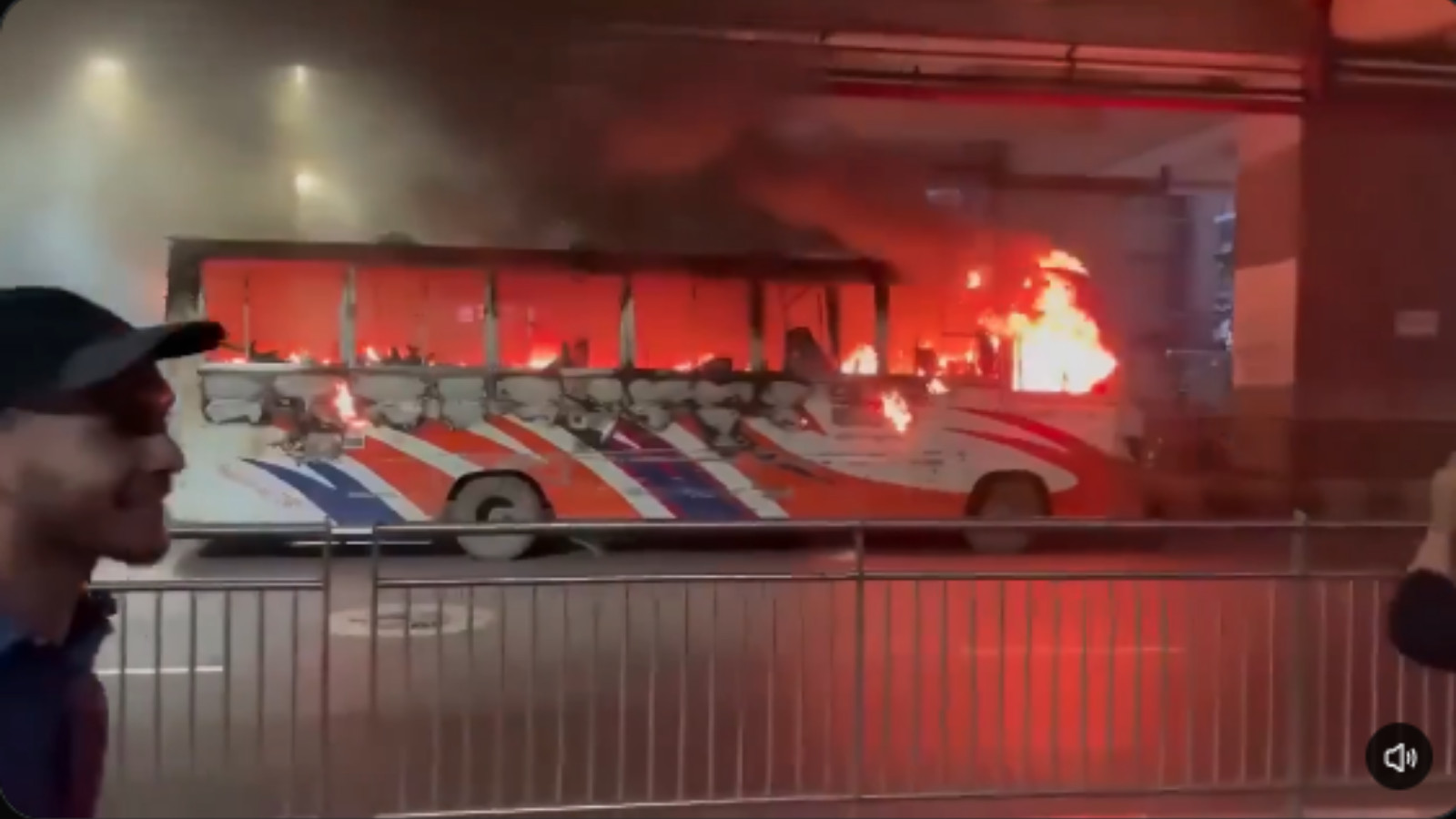
But we commoners need to understand that the use of firecrackers, never mind the expense, causes other kinds of pain as well. The bursting of firecrackers with gay abandon has been leading to a higher number of fires across the country. As many as 42 fires were dealt with by the fire brigade in Nagpur, in the thousands, big and small, in Rajkot, and 137 in Mumbai, where three floors of a multi-storey building were turned to ashes. A family of five were killed in Dharashiv. A policeman was killed when he tried to intervene while revellers were bursting crackers and making a reel.
Get the latest updates in Hyderabad City News, Technology, Entertainment, Sports, Politics and Top Stories on WhatsApp & Telegram by subscribing to our channels. You can also download our app for Android and iOS.
This content is published by The Siasat Daily and has not been created or edited by Hello Headlines. View original