Closing Bathroom Door After Flushing May Trap Germs Inside, Here's Why
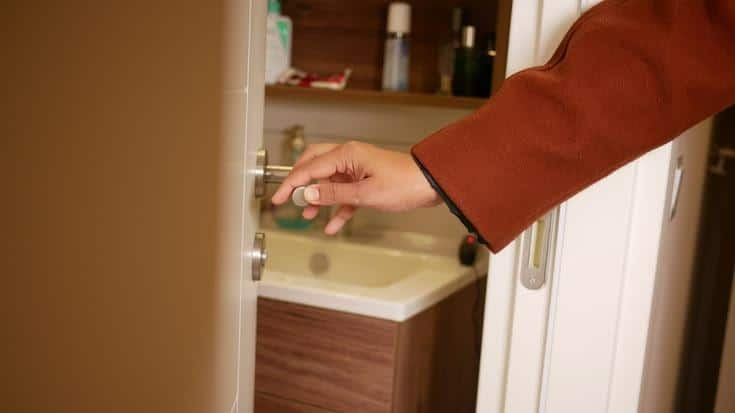
Keeping the bathroom door closed after flushing the toilet may seem like a good hygiene practice, as it helps contain unpleasant smells and maintain privacy. However, research suggests that this habit could sometimes have the opposite effect, particularly in bathrooms with poor ventilation. Instead of allowing contaminated air to escape, a closed door may trap airborne particles inside the confined space.
Every time you flush a toilet, tiny droplets and particles, commonly known as aerosols, can be released into the air. These particles may contain bacteria and other potentially harmful microorganisms. While they may not be visible to the naked eye, they can remain suspended in the air for some time and spread throughout the bathroom.
What Does Research Say About Flushing And Germs?
Research published in Building and Environment during 2025–2026 examined how aerosols generated during toilet flushing spread indoors. The findings suggest that these tiny airborne particles can travel across the bathroom and affect the surrounding environment.
The particles do not disappear immediately after flushing. Their movement and concentration can depend on factors such as air circulation, ventilation and the size of the enclosed space.
ALSO READ | Delhi AQI Crosses 400: 5 Health Complications Caused By Prolonged Exposure To Toxic Air
Why Can Keeping The Bathroom Door Closed Be A Problem?
When a bathroom has inadequate ventilation, keeping the door closed after flushing may prevent contaminated air from dispersing. As a result, airborne particles can remain trapped inside the confined space for longer.
A 2026 simulation study published in the Journal of Hazardous Materials highlighted how particles can accumulate in enclosed spaces with limited airflow. When ventilation is insufficient, their concentration may increase, potentially raising the chances of people inhaling them.
This does not mean that closing the bathroom door is always harmful. The concern is particularly relevant to bathrooms that lack proper ventilation or exhaust systems.
How Can Bathroom Germs Spread To Different Surfaces?
The potential spread of germs is not limited to the air. Airborne particles can eventually settle on different bathroom surfaces, including washbasins, door handles, toilet seats and doors.
A review published in the Journal of Applied Microbiology has also highlighted how bacteria and viruses can spread across toilet and bathroom surfaces.
This makes regular cleaning important, particularly for frequently touched areas such as flush handles, taps and door handles.
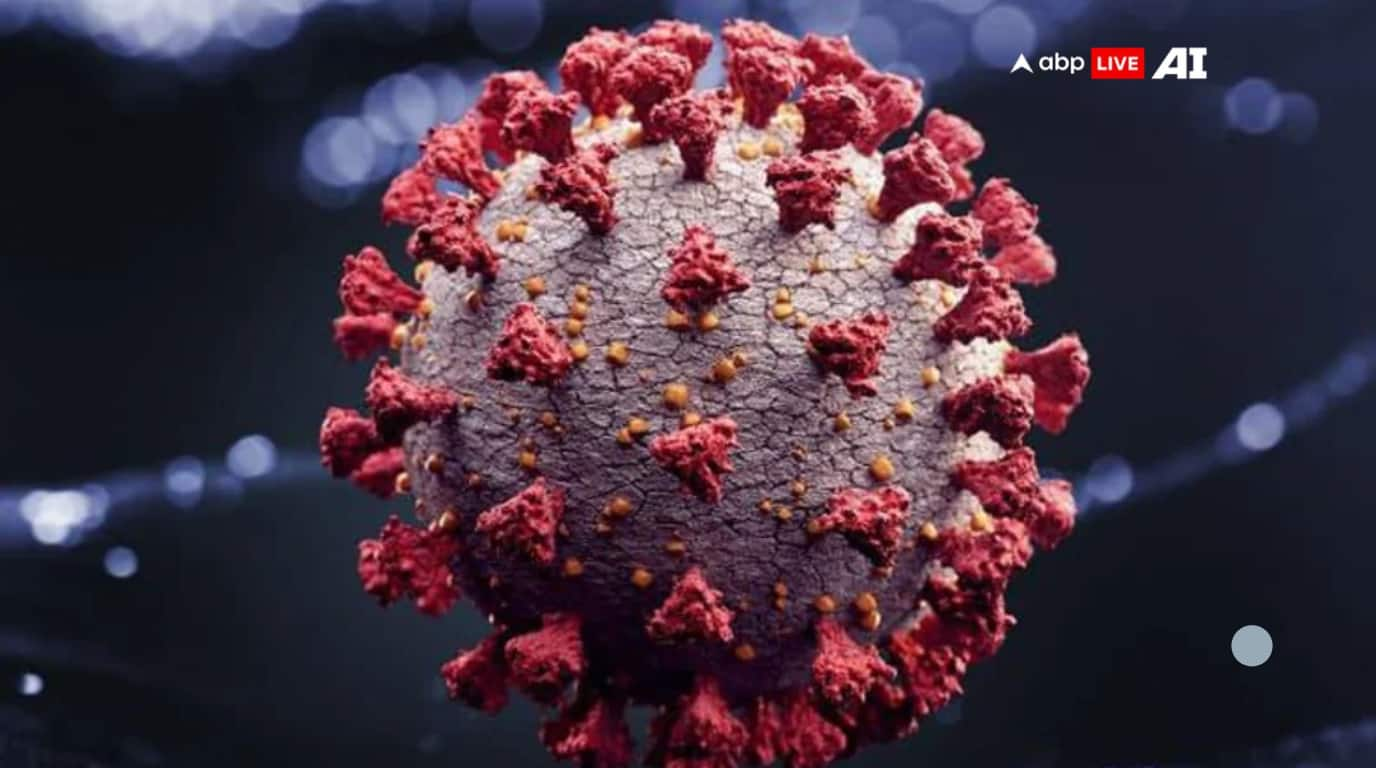
ALSO READ | New COVID Variant PJ.2.1 On The Rise, Are Current Vaccines Effective?
How To Reduce Germs In The Bathroom After Flushing?
Maintaining proper ventilation and following a few simple hygiene practices can help reduce the accumulation of airborne particles and limit the spread of germs.
Here are some precautions to follow:
-
Use an exhaust fan: Switch on the exhaust fan to improve air circulation and help remove contaminated air from the bathroom.
-
Close the toilet lid before flushing: This can help limit the spread of droplets and aerosols, although it may not prevent their release completely.
-
Allow fresh air to circulate: If the bathroom has poor ventilation, consider opening the door for some time after flushing.
-
Clean frequently touched surfaces: Regularly disinfect door handles, taps, flush buttons and washbasins.
-
Maintain proper ventilation: Ensure that the bathroom has adequate airflow to prevent moisture and airborne particles from accumulating.
Should You Always Keep The Bathroom Door Open?
Not necessarily. Closing the bathroom door is not inherently unhygienic, and maintaining privacy is also important. The key is to ensure that the space has adequate ventilation so that airborne particles do not remain trapped for extended periods.
Using an exhaust fan, keeping the toilet lid closed while flushing and allowing fresh air to circulate can help maintain a cleaner bathroom environment.
This content is published by ABP Live - Health and has not been created or edited by Hello Headlines. View original