Uttar Pradesh: 82 Of 83 Babies Born To HIV-Positive Mothers Test Negative In Kushinagar
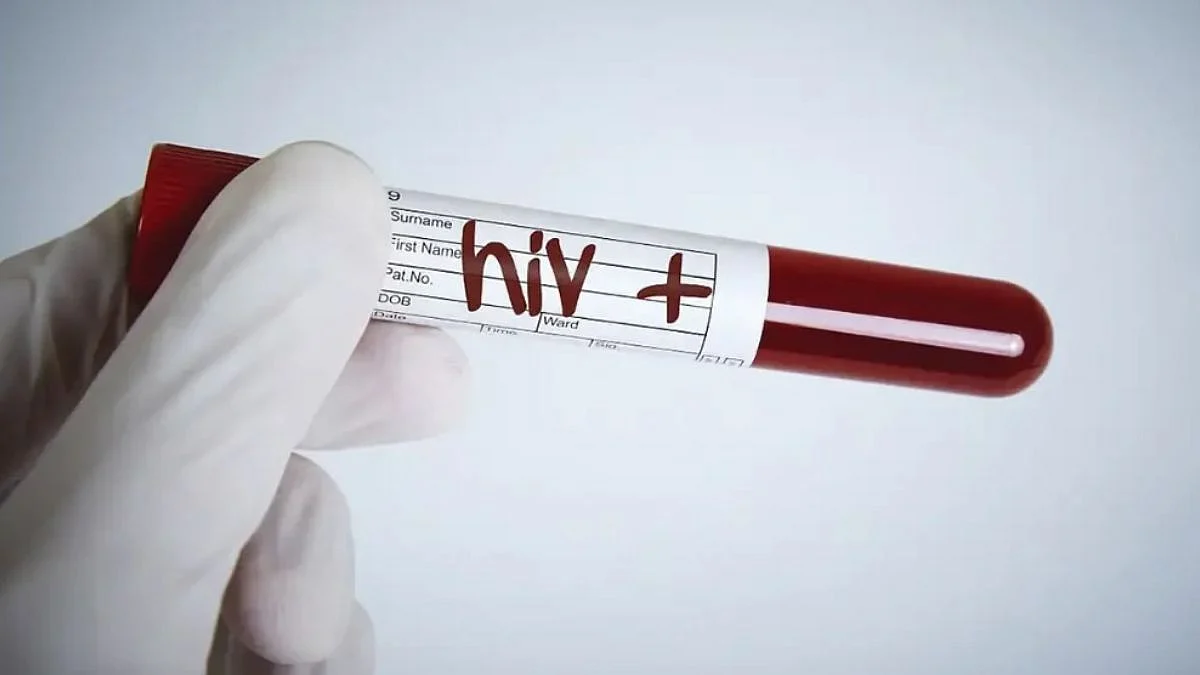
Kushinagar, November 11, 2026: A remarkable healthcare achievement in Uttar Pradesh is bringing new hope to HIV-positive mothers. In Kushinagar district, 82 out of 83 babies born to HIV-infected women over the past two years have tested negative for HIV, highlighting the importance of early diagnosis, regular medication and medical supervision.
According to data from the Integrated Counselling and Testing Centre (ICTC) at Kushinagar Medical College, 83 HIV-positive women gave birth between April 2023 and March 2025. Of these, 82 babies tested negative, while only one child was found HIV-positive.
Treatment During Pregnancy
During the financial year 2023-24, 43 HIV-positive women delivered babies. Among them, 24 were already aware of their HIV status and were receiving regular treatment, while 19 were diagnosed during pregnancy.
Similarly, 40 women gave birth during 2024-25. Of these, 27 were already undergoing treatment, while 13 were diagnosed with HIV during pregnancy.
Healthcare experts attribute this encouraging outcome to timely screening, antiretroviral therapy (ART) and continuous monitoring. Doctors regularly conduct viral load tests to measure the amount of HIV in the mother's blood and assess the effectiveness of treatment. Keeping the viral load under control significantly reduces the risk of transmission to the unborn child.
UP Farmers To Get Up To ₹30,000 Per Hectare For Crop Loss As Govt Revises Disaster ReliefRegular Testing Of Babies
Babies born to HIV-positive mothers are also monitored through regular testing at approximately six weeks, six months, one year and 18 months of age. Testing facilities are available at AIIMS Delhi and King George's Medical University (KGMU), Lucknow.
Meanwhile, 32 HIV-positive pregnant women were identified during the 2025-26 financial year and are currently under medical supervision.
This content is published by Free Press Journal and has not been created or edited by Hello Headlines. View original