Beaver Moon 2026: When, Where And How To See The Celestial Event; All You Need To Know
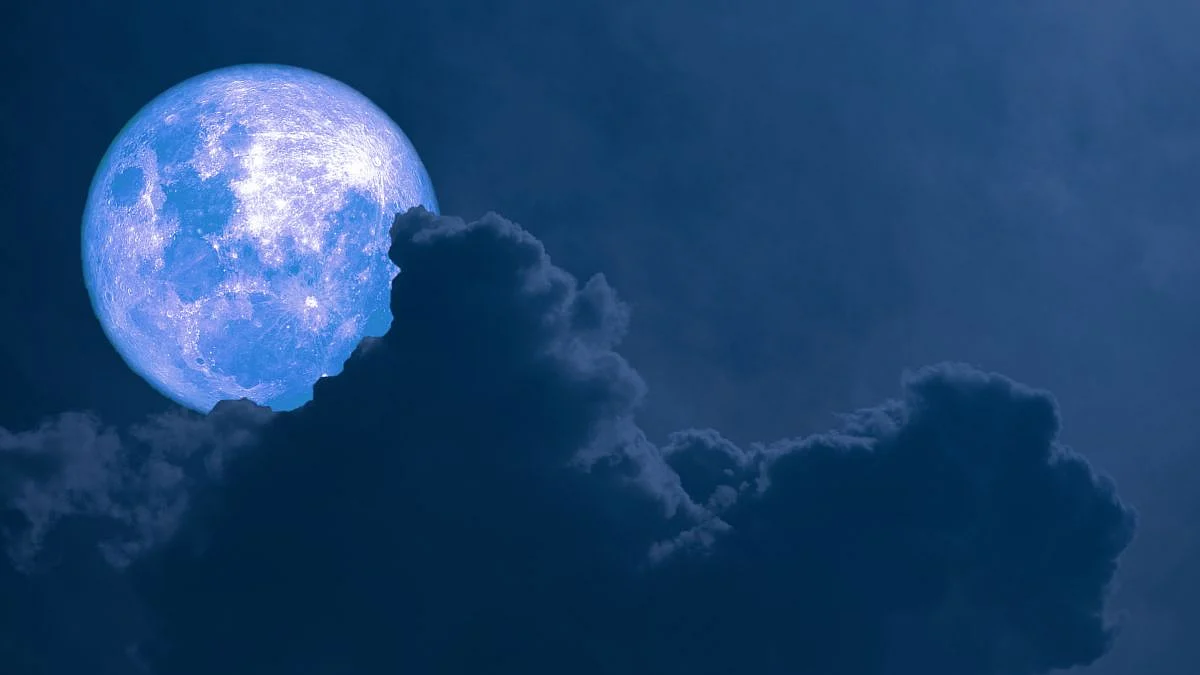
People who have an interest in celestial events have good news as a Supermoon is set to light up the skies in November. This supermoon is called the Beaver Moon, and it will appear eight percent larger and 16 percent brighter than an average full moon. The term supermoon refers to a full moon that occurs near perigee, the point in the Moon’s orbit when it is closest to Earth, making it appear larger and brighter. Let's take a look at when, where and how to watch it.
Beaver Moon to appear in November 2026
The Beaver Supermoon is set to illuminate the skies on Tuesday, November 24, 2026, and the full moon will reach its peak illumination at 9:53 AM Eastern Time (8:23 PM IST), according to the Old Farmer's Almanac. The best viewing opportunities will be on the evenings of Monday, November 23, and Tuesday, November 24.
Where will the Beaver Moon be visible?
On the nights of November 23 and 24, you may notice that the lunar disk takes on a mesmerising yellow-orange hue in the hour before moonset, as the bluer wavelengths of its light are scattered by Earth's dense atmosphere through a process known as Rayleigh scattering, the same phenomenon that turns the sky red during sunrise and sunset.
The Beaver Supermoon will be visible in almost every country, including London, Beijing, Tokyo, Sydney, New York, North America, South America, Europe, Africa, Asia, Australia and India, among others.
Solar Eclipse 2026: Stunning Celestial Event Lights Up Skies Across Europe And Other Countries; Take A Look!Tips for watching the Beaver Moon
Astronomy enthusiasts should choose a location away from artificial lights and allow their eyes about 20–30 minutes to adjust to the darkness. No telescope or binoculars are required, as the Moon is best viewed with the naked eye across a wide stretch of the sky. If unable to witness the event in person due to bad weather, they can watch the videos that will be posted on social media.
This content is published by Free Press Journal and has not been created or edited by Hello Headlines. View original