5 lessons to learn from the book Kaizen by Sarah Harvey
Have you ever decided to change your entire life, only to give up after a few days? Whether it is waking up early, exercising regularly, saving money, or learning a new skill, making major lifestyle changes can feel overwhelming. But what if you could transform your life without changing everything at once?
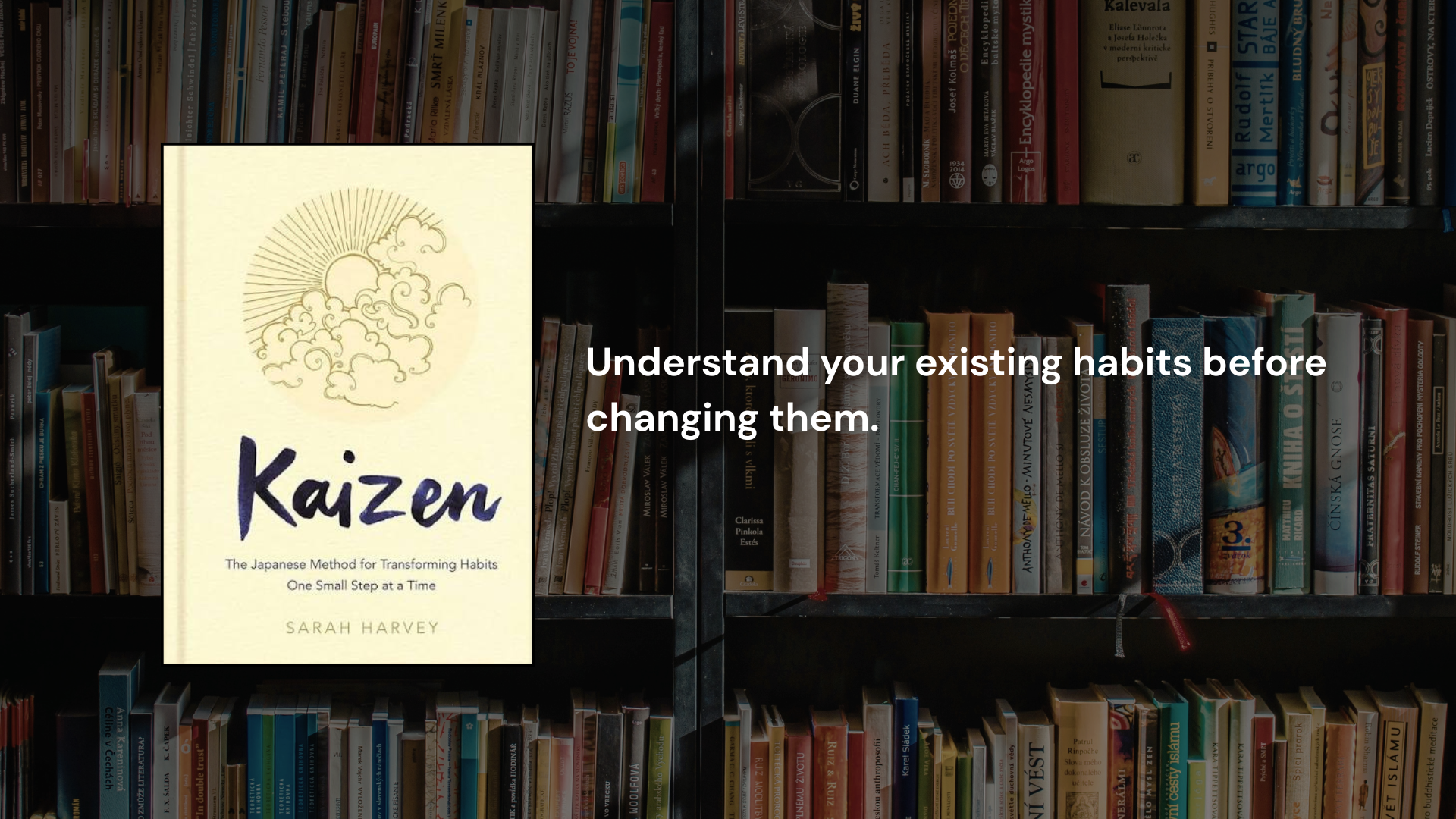
In Kaizen: The Japanese Method for Transforming Habits, One Small Step at a Time, Sarah Harvey introduces readers to the Japanese philosophy of Kaizen, which focuses on continuous improvement through small, manageable changes.
The book explains how this approach can be applied to different areas of life, including health, relationships, finances, career, and everyday habits. Instead of chasing overnight transformation, Harvey encourages readers to practise patience, understand their existing routines, and make gradual improvements that last.
5 Important lessons to learn from Kaizen by Sarah Harvey.
1. Small changes can lead to big results
One of the biggest lessons from the book is that you do not need to make dramatic changes to improve your life. Sometimes, the smallest actions can create meaningful progress when repeated consistently.
For example, if you want to develop a reading habit, start with just five pages a day instead of forcing yourself to finish an entire book in a week. Similarly, if you want to become physically active, begin with a short daily walk.
The idea is to make changes so manageable that you can continue them without feeling overwhelmed.
2. Understand your existing habits before changing them
Before introducing new habits, take some time to understand your current routine. Many people try to change their behaviour without identifying what is preventing them from making progress.
Harvey encourages readers to examine their everyday activities, identify areas that need improvement, and understand which habits are helping or holding them back.
For example, if you spend too much time scrolling through social media, observe when and why you reach for your phone. Once you understand the pattern, you can gradually replace that habit with something more productive.
3. Break big goals into smaller steps
Large goals can sometimes feel impossible because we focus too much on the final result rather than the actions required to achieve it.
The Kaizen approach encourages breaking ambitious goals into smaller, realistic tasks. Instead of worrying about writing an entire book, focus on writing one paragraph every day. If you want to save money, begin by setting aside a small amount regularly.
These manageable steps make it easier to stay motivated and track your progress.
4. Be patient and stop comparing your progress
Personal growth does not happen at the same speed for everyone. Some habits take weeks to develop, while others require months of consistent effort.
The book emphasises the importance of patience and creating solutions that suit your individual lifestyle. What works for someone else may not necessarily work for you.
Instead of comparing your progress with others, focus on becoming slightly better than you were yesterday. Remember that consistency matters more than perfection.
5. Track your progress and adjust your approach
Making changes is only one part of the process. You also need to understand whether those changes are working.
The book encourages readers to monitor their habits, review their progress, and make adjustments whenever necessary. Keeping a journal or maintaining a simple habit tracker can help you recognise improvements and identify areas that need more attention.
If a particular routine is not working, do not immediately consider it a failure. Find a more manageable approach and try again.
Final thoughts
Kaizen by Sarah Harvey offers a refreshing approach to personal development by reminding readers that meaningful transformation does not happen overnight. Instead of putting pressure on yourself to change everything at once, focus on making small improvements every day.
Whether you want to build healthier habits, improve your finances, strengthen relationships, or become more productive, the Kaizen philosophy encourages you to take one manageable step at a time.
The biggest takeaway is simple: you do not have to become a completely different person tomorrow. You just have to make a small effort to become better today.
This content is published by YourStory and has not been created or edited by Hello Headlines. View original