Paytm gets RBI's in-principle nod to revive wallet business through new subsidiary
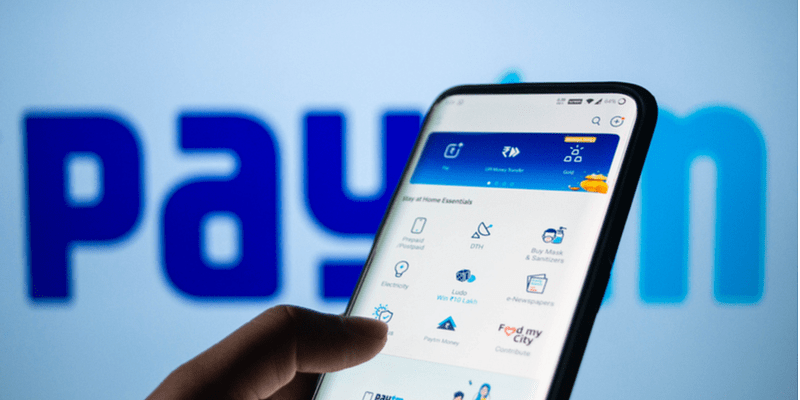
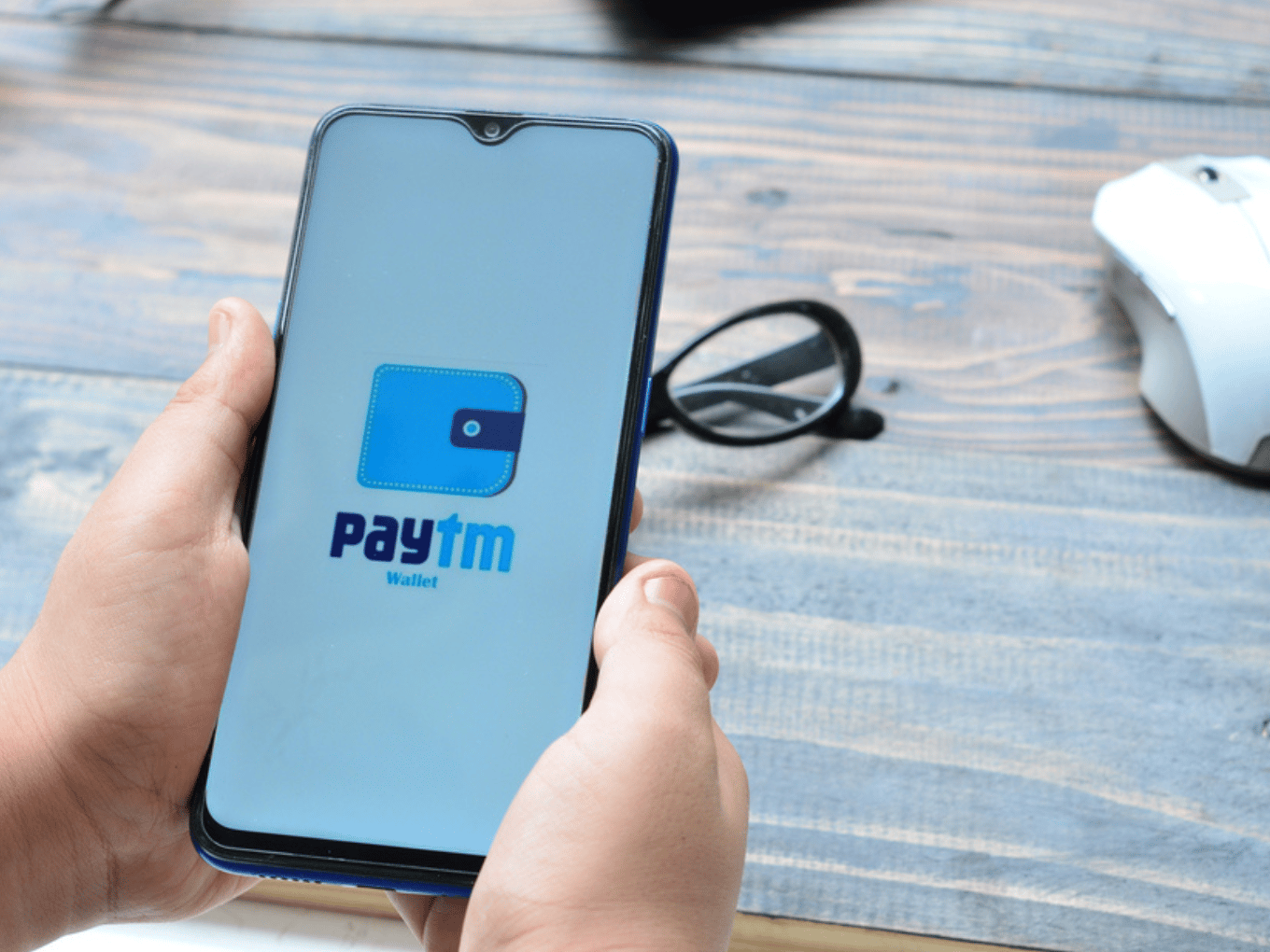
Paytm’s wholly owned subsidiary, Paytm Payments Services Ltd (PPSL), has received in-principle authorisation from the RBI to set up and operate a payment system for issuing and operating prepaid payment instruments (PPIs), including digital wallets.
The fintech major disclosed that it has been granted the authorisation, under the Payment and Settlement Systems Act, 2007, from the apex bank in a filing today.
Now, Paytm can commence operations only after fulfilling the RBI’s conditions and securing final authorisation, or a Certificate of Authorisation, from the central bank.
PPSL had submitted its application for a fresh PPI licence to the RBI on December 31, 2025, which Paytm disclosed in its Q1 FY27 earnings release.
The in-principle authorisation comes with compliance requirements around PPSL’s technology infrastructure and cybersecurity systems.
The RBI has directed the subsidiary to undertake a system audit, including a cybersecurity audit, through an eligible auditor. PPSL must submit the audit report to the RBI within six months. If it fails to meet the deadline, the in-principle authorisation will automatically lapse, and the RBI will not consider granting final authorisation thereafter.
The central bank has also directed PPSL to seek prior approval for any change in its shareholding or ownership, in accordance with its July 2022 directions on changes in control of non-bank payment system operators.
Once it secures the final authorisation, PPSL will be able to issue prepaid payment instruments, including wallets, in India.
Paytm’s Wallet Revival Journey
Paytm’s bid to revive its wallet business has been a long-drawn process, with the company spending nearly three years looking for a way back after regulatory action against its payments bank disrupted the service.
The latest in-principle authorisation from the RBI brings the fintech major closer to that goal. But the road to this point has been marked by regulatory uncertainty, shifting plans and repeated reassurances from founder and CEO Vijay Shekhar Sharma.
Setback for the fintech’s wallet business came in January 2024, when the RBI barred Paytm Payments Bank from accepting fresh deposits, credit transactions and top-ups in customer accounts and wallets. The restrictions took effect on March 15, 2024, dealing a blow to Paytm’s wallet operations, which were closely tied to the payments bank.
Paytm continued to signal that it wanted to bring the service back.
The company considered multiple options after the RBI action and saw a breakthrough via PPSL. The company applied to the RBI for a fresh PPI authorisation, which would allow it to issue digital wallets without relying on PPBL’s former banking licence.
The wallet also remained part of Paytm’s broader consumer payments strategy as the application awaited regulatory clearance. During the Q1 FY27 earnings call, the management reiterated its interest in reviving the offering but did not provide an update on the application.
In the Q2 FY27 earnings call, the company pointed to the possibility of bringing the wallet and Paytm Postpaid, its credit-on-UPI offering, together to strengthen its consumer payments ecosystem. It stopped short of providing a timeline for the wallet’s return.
Why Is The Wallet Important For Paytm?
Paytm’s Wallet may not contribute significantly to revenue on its own, but its return could help the company bring more consumers onto its app as well as increase the frequency of transactions. It could also create opportunities to cross-sell financial products, including Paytm Postpaid, personal loans, wealth management and equity broking services.
During the Q2 FY27 earnings call, management pointed to improving monetisation across its consumer business, driven by products such as Postpaid, personal loans, equity broking and wealth management.
Sharma has also identified wealth management as a key area of expansion, indicating that Paytm is looking to build a broader consumer financial services business alongside its payments operations.
This comes as the fintech major reported a sharp rise in profitability for the September quarter. Paytm’s net profit surged 10.7X year-on-year (YoY) to ₹225 Cr in Q2 FY27, compared with ₹21 Cr in the year-ago quarter. It was also marginally higher than the ₹220 Cr reported in the June quarter. Operating revenue grew 28% YoY and 8% sequentially to ₹2,648 Cr during the quarter under review.
Today’s development sent Paytm’s shares to a fresh 52-week high of ₹1,958.80 apiece on the BSE, up about 2% from previous close. However, the stock continues to trade below its IPO issue price of ₹2,150.
The stock closed today’s trading session 1.1% higher at ₹1945 apiece on the BSE.
The post Paytm Set To Revive Wallet Business With RBI In-Principle Nod appeared first on Inc42 Media.
This content is published by Inc42 and has not been created or edited by Hello Headlines. View original