Pet First | 7 Signs Your Dog Or Cat Is Affected By Post-Diwali Pollution
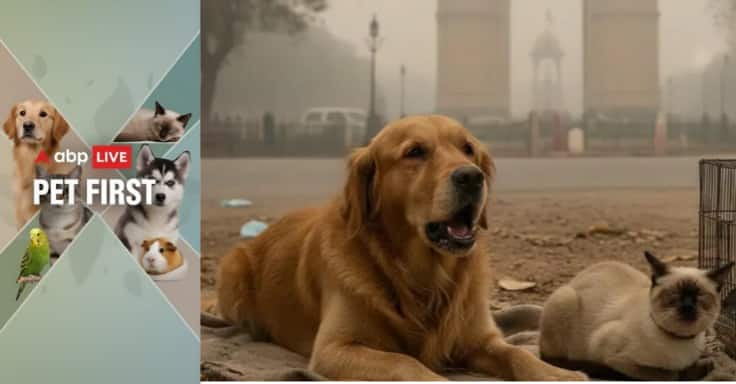
The impact of Diwali celebrations does not end with the festival. Even after the fireworks and celebrations are over, smoke, dust and lingering pollutants can continue to affect air quality, posing health risks to pets. Dogs and cats are particularly vulnerable to poor air quality because exposure to smoke and airborne particles can irritate their respiratory systems and worsen existing health problems.
While pet parents may notice coughing or sneezing, excessive smoke exposure can also cause less obvious symptoms that should not be ignored. Recognising these warning signs early can help prevent respiratory complications and ensure timely veterinary care.
How Does Post-Diwali Pollution Affect Pets?
Firecrackers release smoke, fine particulate matter and harmful gases into the atmosphere. These pollutants can irritate a pet's eyes, nose, throat and lungs when inhaled. Fine particles can also travel deep into the respiratory tract, potentially causing inflammation and breathing difficulties.
Dogs and cats that spend time outdoors, particularly during periods of poor air quality, may face greater exposure. Pets with existing respiratory or heart conditions, older animals and very young pets may be especially vulnerable.
ALSO READ | Choti Diwali 2026 Wishes: Messages To Share With Your Family And Friends On This Auspicious Day
Warning Signs That Your Pet Has Inhaled Too Much Smoke
Pet parents should watch for changes in their animals' breathing, behaviour and physical condition after exposure to polluted air.
1. Persistent Coughing And Sneezing
Frequent coughing, sneezing or throat irritation can indicate that smoke and airborne pollutants have irritated your pet's respiratory tract. If these symptoms continue even after your pet has been moved indoors, consult a veterinarian.
2. Difficulty In Breathing
Rapid breathing, wheezing, noisy breathing or visible effort while inhaling can be signs of respiratory distress. You may notice your pet breathing with its mouth open, particularly in cats, which is a serious warning sign.
If your pet is struggling to breathe, seek immediate veterinary attention rather than waiting for symptoms to settle.
3. Red Or Watery Eyes
Smoke and dust can irritate the sensitive tissues around a pet's eyes. Redness, excessive watering, frequent blinking or pawing at the face may indicate irritation caused by exposure to pollutants.
4. Unusual Tiredness And Low Energy
If your normally active dog or cat suddenly becomes lethargic, avoids playing or appears unusually tired, do not dismiss the change as ordinary post-festival fatigue. Smoke exposure can affect respiratory comfort and overall well-being.
5. Loss Of Appetite
Respiratory irritation and discomfort may affect your pet's appetite. If your pet refuses food, appears uncomfortable or shows other symptoms after exposure to smoke, seek veterinary advice.
6. Excessive Drooling Or Vomiting
Some pets may show signs of irritation or distress through excessive drooling, nausea or vomiting. Although these symptoms can have several causes, they should not be ignored when they appear after exposure to firecracker smoke or other pollutants.
7. Nasal Discharge And Throat Irritation
Smoke exposure can irritate the nasal passages and throat, leading to a runny nose, unusual nasal discharge or repeated swallowing. Some pets may also show discomfort while eating or swallowing.
ALSO READ | Dhanteras 2026: 7 Things You Should Avoid Buying On This Auspicious Day To Prevent Rahu And Shani Dosha
Which Pets Are More Vulnerable To Air Pollution?
Although smoke can affect all animals, certain pets may face a higher risk of complications. These include:
-
Senior pets: Older dogs and cats may be more vulnerable to respiratory stress.
-
Puppies and kittens: Young animals may be more sensitive to environmental pollutants.
-
Flat-faced breeds: Pugs, Bulldogs and Persian cats can already have breathing difficulties, making smoke exposure particularly concerning.
-
Pets with existing health conditions: Animals with asthma, heart disease or other respiratory problems require extra attention.
-
Birds: Pet birds are particularly sensitive to airborne pollutants and should be kept away from smoky environments.
How To Protect Your Pets From Post-Diwali Pollution
Pet parents can take a few precautions to minimise their animals' exposure to lingering smoke and poor air quality.
-
Keep pets indoors: Avoid taking dogs and cats outside unnecessarily when pollution levels are high. Restrict outdoor visits to short bathroom breaks.
-
Keep windows and doors closed: This can help prevent polluted outdoor air from entering your home.
-
Use an air purifier: A HEPA air purifier, if available, can help reduce airborne particles indoors.
-
Avoid outdoor exercise: Postpone walks, running and other strenuous activities until air quality improves.
-
Provide clean drinking water: Ensure that fresh water is always available to keep your pet hydrated.
-
Monitor their behaviour: Watch for unusual breathing patterns, coughing, reduced appetite or changes in activity levels.
These precautions are particularly important for pets with pre-existing respiratory or cardiovascular conditions.
When Should You Take Your Pet To A Veterinarian?
Not every episode of sneezing or eye irritation indicates a serious health problem. However, persistent coughing, wheezing, rapid breathing, unusual weakness or loss of appetite after smoke exposure should be evaluated by a veterinarian.
Difficulty breathing, open-mouth breathing in cats, collapse or severe weakness requires immediate veterinary attention. Do not wait for the symptoms to disappear on their own or attempt to treat respiratory distress with home remedies.
Post-Diwali pollution can remain a concern even after the celebrations have ended. Paying attention to early warning signs, limiting outdoor exposure and maintaining cleaner indoor air can help pet parents protect their animals from the effects of lingering smoke.
[Disclaimer: The information provided in this article is intended for general informational purposes only. It is not a substitute for professional veterinary advice, diagnosis, or treatment. Always consult a qualified veterinarian regarding your pet’s health, diet, or any medical concerns.]
This content is published by ABP Live - Lifestyle and has not been created or edited by Hello Headlines. View original