Doc Talk | Not Just Lung Damage: How Air Pollution Can Affect Your Heart Health
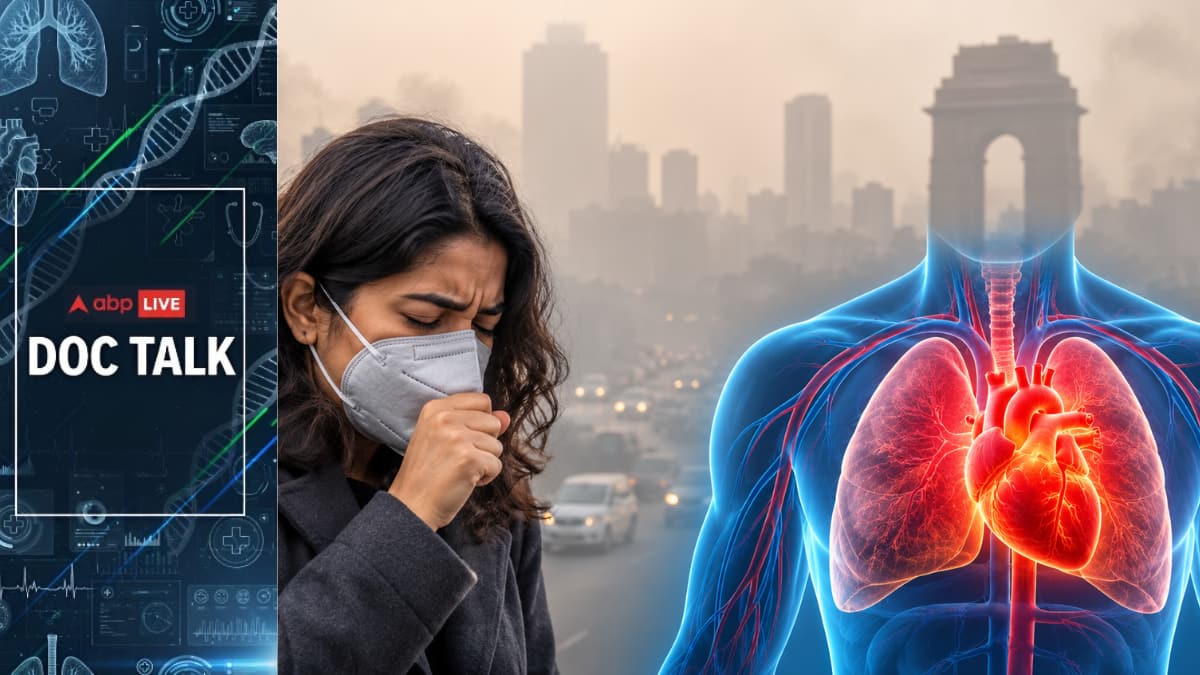
How Does Air Pollution Affect The Heart?
One of the biggest concerns is fine particulate matter, particularly PM2.5. These microscopic particles can travel deep into the lungs, triggering inflammation and oxidative stress. This inflammatory response can extend beyond the respiratory system, affecting blood vessels and normal cardiovascular functioning.
ALSO READ | Doc Talk | Asthma And Air Pollution: Why You May Breathe Fine By Day But Struggle At Night
Can Air Pollution Increase The Risk Of Heart Attack And Stroke?
Both short-term exposure during severe pollution episodes and prolonged exposure over several months or years can increase cardiovascular stress. Air pollution can impair the endothelium, the inner lining of blood vessels responsible for regulating blood flow. It may also contribute to increased blood pressure, disturbances in heart rhythm, inflammation and a greater tendency for blood clot formation. These changes can increase the likelihood of a heart attack or stroke, particularly among individuals with risk factors such as hypertension, diabetes, high cholesterol and smoking.
ALSO READ | Doc Talk | Delhi Air Pollution: What Happens To Your Lungs When You Work Out Outside?
Are Young And Healthy People Also At Risk?
While older adults and people with existing heart or lung conditions are particularly vulnerable, younger and otherwise healthy individuals are not entirely protected. The impact depends on the intensity and duration of exposure, lifestyle, overall health, and individual susceptibility. Repeated exposure may also contribute to cardiovascular damage that develops gradually and remains unnoticed.
Why Are The Lungs And Heart Connected?
The lungs and cardiovascular system are closely interconnected. When polluted air triggers inflammation in the respiratory tract, the resulting physiological stress can affect the entire body, including the heart and blood vessels. Therefore, air pollution should not be viewed merely as a respiratory concern but as a broader public health risk.
How Can You Protect Your Heart From Air Pollution?
Reducing exposure is essential. Individuals should regularly monitor the Air Quality Index (AQI) and limit outdoor activities when pollution levels are high. Strenuous outdoor exercise should be avoided during severe pollution episodes, as increased breathing rates lead to greater inhalation of pollutants. If outdoor exposure is unavoidable, a well-fitted N95 mask can help reduce the inhalation of fine particles. Maintaining indoor air quality and avoiding tobacco smoke can also help.
Warning Signs You Should Not Ignore
Recognising warning signs is equally important. Chest pain or pressure, unusual breathlessness, excessive sweating and sudden dizziness require medical attention. Sudden facial drooping, weakness on one side of the body or difficulty speaking may indicate a stroke and require immediate emergency care.
Having healthy lungs and no history of heart disease does not make anyone immune to polluted air. Monitoring air quality and limiting exposure are important steps towards protecting both heart and respiratory health.
Disclaimer: The information provided in the article is shared by experts and is intended for general informational purposes only. It is not a substitute for professional medical advice, diagnosis, or treatment. Always seek the advice of your physician or other qualified healthcare provider with any questions you may have regarding a medical condition.This content is published by ABP Live - Health and has not been created or edited by Hello Headlines. View original