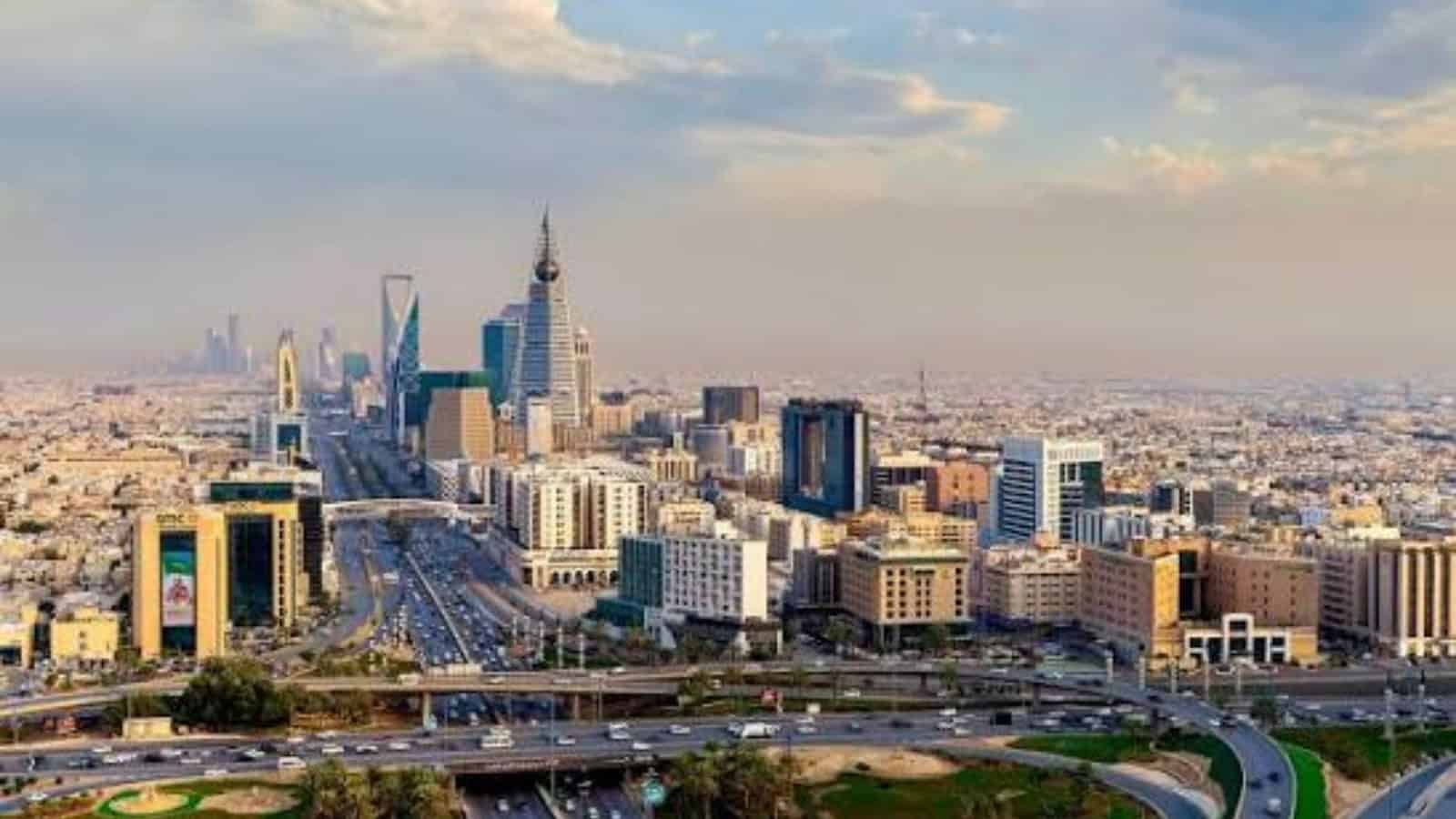
Kiran Desai brings her literary journey to Shillong Literary Festival
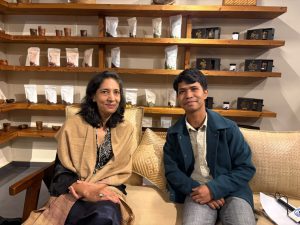
– Joziah Ryan K Lyngdoh
The sixth edition of the Shillong Literary Festival, which was held from November 12 to 14, 2026, brought together authors, writers, young people, children and literature enthusiasts for conversations, learning and an exchange of ideas. Among the highlights of the festival for Sunday Shillong was an exclusive interaction with Booker Prize-winning author Kiran Desai, whose literary works have explored the complexities of human relationships, identity, displacement and belonging.
Desai’s long-awaited visit to Shillong was made memorable by the city’s hills, rain and the familiar sound of water falling on tin roofs, which brought back fond childhood memories. Having grown up cherishing the experience of reading and writing in mountain homes, she found the landscape both familiar and nostalgic. Her arrival was greeted by a spell of rain and hail, something she welcomed with delight, saying she could not have been happier.
“I have a nostalgia for rain in the hills, especially the sound of rain on a tin roof. This was the happiest time of my childhood, going up to the mountains and reading and writing in a mountain home,” she said in an interaction with Sunday Shillong on the sidelines of the festival.
Having waited a long time to visit Shillong, Desai said the landscape was every bit as beautiful as she had imagined. She was equally touched by the warmth of the people, describing them as exceptionally welcoming. For her, literary festivals are special because they offer opportunities to meet fellow readers, writers and students. Beyond sharing her own literary journey, she said she hoped to use her time in Shillong to learn more about the literature emerging from Meghalaya.
Finding the magic of writing
For Desai, writing has always been a process of discovery. Looking back at her first book, which was published when she was 25, she described the experience as an important learning phase in her life. Written when she was still young, the book introduced her to the possibilities of storytelling and, more importantly, made her realise how deeply she loved writing.
“It taught me the magic trick of learning that I could escape into an artistic world,” she recalled.
From political realities to personal emotions
Over the years, her writing has traversed different themes and emotional landscapes. From the political complexities of migration, displacement and migrant labour explored in The Inheritance of Loss, which won the Booker Prize in 2006, to the more intimate exploration of love, loneliness and grief in her latest novel, The Loneliness of Sonia and Sunny, Desai’s work reflects an evolving understanding of the human experience.
She described her latest novel as a much more private work, one that moves away from the broader political questions addressed in her earlier writing to explore the deeply personal experiences that shape people’s lives. Love, loneliness and the grief that follows the death of a parent form the emotional heart of the book.
Interestingly, Desai admitted that writing about these intimate experiences was more challenging than tackling political subjects.
“The political book, in a way, was easier. This is a harder subject to write about. And yet, I think this is why we read it as the place of art as opposed to, say, journalism or history. This is really the sphere of art and literature,” she said.
Loneliness as a bridge between people
 What she hopes readers take away from the novel is not necessarily an understanding of loneliness as an isolated experience, but the realisation that it is something many people share. She hopes the book will deepen readers’ experiences of their own relationships, love and grief, while offering a sense of companionship to those who feel alone.
“I hope it gives lonely people a feeling of company in the world, because I sometimes think that actually loneliness is a mystical bridge over the divides between us,” she said.
For Desai, the hope is that the novel creates a sense of community among people who might otherwise feel disconnected, reminding them that their emotional experiences are not theirs alone.
Finding stories between cultures
 Her reflections on identity and belonging also draw from her own experience of living between different cultures. Having spent considerable time outside India, she recalled initially worrying that leaving the country would mean losing touch with the history and cultural roots that had shaped her understanding of the world.
With her grandparents and parents carrying a family history deeply connected to India, she wondered whether she would be able to write meaningfully about the United States, a country where she did not have the same historical connections.
However, her more recent writing helped her discover that this in-between existence could itself become a rich creative space. Rather than viewing the distance between cultures as a limitation, she began to see it as a world filled with stories, where people, experiences and identities change as they move from one place to another.
“It is a very interesting space because it is where stories change shape and form. They start off as one thing, they become another. People change in the journey between places,” she observed.
What had initially seemed uncertain and constantly shifting eventually became a subject she could explore through her writing. In this sense, the experience of belonging to more than one cultural world has offered her a different perspective on home, identity and the stories that connect people.
When politics enters the world of art
 Beyond the personal and creative challenges of writing, Desai also spoke about the pressures contemporary authors face in an increasingly politically conscious world. She observed that the boundaries between the political and artistic spheres are becoming difficult to separate, with writers often feeling pressure to ensure their work aligns with prevailing social, cultural or political expectations.
“I think a lot of authors feel that pressure because the political world invades the artistic world,” she said.
She pointed out that editors and publishers can also become cautious about the subjects writers choose to explore, creating an environment in which authors may feel compelled to censor their own work. Resisting such pressures, she believes, requires considerable artistic courage and a willingness to remain true to one’s creative instincts.
The sacrifices & rewards of a writing life
 Reflecting on her journey from a young writer to an established literary figure, Desai said her understanding of success had also changed over time. When she began writing, she had little idea of the commitment required to sustain a literary life. What surprised her most was the ability to disappear into her work and continue living within the world she created.
The journey, she acknowledged, had demanded far greater sacrifices than she had anticipated, but the rewards had also exceeded her expectations.
A changing relationship between readers and literature
The changing relationship between readers and literature was another aspect she reflected on,  particularly the growing influence of digital platforms and social media. While acknowledging that these platforms have changed the way people engage with complex stories, she also welcomed the opportunities they have created for readers to share their opinions and connect with others.
Book festivals, she said, have played an important role in bringing readers together, allowing conversations about books to extend beyond critics and reviewers. Social media and the internet have further helped readers overcome geographical barriers, creating communities of people who share similar literary interests.
For writers, this has also changed the idea of an audience. Rather than imagining their readership as belonging to a particular place, authors can now connect with like-minded people across the world.
Making space for Meghalaya’s emerging voices
 As the conversation turned to young and aspiring writers from Meghalaya, Desai emphasised that while established authors visiting the region may be an attraction, she believes the greater purpose of such gatherings should be to showcase literature from Meghalaya and the wider region.
She stressed the need to create platforms where young writers can meet publishers, literary agents and fellow authors who can guide them towards reaching a wider audience. Literary prizes and initiatives that encourage emerging writers, she added, can also provide much-needed  opportunities for those who have stories to tell but are unsure how to take the next step.
For Desai, the true value of a literary festival lies not only in bringing celebrated authors and readers together, but also in opening doors for new voices. And perhaps that is where the most meaningful stories begin with someone finding the courage, the opportunity and the space to tell their own.
As Desai continues to find stories in the spaces between cultures, identities and human emotions, her visit to Shillong offered a reminder of literature’s power to connect people through shared experiences. And perhaps, as she hopes with The Loneliness of Sonia and Sunny, a good story does more than reflect the loneliness we carry; it reminds us that we are never entirely alone.
This content is published by The Shillong Times and has not been created or edited by Hello Headlines. View original