'We Are Still At War': Iran Warns US Against Using Diplomacy To Prepare Another Attack
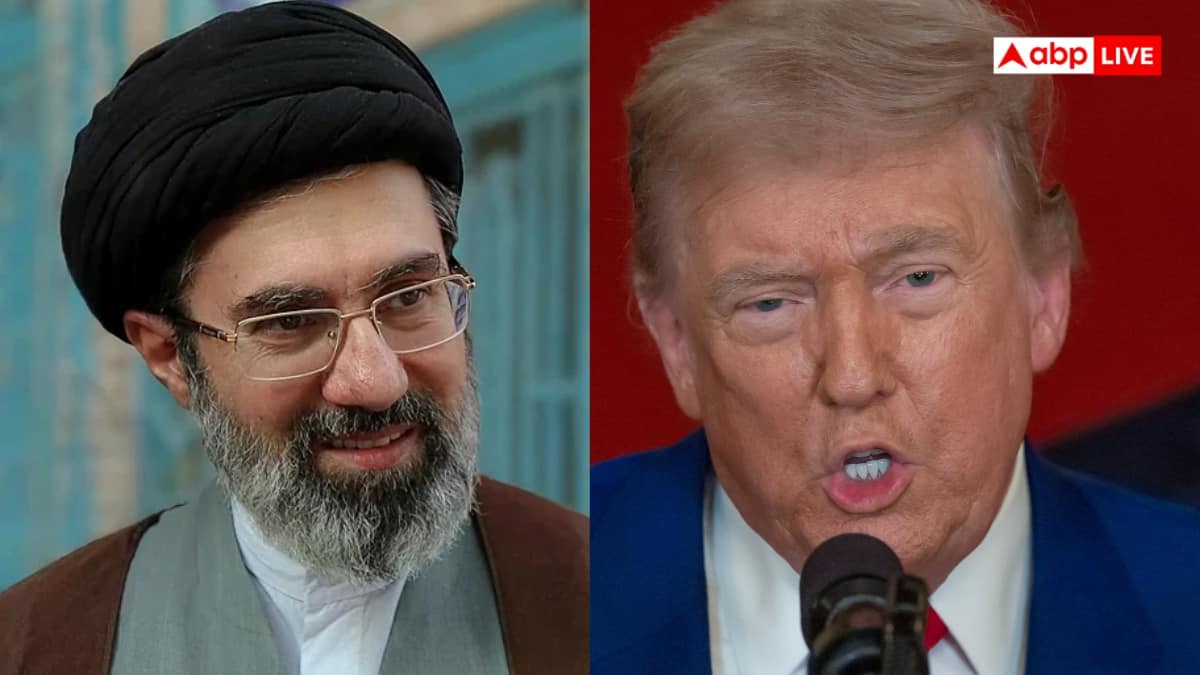
Iran has warned the United States that it will not wait for an American military strike before launching a response, accusing Washington of potentially using diplomatic engagement to prepare for another attack.
Iranian Deputy Foreign Minister Kazem Gharibabadi said Tehran was preparing for three possible scenarios in its dealings with Washington: diplomacy, an economic blockade and military aggression. He cautioned that Iran would not remain passive if the US opted for military action.
In an interview with Iranian state television, carried by the Fars news agency, Gharibabadi also claimed that the Islamic Revolutionary Guard Corps (IRGC) was developing missiles with "new ranges". He further rejected the suggestion that Iran was currently in a situation that could be described as neither war nor peace, insisting that the country remained in a state of war.
Iran Prepares For Three Possible Scenarios
Gharibabadi said Iran was preparing to deal with Washington through diplomatic engagement, an economic blockade or military aggression. His remarks suggested that Tehran remained wary of US intentions despite the possibility of negotiations.
Taking aim at American pressure tactics, he said: "Iran is not Cuba that you can blockade, nor is it Venezuela that you can force to surrender."
He also claimed that US forces had so far failed to achieve their objectives through either an air or land blockade. Gharibabadi's comments came alongside claims that the IRGC was producing missiles with new ranges, signalling Tehran's continued focus on its military capabilities.
The deputy foreign minister also expressed suspicion over Washington's diplomatic overtures, suggesting that the US could be using negotiations to gain time and prepare the ground for another military operation.
'We Are Still At War'
Gharibabadi dismissed the description of the current situation as "neither war nor peace", maintaining that Iran was still technically at war.
"My personal belief is that from a legal perspective, we are still in a state of war and not in a neither-war-nor-peace situation," he said.
His remarks underline Tehran's position that the conflict has not reached a definitive end. He also indicated that Iran was not prepared to view diplomatic engagement as a guarantee against further military action by Washington.
Iran Refuses IAEA Access
Separately, Gharibabadi said the IRGC would not permit the International Atomic Energy Agency (IAEA) to inspect Iran's nuclear facilities until Tehran's conditions were fulfilled and the war had permanently ended.
His remarks came after the UN nuclear watchdog urged Iran to restore access for international inspectors to its nuclear facilities, including sites damaged during the conflict.
Questioning the purpose of the proposed inspections, Gharibabadi said: "The agency's request to visit Iran's damaged nuclear sites is likely an assessment of the effectiveness of American weaponry."
The deputy foreign minister, who previously served as Iran's ambassador to the IAEA, insisted that Washington must first provide assurances that Tehran's conditions would be respected.
"First and foremost, the US must provide the necessary guarantees that all of Iran's conditions will be observed," he said.
Iran's position places the question of access to its nuclear facilities alongside broader demands for guarantees from Washington, with Tehran linking the resumption of inspections to a permanent end to the conflict.
This content is published by ABP Live - World and has not been created or edited by Hello Headlines. View original