BITS Hyderabad team patents solar-powered desalination, cooling system
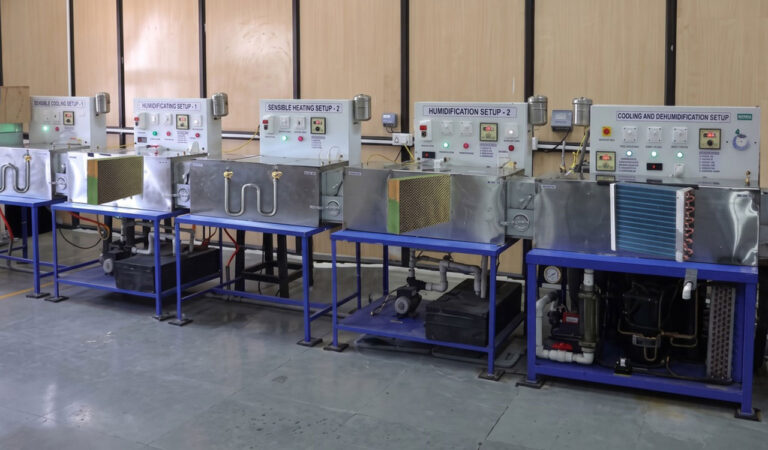
Hyderabad: Researchers at BITS Pilani, Hyderabad, have patented a solar-powered system that simultaneously desalinates (removes salt) seawater into drinking water at just 30 paisa per litre while pumping out chilled air as cold as 14 degrees Celsius.
Designed for vulnerable coastal and island communities facing acute water and cooling shortages, the lab-scale innovation hits a target of 200 litres daily and successfully blends freshwater production with environmental air conditioning into a single, highly cost-effective unit.
The innovation addresses two of the most pressing challenges in hot regions, which are scarcity of freshwater and skyrocketing energy demands for cooling. Secured under Indian Patent No. 558052, the technology is titled ‘Portable solar-powered desalination apparatus and solar-powered method of desalinating water and cooling an environment simultaneously’.
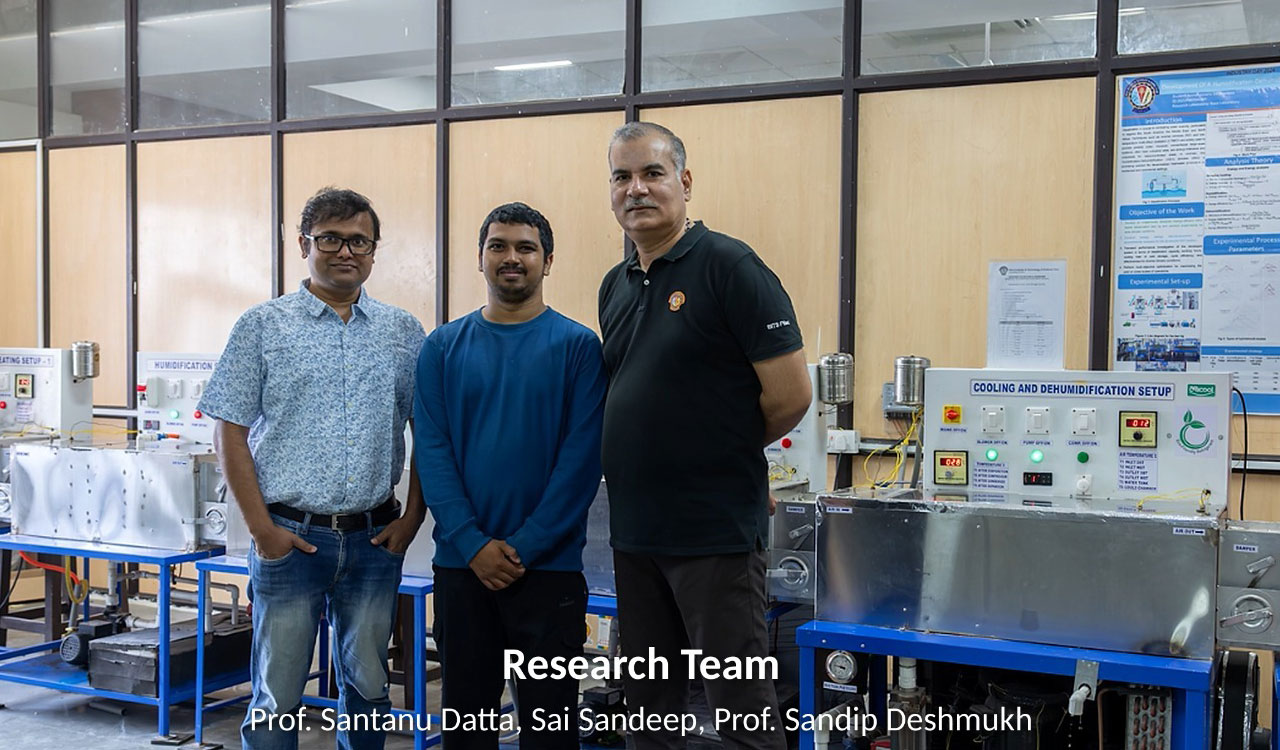
Developed by Prof Sandip S Deshmukh and Prof Santanu Prasad Datta alongside research scholar K Sai Sandeep from the Department of Mechanical Engineering, the system breaks away from conventional approaches that treat water purification and room cooling as separate, power-heavy processes.
Instead, the apparatus heats ambient air and passes it through a humidification unit to absorb moisture from saline or brackish water. As this moisture-rich air is subsequently cooled, water vapour condenses and is collected as clean freshwater, while the resulting cool, dehumidified air is channelled out for environmental cooling applications.
During rigorous performance evaluations under actual ambient conditions, published in the journal Applied Thermal Engineering, the system achieved a maximum freshwater production rate of approximately 12.4 litres per hour in a double-stage configuration with water heating under high-humidity conditions. Concurrently, experiments demonstrated a robust cooling capacity of up to 6.57 kW, a press release said.
Economic and environmental assessments completed during testing pegged the minimum freshwater production cost at an exceptionally economical Rs 0.30 per litre.
Moving forward, the research team plans to adapt the technology to diverse regional microclimates, conduct field trials, and explore strategic industry partnerships for pilot deployment.
This content is published by Telangana Today and has not been created or edited by Hello Headlines. View original