US Used 'Expired' Munitions In Iran War After Recoding Them, Navy Chief Tells Senate
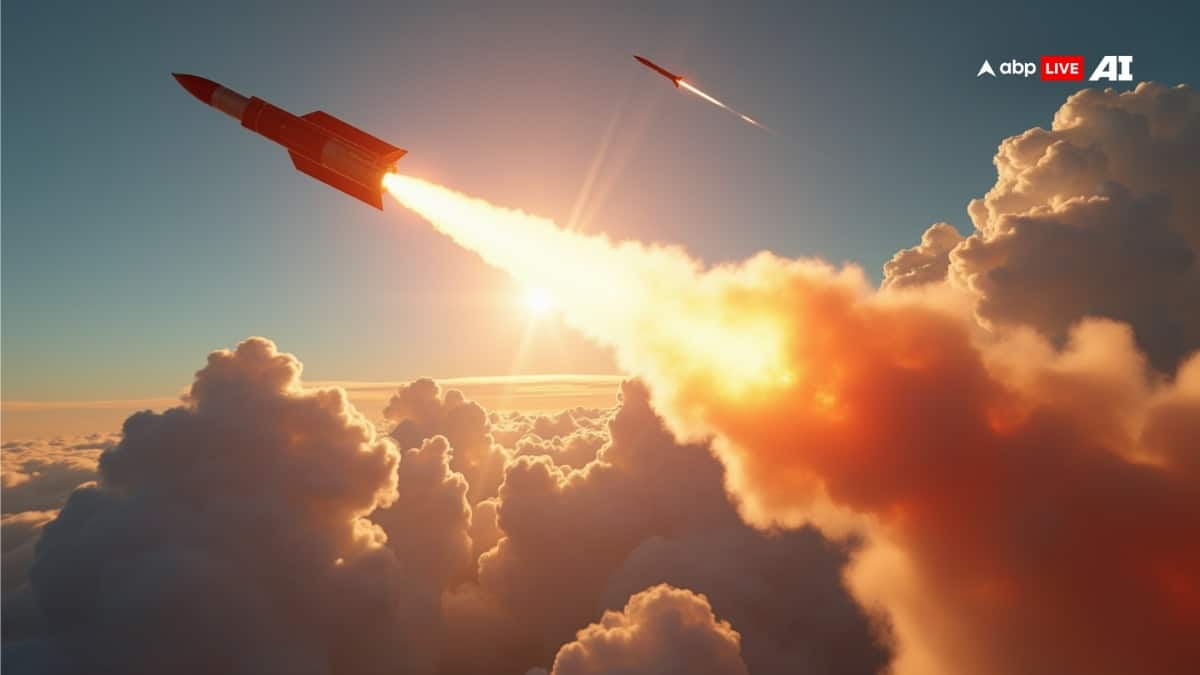
The US military used some expired munitions during its war against Iran after officials recoded them for use, acting Navy Secretary Hung Cao has told US senators. His remarks, in which he compared the process to reviving stale bread with water, have drawn attention amid concerns over America's weapons stockpile and its ability to replenish supplies.
Cao made the disclosure on Tuesday during his Senate confirmation hearing, while responding to questions about the availability of munitions used in Operation Epic Fury.
‘Expired’ Munitions Recoded Before Being Fired
Explaining how the Navy managed its weapons inventory during the conflict, Cao said several munitions that had crossed their expiry dates were recoded before being deployed.
“A lot of the munitions we use in Epic Fury were actually, we were able to recode those. They were Code Echo, Code Foxtrot, which means they’re expired,” he told the Senate panel, as per reports. He then used an analogy from his childhood to explain the process.
“I came from a poor family, right? Things like bread don’t expire. You just rub some water on... and it’s good to go,” he said. “For some of these munitions we recoded them. And so we’re able to shoot off the expired munitions.”
Cao did not disclose the specific types of weapons involved or the number of expired munitions that were eventually used.
ALSO READ: SpiceJet Disruptions Halt Mumbai Departures After 7 PM, Passengers Stranded Overnight Stage Protest
Heated Confirmation Hearing Puts Cao In Spotlight
The remarks came during a contentious hearing of the Senate Armed Services Committee, which is examining Cao's nomination to become Navy Secretary on a permanent basis.
He has served as acting Navy Secretary since April, taking charge on April 22 following John Phelan's departure. At the time, American forces were already engaged in combat operations against Iran. The White House forwarded his nomination to the Senate in September.
Cao was also questioned about the military's ability to secure sufficient supplies of solid rocket motors, which power several types of missiles. He said officials were “looking at every single which way” to address production requirements.
ALSO READ: Tamil Nadu: Cyclone Akvan To Trigger Rain, Chennai To Witness Thunderstorms
Tomahawk Production Ramped Up Amid Stockpile Concerns
Senator Deb Fischer, a Republican from Nebraska, questioned whether the Navy was maintaining the right balance between expensive precision-guided weapons and more affordable munitions that could be manufactured in larger quantities.
Responding to her concerns, Cao said annual Tomahawk cruise missile production had increased substantially. From approximately 125 missiles a year during his military career, output had risen to more than 60 per month.
However, questions remain over whether the US defence industry can replenish weapons consumed during the conflict.
A Pentagon Inspector General report released in September highlighted the scale of the challenge. Citing findings from the Office of the Under Secretary for Acquisition and Sustainment, it said munitions used during the Iran war had caused “strategic inventory shortfalls and revealed industrial base bottlenecks for munitions resupply.”
This content is published by ABP Live - World and has not been created or edited by Hello Headlines. View original