CJP protest: How to tell reel-makers from journalists? Delhi Police asks SC
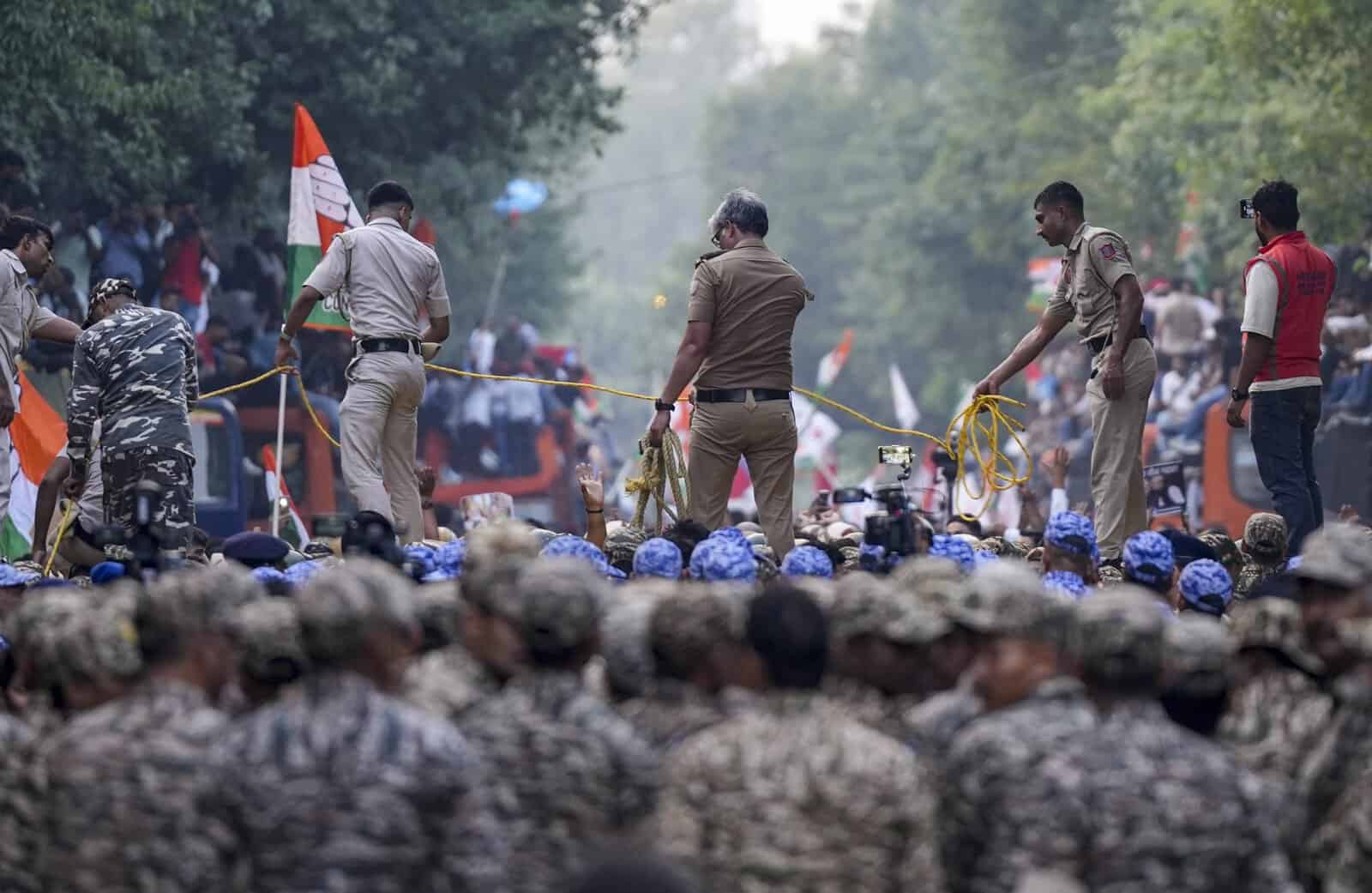
New Delhi: The Delhi Police told the Supreme Court that no mandate requires that women protesters be handled by women officers only and sought distinction between “reel-makers” and journalists.
Joint Commissioner of Police, Surendra Kumar, submitted an affidavit to the top court, which said journalists “constitute a distinct category,” unlike social media influencers who carry cameras and microphones to share videos for commercial profit. The police argued that the influencers cannot claim the same protections guaranteed to the press while covering protests.
The affidavit was a response to petitions filed by Free Speech Collective, Delhi Union of Journalists, the Kerala Union of Working Journalists, and the Network of Women in Media. They claimed Delhi Police used arbitrary and excessive force against reporters at the anti-Chief Election Commissioner protests in October.
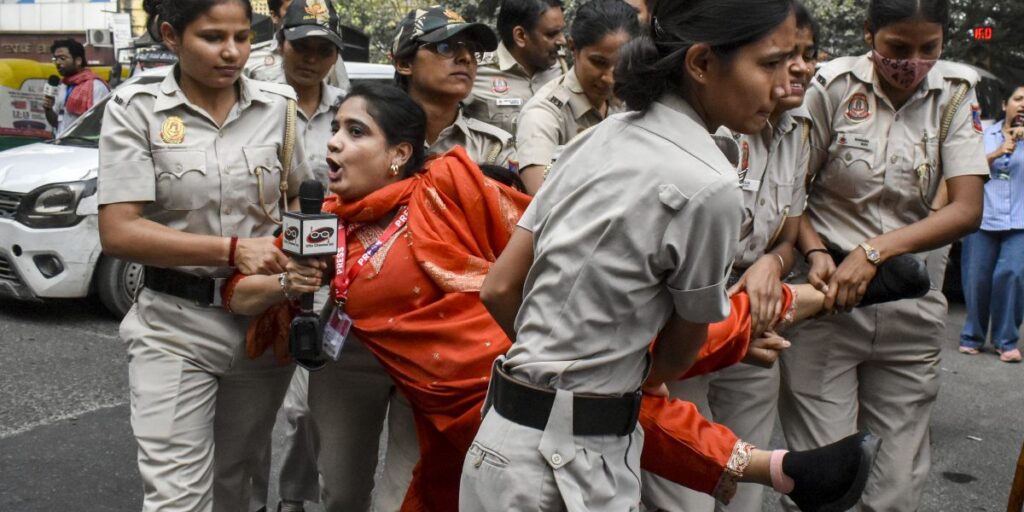
It remains undetermined whether individuals who make reels and upload them while exploiting the content they create can be elevated to the status of journalists or reporters, Delhi Police said.
SC order protects reel-makers, unruly elements: Police
The Supreme Court, on October 11, ordered that journalists, lawyers and other professionals should not be stopped from doing their work “in any manner whatsoever”.
According to the Delhi Police, this direction “protects journalists in the discharge of their professional duties and does not, and was not intended to, exempt the so-called reel-makers and social media influencers or unruly elements from the operation of the general law or from compliance with the lawful directions of the Law Enforcement Agencies at the site of a prohibited assembly”.
‘Hold freedom of press in highest regard’
Delhi Police asserted that they hold “the freedom of the press in the highest regard” and are firmly committed to “respecting and safeguarding the rights of professional journalists to gather, record and disseminate information, which constitute an integral facet of the freedom of speech and expression guaranteed under Article 19(1)(a) of the Constitution of India.”
The affidavit clarified that police never sought to interfere with or obstruct journalists during the protests or at any other time.
“At no point was there any deliberate or concerted action on the part of the Delhi Police to obstruct, restrict or interfere with journalists who were lawfully discharging their professional duties,” the affidavit read.
Police said any individual apprehended mistakenly was “immediately released upon verification and ascertainment of their actual identity.”
It pointed out that even with a large number of unauthorised protesters at the site, journalists from mainstream, national, regional, international, unaccredited, and accredited media were permitted to freely record the demonstrations.
‘Many falsely claimed to be journalists in illegal protest’
It reiterated that there were several people in the “illegal protests” who were not journalists “but were using a camera and a microphone, falsely claiming to be journalists.”
The affidavit added that even such content creators were not obstructed or hindered “except in cases where maintenance of public order and law and order so required”.
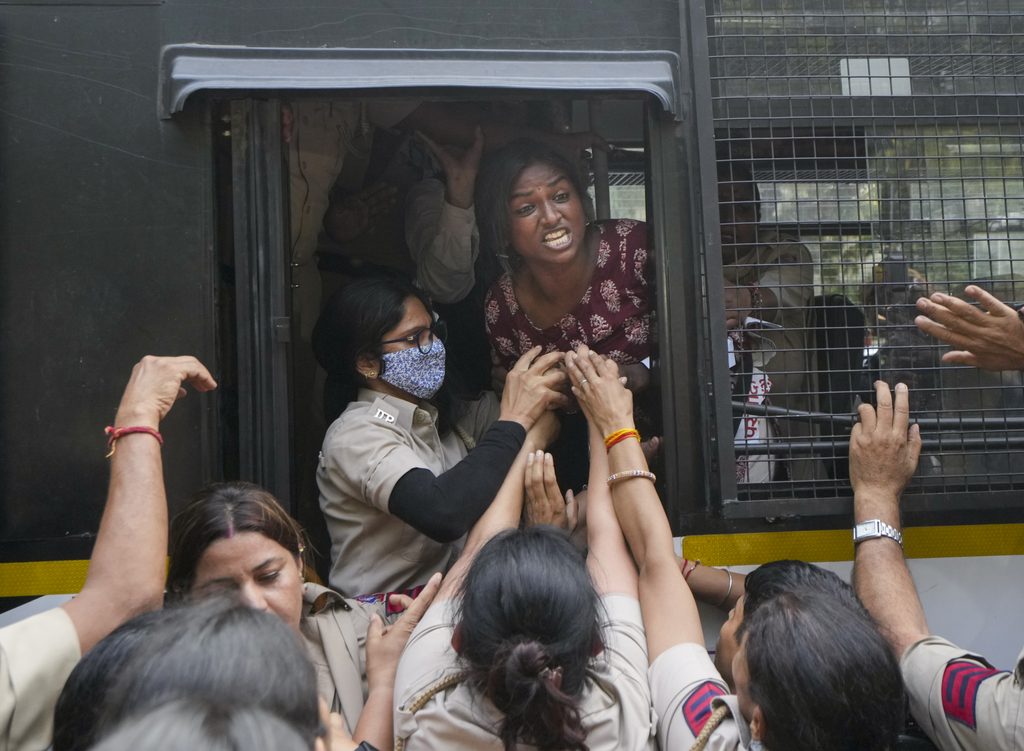
“Having regard to the sheer magnitude and density of the gathering, the prevailing circumstances and the rapidly evolving situation, it was not always possible for the police personnel on the ground to immediately distinguish media personnel from protestors, particularly where individuals were moving within the crowd and in the immediate vicinity of police operations.”
No mandate requires women to be handled by women officers
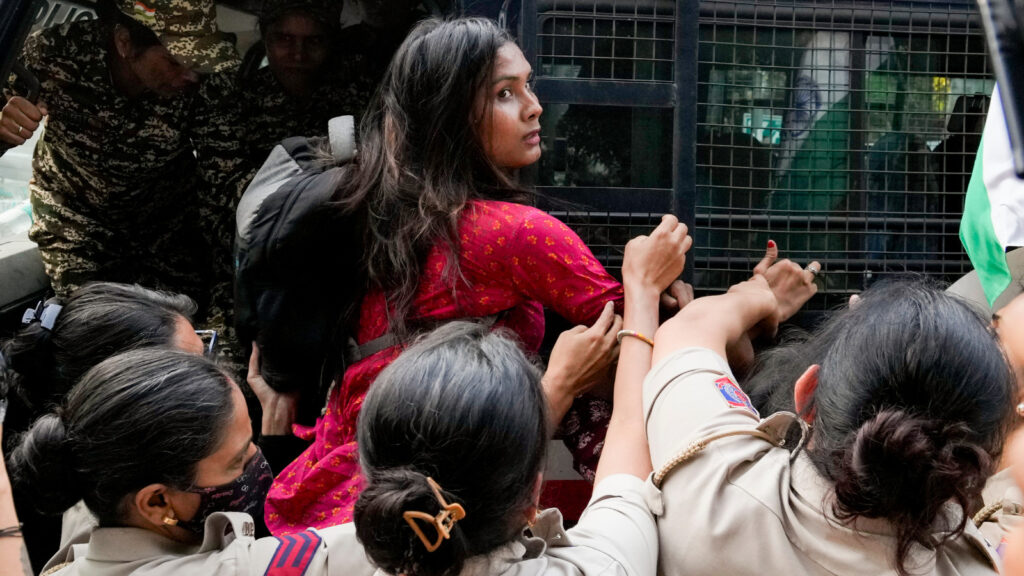
The petitions also accused authorities of manhandling women protesters and journalists, to which the Delhi Police said that women officers handling women is not a “statutory mandate” in such operations.
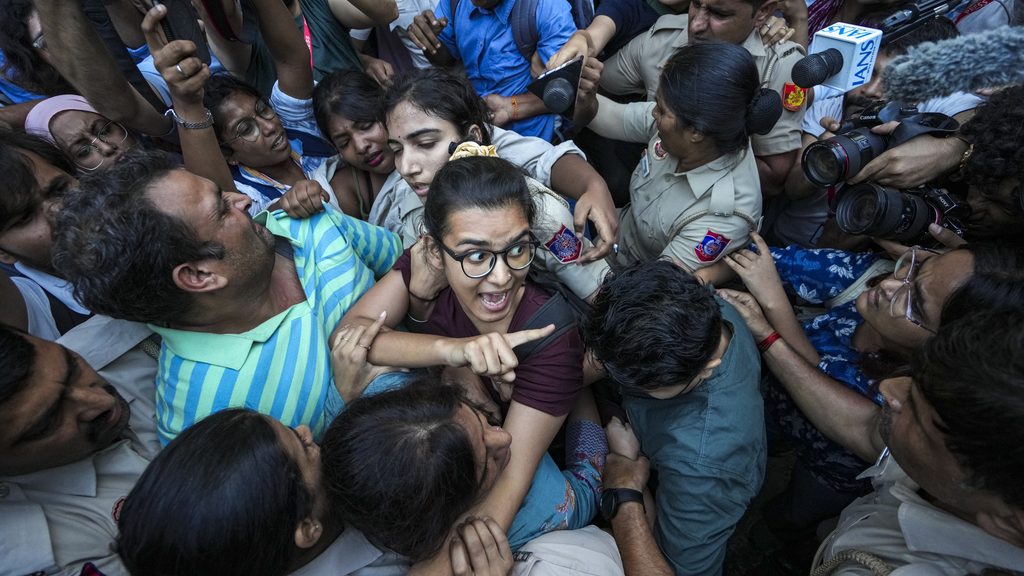
“With regard to the allegations of manhandling of women journalists, it is respectfully submitted that the requirement of women personnel handling women is not a statutory mandate in the context of crowd-control operations, in the same manner as it is expressly prescribed under the Bharatiya Nagarik Suraksha Sanhita 2023 in relation to searches and arrests,” the affidavit read.
Delhi Police said deploying women officers for crowd-control was an “operational consideration” based on factors such as maintaining propriety, avoiding unnecessary confrontation, and defusing tensions, particularly when women are protesting.
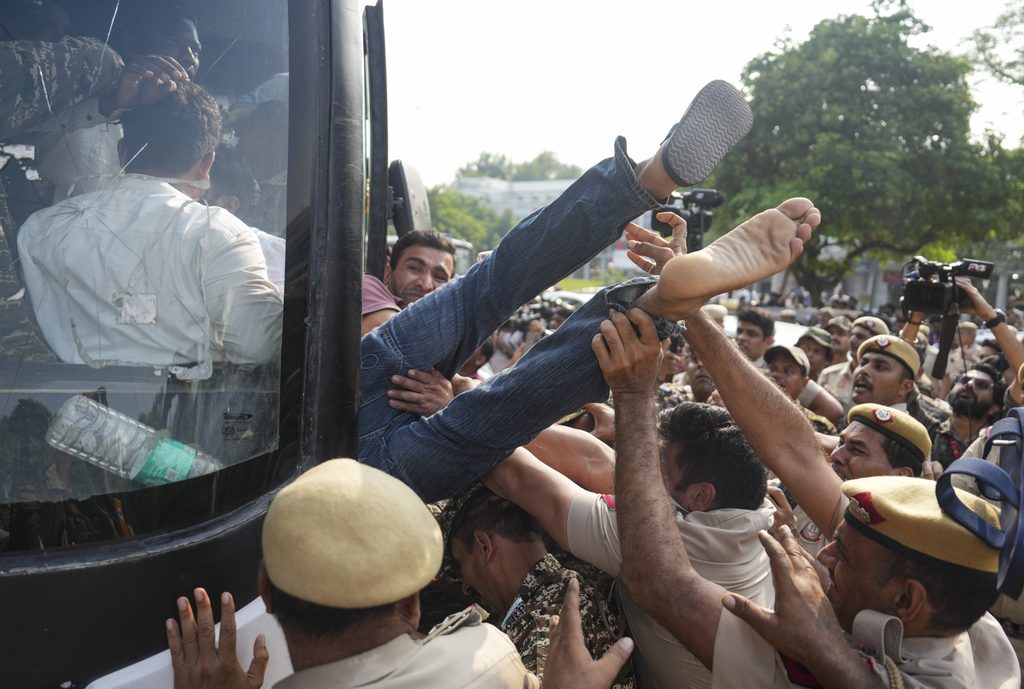
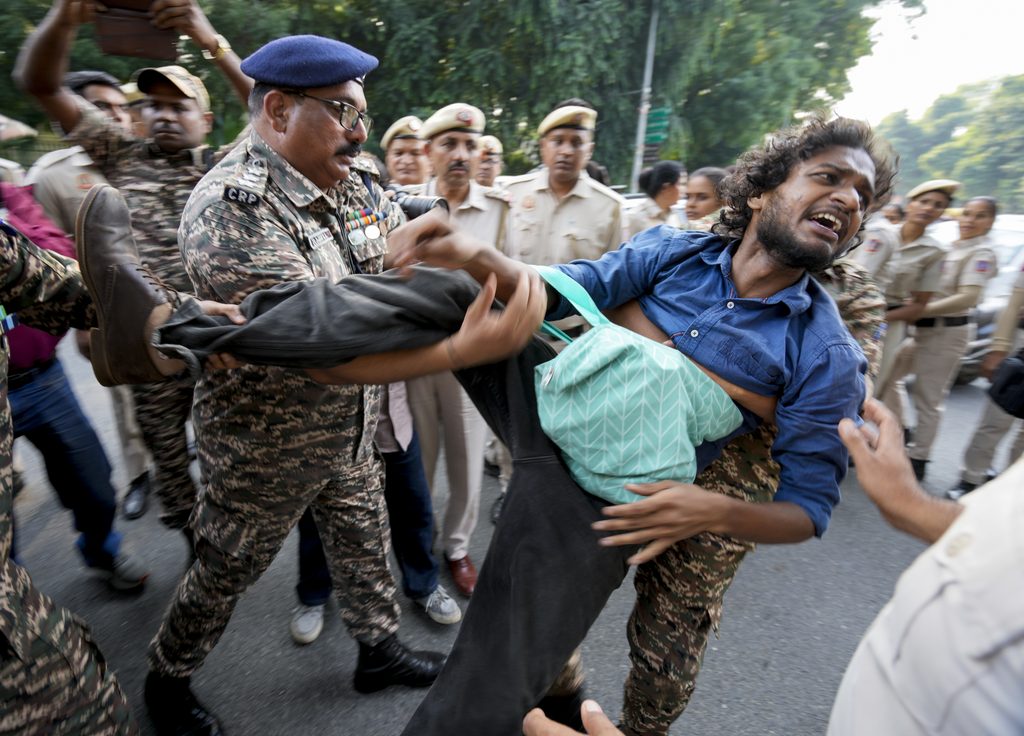
It argued that the mere presence or involvement of male police officers in crowd-control operations during the protests does not amount to misconduct.
Male officers are not restricted from acting as first responders, nor are they stopped from helping a female police officer. “Such decisions have to be taken in a fraction of a second.”
It maintained that police action was directed “solely towards dispersing and removing the protestors from the illegal protest sites and restoring public order.” Their actions were neither intended nor directed towards detaining, restraining or obstructing any media personnel in the lawful discharge of their professional duties, the Delhi Police added.
Get the latest updates in Hyderabad City News, Technology, Entertainment, Sports, Politics and Top Stories on WhatsApp & Telegram by subscribing to our channels. You can also download our app for Android and iOS.
This content is published by The Siasat Daily and has not been created or edited by Hello Headlines. View original