5 Life-changing lessons from It's Okay by Jaya Kishori
Life rarely unfolds exactly as we imagine. Sometimes, despite our best efforts, things fall apart. Relationships change, plans fail, people disappoint us, and situations arise that leave us questioning ourselves.
In such moments, we often feel pressured to stay strong, hide our emotions and pretend that everything is fine. But what if we allowed ourselves to admit that things are not okay?
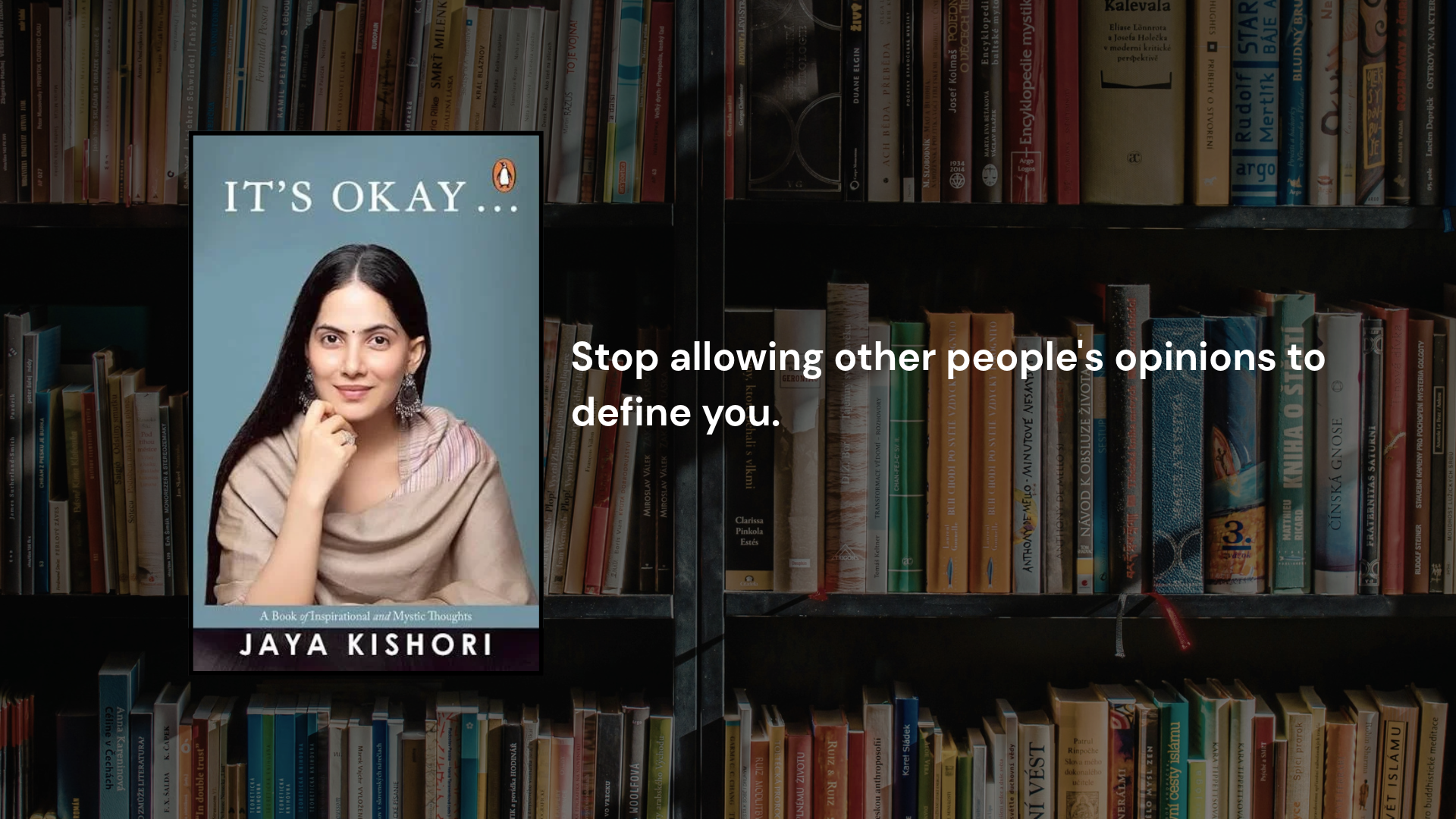
In It's Okay: A Book of Inspirational and Mystic Thoughts, Jaya Kishori offers a comforting perspective on dealing with life's challenges. Rather than encouraging readers to ignore their struggles, the book reminds them that problems, emotional setbacks and difficult experiences are natural parts of being human. It encourages readers to acknowledge their circumstances, develop a healthier perspective and find ways to move forward.
Drawing on personal experiences, spiritual teachings and stories passed down through generations, Jaya Kishori explores how people can approach life's uncertainties with greater understanding and emotional strength.
5 Life lessons from It's Okay by Jaya Kishori
1. Accepting your reality is the first step towards healing
One of the most important things we struggle with is accepting situations that do not go according to our expectations. We spend days questioning why something happened, wishing things had turned out differently or comparing our present circumstances with the life we once imagined.
However, constantly resisting reality does not change what has happened. It only makes it harder to find peace. The book encourages readers to understand that accepting a situation does not mean being happy about it or agreeing with everything that happened. It simply means acknowledging the truth instead of exhausting yourself by fighting something that is already beyond your control.
For instance, if you experience failure, lose an opportunity or go through a difficult phase in a relationship, accepting the situation allows you to understand what happened and decide what to do next.
The takeaway: You cannot always control what happens in life, but you can choose how you respond to it. Accepting reality gives you the clarity to stop dwelling on the past and start working towards a better future.
2. It is okay to acknowledge your emotions
Many people believe that being strong means never crying, feeling disappointed or expressing vulnerability. They hide their sadness behind smiles, tell everyone that they are fine and avoid discussing what is actually troubling them.
But ignoring emotions does not make them disappear. An important lesson to take from the book is that experiencing difficult emotions is a natural part of life. You do not have to feel happy every day, and you do not need to pretend that nothing affects you. Whether you are feeling lonely, anxious, disappointed or overwhelmed, acknowledging those emotions is an important step towards understanding yourself.
Instead of judging yourself for feeling a certain way, give yourself the space to understand what is causing those feelings. Sometimes, talking to someone you trust, taking a break or simply allowing yourself to process an experience can make a difference.
There is also a difference between acknowledging your emotions and allowing them to control your decisions. You can accept that you are hurt without letting that hurt define your entire life.
The takeaway: Emotional strength does not mean suppressing your feelings. It means understanding them, accepting them and learning how to deal with them more healthily.
3. Stop allowing other people's opinions to define you
We live in a world where people constantly have something to say about our choices, appearance, careers, relationships and personal lives. Sometimes, even a small comment from someone can make us question our abilities or feel inadequate.
Over time, we may start making decisions based on what others expect from us rather than what genuinely matters to us. This creates unnecessary pressure and takes away our ability to appreciate our own journey. The lesson here is to understand that everyone sees life through their own experiences, beliefs and expectations. What works for someone else may not necessarily work for you. Similarly, someone else's opinion about your life does not automatically make it the truth.
It is important to listen to constructive feedback, but there is no need to carry every criticism or allow every comment to affect your self-worth. You deserve to make decisions that align with your values and aspirations, even when everyone does not understand them.
The takeaway: Your worth should not depend on how others perceive you. Learn to value your own decisions, recognise your strengths and stop seeking approval from everyone around you.
4. Let go of what you cannot change
One of the biggest reasons people struggle to find peace is their attachment to things that are no longer within their control.
We revisit old conversations, regret decisions, think about missed opportunities and wonder what would have happened if we had chosen differently. While reflecting on the past can help us learn, constantly living in it prevents us from appreciating the present.
Letting go is not always easy, especially when something or someone has been an important part of your life. It takes time to accept certain endings, forgive yourself for past mistakes and make peace with experiences that did not turn out as expected.
However, holding on to every disappointment does not bring back what you have lost. Sometimes, moving forward requires accepting that certain chapters have ended.
This does not mean forgetting your experiences. It means taking the lessons from them without allowing them to become a permanent source of pain.
The takeaway: You cannot rewrite yesterday, but you can decide how you want to live tomorrow. Let go of unnecessary emotional baggage and give yourself the opportunity to experience life beyond your past.
5. Choose faith and a positive perspective during difficult times
Life can be unpredictable. There will be moments when you work hard but do not see results, when your plans fall apart or when you cannot understand why certain things are happening.
During such phases, it is easy to lose hope and believe that things will never improve. The book brings attention to the importance of spiritual understanding, faith and maintaining a positive outlook when dealing with life's challenges. Having faith does not mean expecting everything to happen exactly as you wish. Instead, it means developing the strength to face uncertainty without losing hope.
A positive perspective also does not require you to ignore your problems. It encourages you to look for possibilities, learn from difficult experiences and believe that your present circumstances do not have to determine your entire future.
For readers who find comfort in spirituality, prayer, reflection and faith can also become meaningful ways to navigate emotionally challenging periods.
The takeaway: Not every difficult experience will make sense immediately. Have faith, keep making sincere efforts and remind yourself that one challenging phase does not define your whole life.
Final thoughts
It's Okay by Jaya Kishori offers a reassuring reminder that life does not have to be perfect for us to find happiness and peace. We all experience difficult days, unexpected disappointments and moments when we feel lost. What matters is how we understand these experiences and allow ourselves to grow through them.
The five lessons from the book encourage us to accept reality, acknowledge our emotions, value ourselves, let go of the past and maintain faith during uncertain times.
Perhaps the most meaningful message is that saying "It's okay" should not become an excuse to ignore problems or tolerate situations that hurt us. Instead, it should give us the courage to acknowledge what is happening, face it honestly and take steps towards finding a solution.
Because sometimes, the first step towards changing your life is accepting that you do not have to have everything figured out right now.
This content is published by YourStory and has not been created or edited by Hello Headlines. View original