Soon, Waste Interceptors On Mithi River As The Ocean Cleanup Sign MoU With BMC For Nine New Sites
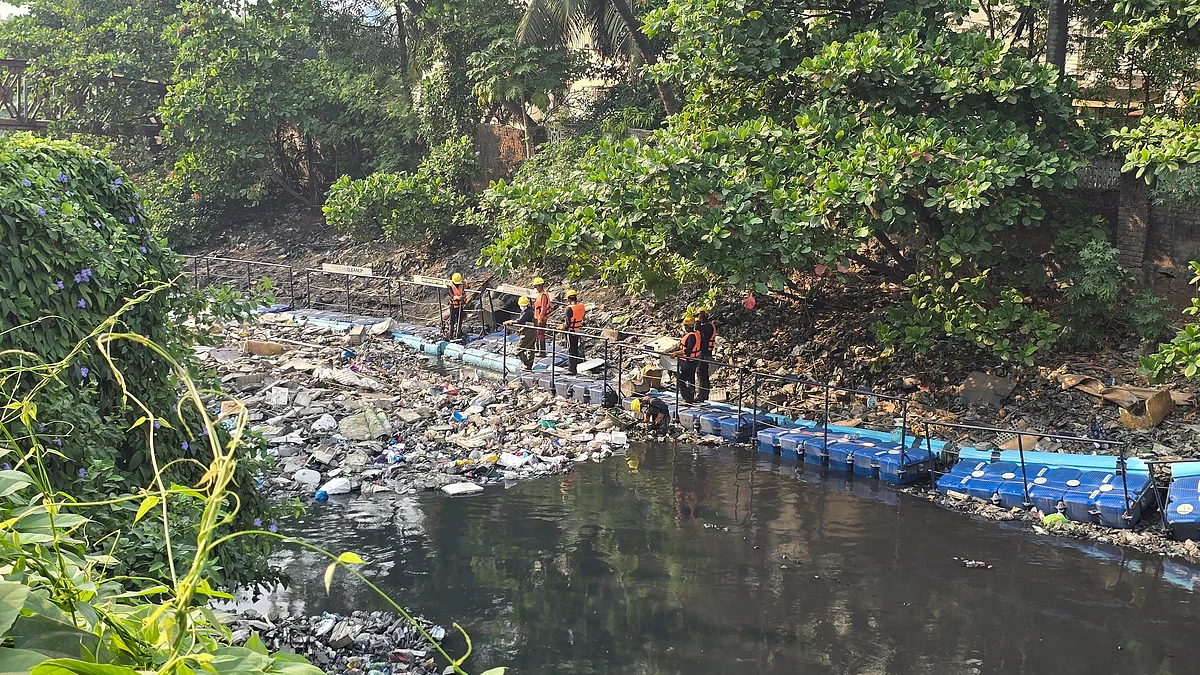
Mumbai: Three trash interceptors will be placed in the Mithi River to prevent inorganic waste from entering the Arabian Sea, according to the new agreement between global non-profit organisation The Ocean Cleanup and the Brihanmumbai Municipal Corporation. The collaboration aims to expand operations to nine more locations across the city after two interceptors have collectively removed over 119 tonnes of waste.
The Ocean Cleanup, dedicated to ridding the world’s oceans of plastic pollution, started working in India earlier this year. The organisation commenced its work in Mumbai, where it installed trash interceptors at Trombay Creek and Malad Creek, removing 102 tonnes and 17.5 tonnes of inorganic waste, respectively, under the 30 Cities Programme – which aims to reduce global plastic emissions from some of the most plastic-polluting cities into the world’s oceans by up to one-third by the end of the decade.
Three Interceptors Planned For Mithi River
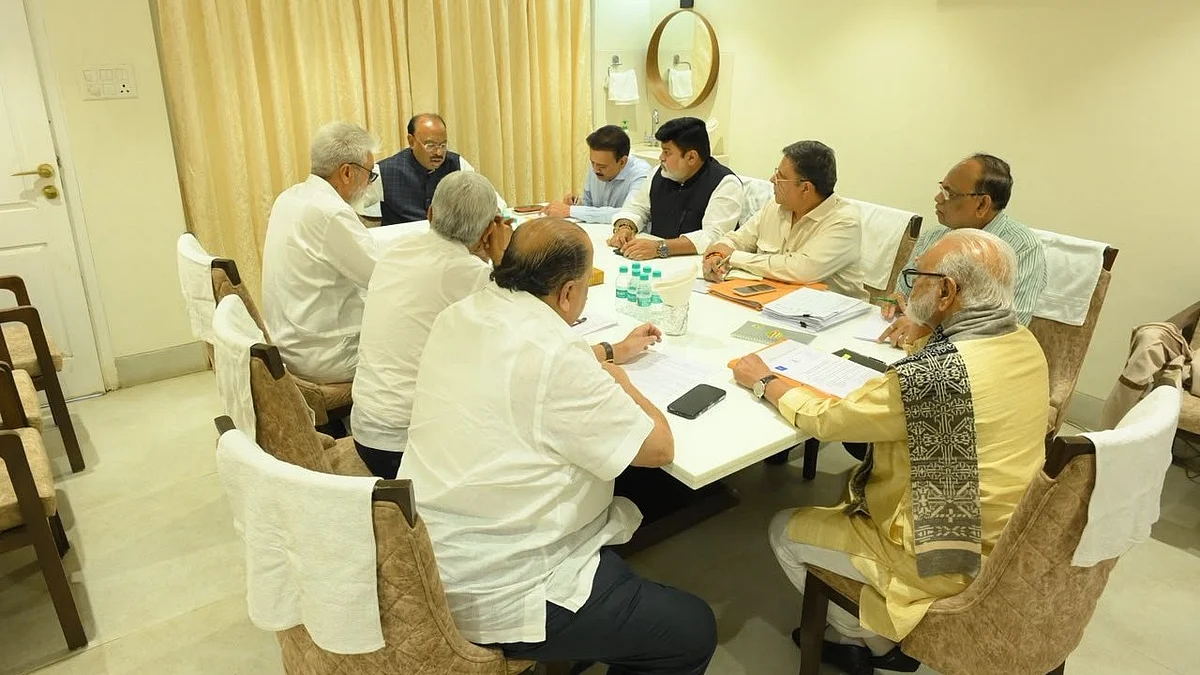
On Wednesday, The Ocean Cleanup signed an agreement with BMC to secure permits for interceptor deployments at nine more locations. According to the NGO’s founder and CEO, Boyan Slat, three of these nine interceptors will be deployed in the Mithi River while the rest will be deployed at Trombay and other places.
“Mumbai is an important part of our efforts to tackle riverine plastic pollution and the successful operation of our Interceptors in Trombay and Malad marks a significant step forward. Having removed nearly 120 tonnes of waste, we have demonstrated what targetted river interception can achieve on the ground. Our partnership with the BMC will be instrumental in building on this progress, enabling us to expand into additional waterways and reach more sources of plastic pollution before waste can enter the ocean,” he said.
BMC Commissioner Ashwini Bhide said, “The BMC is committed to protecting Mumbai’s rivers, mangroves and marine ecosystems through a combination of innovative solutions, strong civic action and strategic partnerships. As part of BMC’s broader environmental agenda, this initiative complements our ongoing efforts towards sustainable waste management, mangrove conservation and the long-term resilience of Mumbai’s waterways and coastline.”
Thane River Pollution: MP Shrikant Shinde Orders Drone Surveys Of Ulhas & Waldhuni Rivers To Identify Industrial Waste & Sewage Discharge SourcesFunding And Waste Collection Operations
To support its work in India, The Ocean Cleanup has secured investment from AT Capital and The Optiver Foundation, alongside collaboration with local implementation partners United Way Mumbai and Plastic Fischer.
Germany-based Plastic Fischer, which works to reduce plastic waste in the ocean, has been implementing the groundwork in India for The Ocean Cleanup. The organisation’s FTO, Aviel Itzhak, said, “Every day our team, including waste collectors and a supervisor, remove inorganic waste collected by the interceptor, which is then sent to material recovery facilities in Malad and Mulund. Sadly, over 90% of the collected waste is non-recyclable.”
Mumbai's Plastic Pollution And Coastal Impact
Research by The Ocean Cleanup estimated that Mumbai releases nearly 5 million kg of plastic waste into the Arabian Sea and the wider Indian Ocean annually. The impact zones of The Ocean Cleanup’s Interceptors in Mumbai are said to span approximately 180 sq. km of critical biodiversity systems – including mangrove forests, coral reefs and seagrass beds, in addition to about 4,700 sq. km of coastal waters. The programme aims to reduce pollution-linked losses to livelihoods, tourism and public health of the 1.9 million people who are dependent on these coastal ecosystems.
Also Watch:
Globally, The Ocean Cleanup has removed 69 million kilograms of trash from oceans and rivers and deployed 26 Interceptors across 12 countries. Its work in Mumbai forms part of its broader mission to tackle plastic pollution at its source by intercepting waste in rivers before it reaches the ocean.
Community Awareness Remains Important In Mumbai
The Ocean Cleanup’s regional director for Asia, Tripti Aggarwal, said, “Mumbai is a unique location due to its simple topography but dense population density. While at other places, sensitising communities is not a major challenge, it carries a lot of importance in Mumbai as we have a lot of informal settlements along the nullahs.”
To get details on exclusive and budget-friendly property deals in Mumbai & surrounding regions, do visit: https://budgetproperties.in/
This content is published by Free Press Journal and has not been created or edited by Hello Headlines. View original