A New Yalta In Making? What Trump, Xi And Putin’s Shenzhen Meeting Could Mean For World
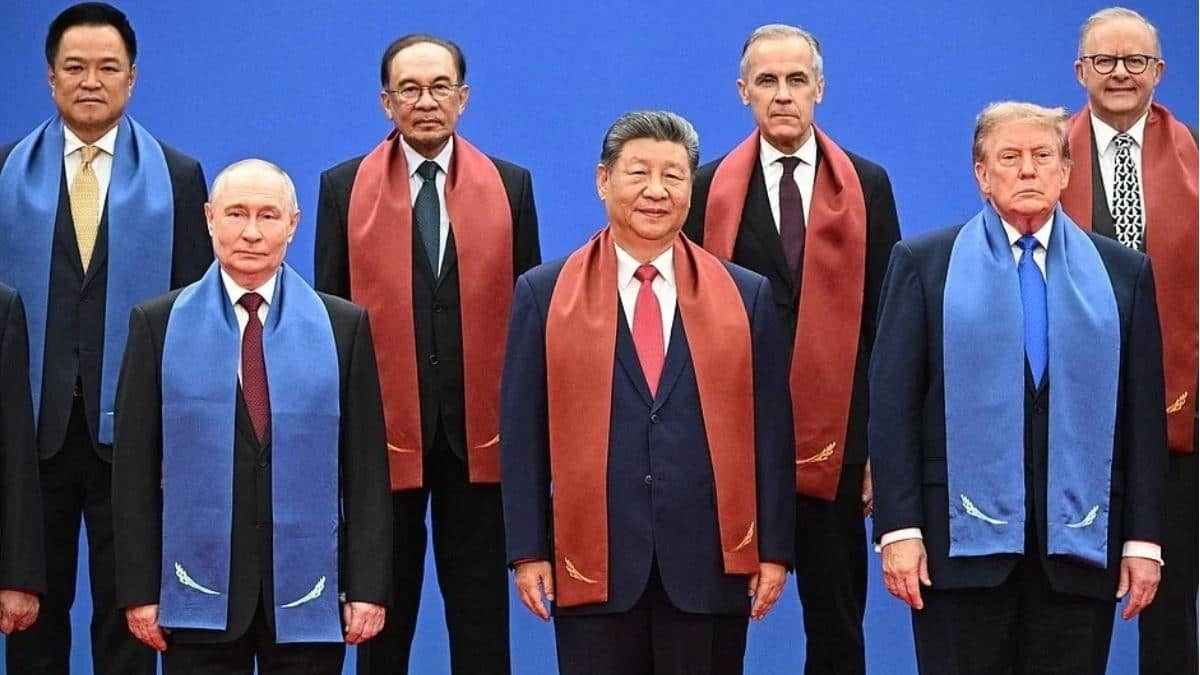
The world is once again watching three major powers come together at a time of geopolitical uncertainty. In 1945, US President Franklin D Roosevelt, British Prime Minister Winston Churchill and Soviet leader Joseph Stalin discussed the shape of the post-World War II world. In 2026, Donald Trump, Xi Jinping and Vladimir Putin face a different set of questions, but the stakes remain global. Could history be on the verge of repeating itself?
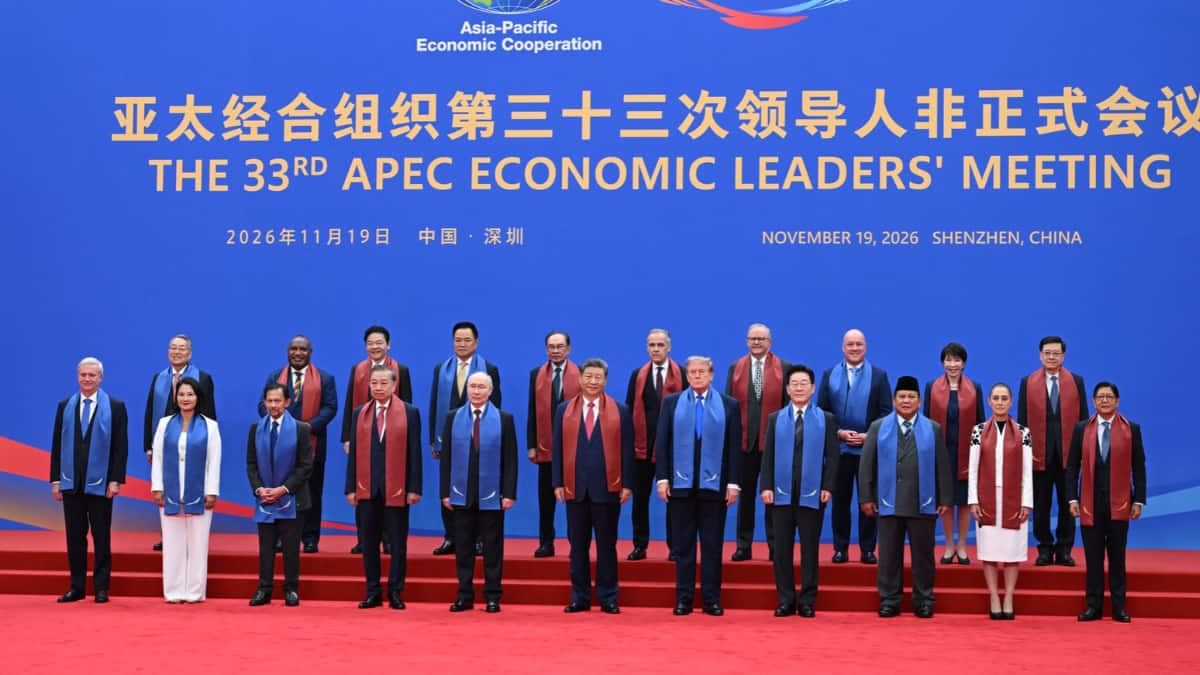
The spotlight is now on China's Shenzhen, where US President Donald Trump, Chinese President Xi Jinping and Russian President Vladimir Putin are holding a trilateral meeting. The gathering is being compared to the 1945 Yalta Conference because leaders of three major powers are once again discussing questions concerning the international order and global security. However, the circumstances surrounding the two meetings are markedly different.
In February 1945, Roosevelt, Churchill and Stalin met in Yalta, Crimea, as World War II approached its end. Germany's defeat was all but certain, but several crucial questions remained unresolved, including the future of Europe, the administration of Germany, Poland's political system and the Soviet Union's role in the war against Japan.
What Made The Yalta Conference So Significant?
The eight-day Yalta Conference, held from February 4 to 11, 1945, produced important agreements on the post-war settlement. The three leaders discussed dividing Germany into occupation zones, the process of establishing the United Nations and the future political arrangement in Europe.
The conference played a crucial role in laying the foundations of the post-war international order. However, disagreements later emerged over the extent of Soviet influence in Eastern Europe. These differences deepened tensions between the Western powers and the Soviet Union, eventually contributing to the Cold War.
How Different Is The Shenzhen Meeting From Yalta?
More than eight decades later, the circumstances in Shenzhen are very different, even though the consequences could again extend across the world. Unlike the three leaders at Yalta, who were wartime allies, Trump, Xi and Putin are approaching the negotiating table with competing strategic, political and economic interests.
For Trump, key issues include reducing nuclear arsenals and the war involving Iran. Putin is looking at the possibility of improving ties with Washington, the war in Ukraine and Western sanctions against Russia. Xi, meanwhile, is focused on China's global influence, US tariffs, technology restrictions and trade interests.
The question of nuclear arms control is another major issue. The New START treaty between the US and Russia expired in February 2026, leaving the two countries without the agreement's framework for limiting their strategic nuclear arsenals. Trump wants China to be part of any future arrangement on nuclear weapons. However, Beijing's nuclear arsenal remains considerably smaller than those of Washington and Moscow, making it difficult to bring China into negotiations on equal terms.
A New Global Power Equation?
Another important difference between Yalta and Shenzhen is the changing balance of global power. Britain was one of the three principal participants in the 1945 conference, while China has now emerged as a central player in global geopolitics.
The discussions between Trump, Xi and Putin could also have implications for countries and regions that are not represented at the table. The future of Ukraine, Europe and Iran could be affected by the decisions or understandings reached by the three leaders, despite their absence from the meeting.
Will Shenzhen Become Another Yalta?
It would be premature to describe the Shenzhen meeting as a new Yalta Conference. The 1945 gathering produced concrete agreements on the post-war settlement, while the three leaders meeting in China have significant differences in their priorities and strategic interests.
The historical importance of the Shenzhen meeting will ultimately depend on what it delivers, rather than the symbolism of bringing three powerful leaders together. The central question is whether Trump, Xi and Putin can find common ground despite their rivalries and agree on a shared approach to the challenges shaping the future of the world.
This content is published by ABP Live - World and has not been created or edited by Hello Headlines. View original