India Records 80% Decline In Malaria Case; Climate Change Could Reverse The Gains
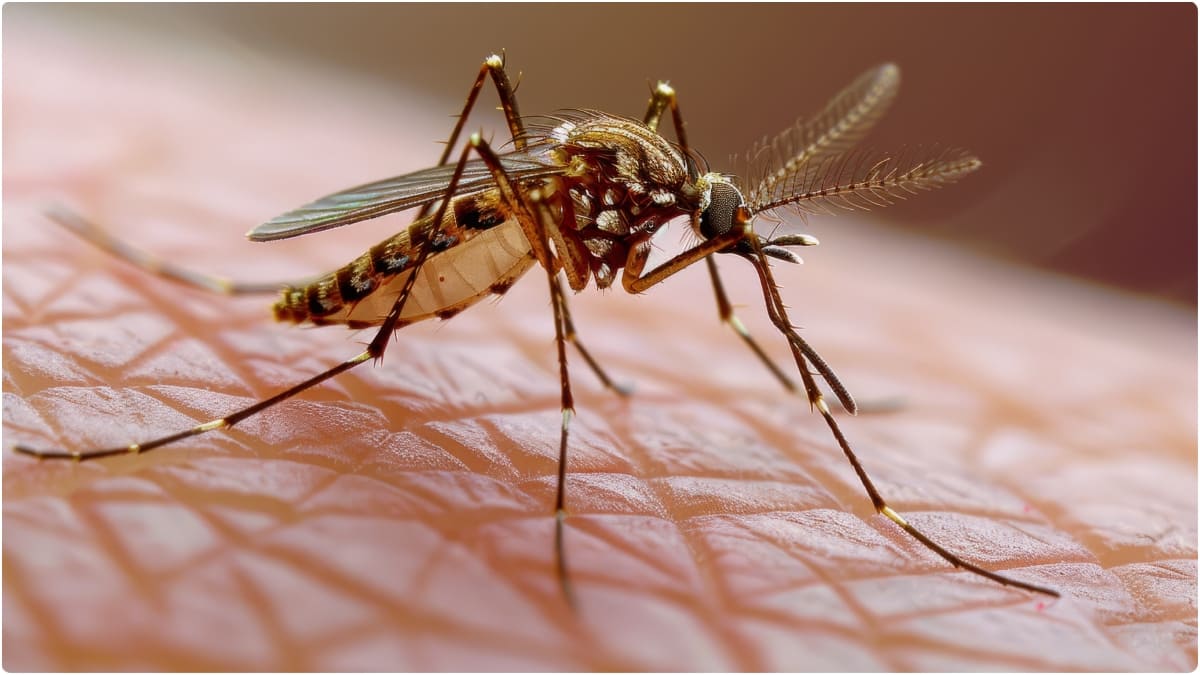
Malaria is caused by Plasmodium parasites transmitted through the bite of infected female Anopheles mosquitoes. The infection can cause fever, chills, headaches and body aches. While it is preventable and treatable, delayed diagnosis can lead to serious complications, including organ failure and other life-threatening conditions.
According to the figures highlighted in the report, malaria cases and deaths in India declined by nearly 80 per cent between 2015 and 2025. The improvement reflects the impact of better diagnosis, access to treatment, mosquito-control programmes and public awareness. However, the changing climate could create fresh challenges in controlling the disease.
Why Are Malaria Cases Declining In India?
India has made considerable progress in reducing its malaria burden over the past decade. Improved healthcare facilities, early detection, effective treatment and mosquito-control initiatives have played an important role in this development.
The number of districts reporting a high malaria burden declined from 155 to 33. Additionally, around 160 districts reported no locally transmitted malaria cases between 2022 and 2025.
These developments indicate progress towards India's goal of eliminating malaria by 2030. However, maintaining this progress will require continued disease surveillance and preventive measures, particularly in regions where malaria transmission remains a concern.
ALSO READ | Ayushman Bharat Scheme: 5 Medical Treatments That Are Not Covered Under PM-JAY
Climate Change Can Increase The Risk Of Malaria
Climate change is emerging as a major challenge in controlling mosquito-borne diseases. Rising temperatures, irregular rainfall and changing weather conditions can influence mosquito breeding and survival.
Heavy rainfall and flooding can leave stagnant water in residential areas, providing suitable breeding grounds for mosquitoes. Similarly, waterlogging caused by poor drainage systems and rapid urbanisation can increase mosquito populations.
Another concern is insecticide resistance, which can make it harder to control mosquito populations through conventional methods. Changing environmental conditions may also affect the geographical distribution of mosquitoes, potentially exposing new areas to malaria transmission.
Common Symptoms Of Malaria
Malaria symptoms generally develop around 10 to 15 days after the bite of an infected mosquito, although the incubation period can vary depending on the parasite.
The initial symptoms may resemble seasonal flu, making it important to recognise the warning signs and seek medical attention.
Some common symptoms include:
- High Fever: A sudden rise in body temperature is one of the most common symptoms.
- Chills And Shivering: Patients may experience intense chills, sometimes followed by sweating.
- Headaches: Frequent headaches can accompany fever and body pain.
- Muscle Pain: Body aches and muscle discomfort may cause weakness.
- Excessive Sweating: Heavy sweating may occur as the fever begins to subside.
- Nausea And Vomiting: Some patients may experience digestive discomfort, nausea and vomiting.
- Fatigue: Persistent tiredness and weakness can affect everyday activities.
In severe cases, malaria can cause confusion, seizures, breathing difficulties, jaundice and organ complications. Such symptoms require immediate medical attention.
ALSO READ | Doc Talk | Stomach Cancer Warning Signs: When Frequent Indigestion, Bloating And Acidity Need Attention
How Is Malaria Diagnosed And Treated?
Malaria cannot be confirmed through symptoms alone. Doctors generally recommend blood tests to identify the presence of the parasite. These include microscopic examination of blood samples and rapid diagnostic tests.
Treatment depends on the type of malaria parasite, the severity of the infection and the patient's medical condition. Antimalarial medicines are prescribed by doctors to eliminate the infection.
Early diagnosis and appropriate treatment are essential to prevent the disease from progressing into a severe condition. People experiencing persistent fever, chills or unexplained weakness should consult a healthcare professional rather than relying on self-medication.
5 Ways To Prevent Malaria And Protect Yourself From Mosquito Bites
Preventing mosquito bites and controlling mosquito breeding are important steps in reducing the risk of malaria. Here are some precautions that can help:
- Use Mosquito Nets: Sleep under mosquito nets, particularly in areas where malaria transmission is common.
- Apply Mosquito Repellents: Use suitable mosquito repellents to reduce the risk of mosquito bites, especially during the evening and night.
- Wear Full-Sleeved Clothes: Cover your arms and legs to minimise exposed skin and protect yourself from mosquito bites.
- Avoid Stagnant Water: Regularly check flower pots, tyres, coolers and containers for accumulated water where mosquitoes can breed.
- Keep Water Containers Covered: Ensure that buckets, tanks and other water-storage containers remain properly covered.
India Aims To Eliminate Malaria By 2030
India's target of eliminating malaria by 2030 reflects the country's continued efforts to control mosquito-borne infections. The decline in cases and deaths over the past decade is an encouraging development, but emerging environmental challenges require sustained attention.
Climate change, irregular rainfall, urbanisation and insecticide resistance could complicate malaria-control efforts. Strengthening healthcare facilities, improving disease surveillance and increasing public awareness will remain essential to preventing new infections.
Although malaria is preventable and treatable, ignoring its symptoms can lead to serious health complications. Timely diagnosis, appropriate medical treatment and consistent preventive measures are crucial to protecting individuals and communities.
[Disclaimer: The information provided in the article is intended for general informational purposes only. It is not a substitute for professional medical advice, diagnosis, or treatment. Always seek the advice of your physician or other qualified healthcare provider with any questions you may have regarding a medical condition.]
This content is published by ABP Live - Health and has not been created or edited by Hello Headlines. View original