New backswimmer insect species discovered in Telangana, AP
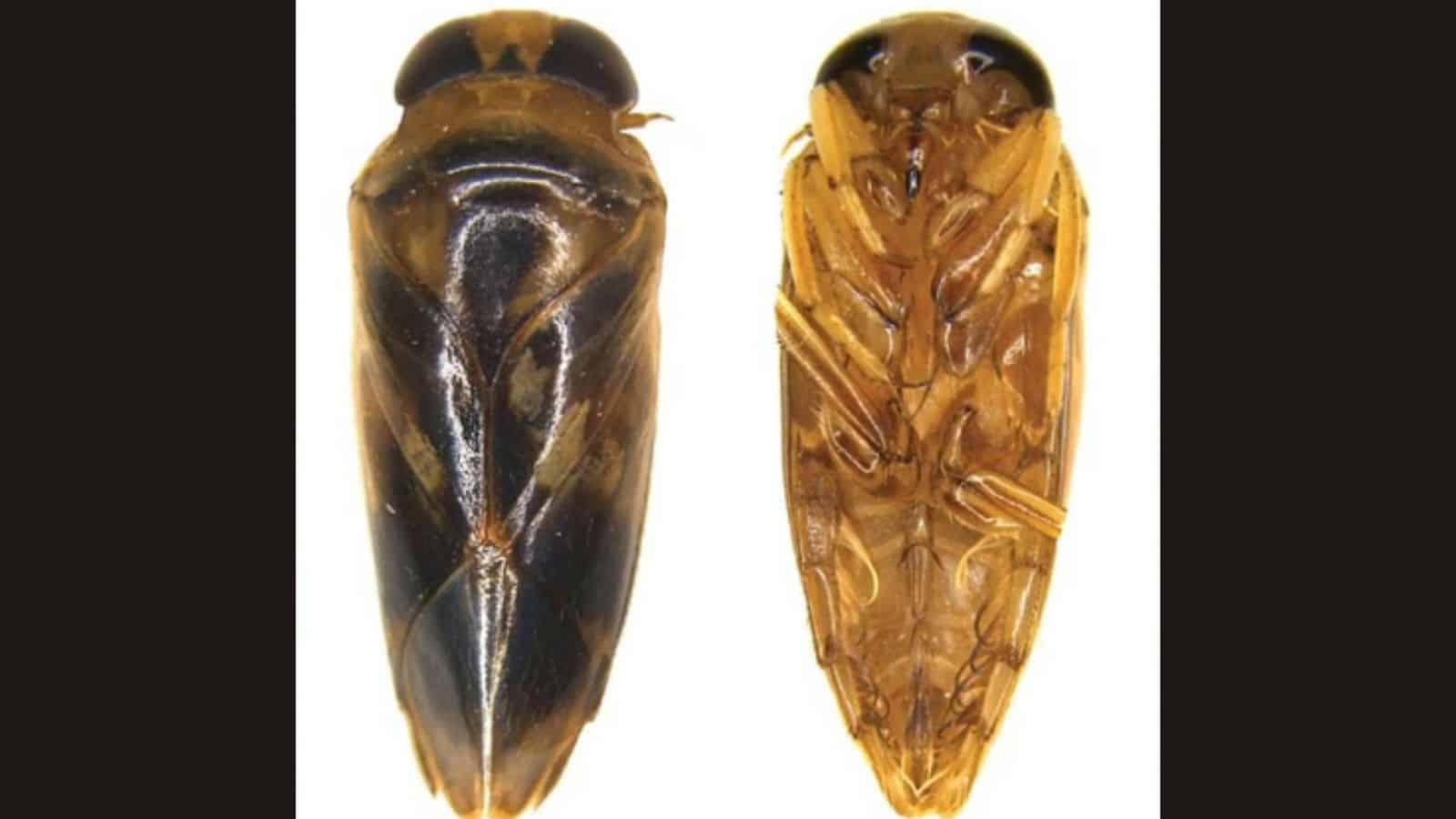
Hyderabad: A previously unknown species of freshwater insect that swims upside down has been discovered in protected forest areas of Telangana and Andhra Pradesh.
The species, which is named Enithares deccanensis, was found in Seshachalam Biosphere Reserve in Andhra Pradesh and Amrabad Tiger Reserve in Telangana.
The insect belongs to the Notonectidae family, whose members are commonly called backswimmers because they move through water with their bodies turned upside down.
The discovery was made by researchers Somesh Banerjee, Devadoss Kumar, Deepa Jaiswal and Karuthapandi Madasamy. They are associated with the Zoological Survey of India (ZSI), Hyderabad, and VHNSN College in Virudhunagar, Tamil Nadu.
DNA analysis confirms new insect species
In order to confirm that it is a distinct species, researchers studied its physical characteristics and genetic structure.
One of its distinguishing features is a dark V-shaped pattern on its wings.
During the genetic analysis, it was found that there are around 10 to 14.5 per cent differences between Enithares deccanensis and the other members of its genus included in the comparison. The results supported its classification as a separate species.
Small freshwater pools may hide unknown species
The discovery of the species highlights the significance of the smaller freshwater ecosystems. These ecosystems may contain species that were never scientifically recorded.
ZSI director Dhriti Banerjee told The Times of India that the finding highlighted the need for biodiversity surveys across the Eastern Ghats. The discovery of Enithares deccanensis adds to the known freshwater diversity of the Eastern Ghats.
Get the latest updates in Hyderabad City News, Technology, Entertainment, Sports, Politics and Top Stories on WhatsApp & Telegram by subscribing to our channels. You can also download our app for Android and iOS.
This content is published by The Siasat Daily and has not been created or edited by Hello Headlines. View original