India's Oil Supply Risks Persist Amid Hormuz Crisis: Hardeep Singh Puri
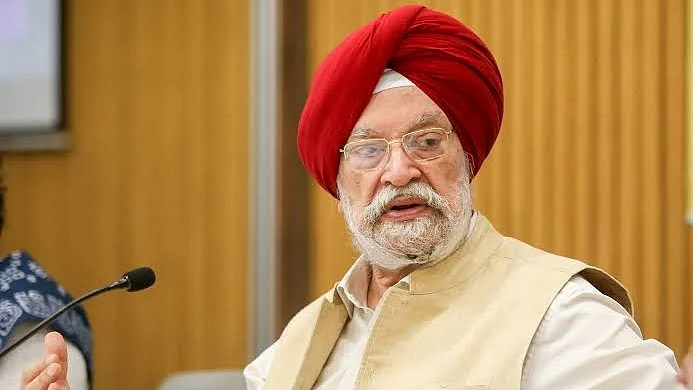
India remains vulnerable to global oil supply disruptions despite diplomatic efforts to reopen the Strait of Hormuz, Petroleum Minister Hardeep Singh Puri said on Thursday.
Speaking after the annual general meeting and convention of the Federation of Indian Chambers of Commerce and Industry (FICCI), Puri expressed optimism over ongoing negotiations involving the US, Iran and Gulf countries.
However, persistent Red Sea tensions and uncertainty surrounding Russia-Ukraine negotiations continue to pose risks to global energy supplies.
Puri said crude oil prices had surged from around $67-68 to $120 per barrel during the crisis before moderating to nearly $92.
He expressed hope that easing geopolitical tensions would restore unrestricted oil supplies and bring down prices.
Crude Oil Prices Fall Below $92 As Brent, Ahead Of OPEC+ MeetingAccording to Puri, supplies passing through Hormuz account for approximately 45% of India's crude oil imports, 90% of liquefied petroleum gas (LPG) imports and 55% of liquefied natural gas (LNG) imports.
Despite disruptions, India avoided fuel rationing and stock shortages across LPG distribution outlets and 107,000 petrol pumps, he said.
Domestic refineries increased daily LPG production from approximately 34,000 tonnes to nearly 54,000 tonnes.
Daily cylinder bookings climbed from 52 lakh to 92 lakh, although household delivery backlogs remained within six days.
New piped natural gas connections also increased from around 3,000 to 9,000 daily in areas with existing pipeline infrastructure.
Puri expressed confidence in India's ability to manage supplies even if geopolitical tensions intensified.
India's petrochemical demand is projected to reach 55 million tonnes by 2030 and 120 million tonnes by 2047, compared with annual production capacity of 36.4 million tonnes.
The country's annual refining capacity is expected to rise from approximately 267 million tonnes to 290 million tonnes over the next two to three years, while crude import dependence remains near 88%.
Addressing losses at oil marketing companies, Puri said government reimbursements were an ongoing process rather than an isolated compensation exercise.
He cited an earlier reimbursement of ₹22,000 crore against LPG-related losses of ₹28,000 crore, adding that companies continue to incur substantial daily losses.
Level up your brain the fun way. Play daily games and quizzes on FPJ Smart!
This content is published by Free Press Journal and has not been created or edited by Hello Headlines. View original