Malaria Cases And Deaths Fall 80% In India Over 10 Years, But Climate Change Could Reverse Gains
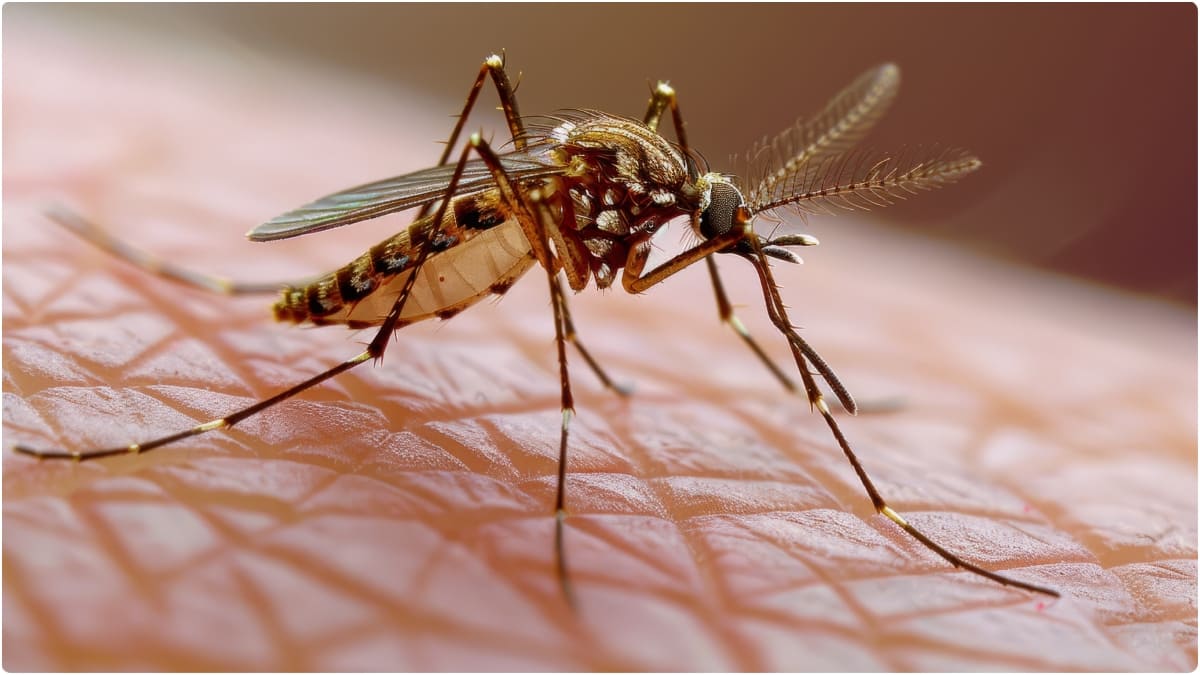
India has made significant progress in reducing malaria cases and deaths over the past decade, with the disease burden declining by nearly 80% between 2015 and 2025. Improved diagnosis, treatment facilities, mosquito-control campaigns and public awareness have contributed to this progress. However, the fight against malaria is far from over. Climate change, rising temperatures, changing rainfall patterns and rapid urbanisation could create favourable conditions for mosquitoes to multiply. As India works towards eliminating malaria by 2030, these emerging challenges highlight the need for continued prevention and monitoring.
Malaria Cases And Deaths Decline In India
Malaria was once a major public health concern in India, particularly during the monsoon season when cases were frequently reported in rural and remote areas. The disease also affected everyday life, disrupting children's education and keeping farmers and workers away from their jobs for several days.
Over the last decade, the situation has improved considerably. According to the figures cited in the report, malaria cases and related deaths declined by nearly 80% between 2015 and 2025.
The number of districts with a high malaria burden has also reduced from 155 to 33. Furthermore, between 2022 and 2025, as many as 160 districts across the country reported no locally transmitted malaria cases.
Improvements in testing and treatment facilities, mosquito-control programmes and greater public awareness have played an important role in reducing the disease burden.
How Climate Change Could Increase Malaria Risk
Despite the decline in cases, experts have cautioned against becoming complacent. Climate change and environmental changes could create fresh challenges in controlling mosquito-borne diseases.
Rising temperatures and changing rainfall patterns can influence mosquito breeding and survival. When water accumulates in open spaces, drains and other surroundings, it can create favourable breeding conditions for mosquitoes.
Urbanisation can further complicate the situation, particularly in areas where poor drainage and waterlogging allow stagnant water to collect.
Another concern is the increasing resistance of mosquitoes to insecticides. This can make mosquito-control efforts less effective and create additional difficulties for public health authorities.
Changing weather conditions can also influence the spread of other mosquito-borne diseases, including dengue.
India's Target To Eliminate Malaria By 2030
India has set a target of eliminating malaria by 2030. Achieving this goal will require continued efforts in early diagnosis, appropriate treatment, mosquito control and disease surveillance.
People experiencing fever should not rely on self-medication. They should consult a doctor and get tested for malaria when advised.
Preventive measures at home and in the surrounding environment are equally important. Avoid allowing water to accumulate around houses, keep water tanks and containers covered, and use mosquito nets to reduce exposure to mosquito bites.
Also Read: Bhagavad Gita’s ‘Swadharma’ Principle Reveals The Secret To Mental Peace And True Success
How To Protect Yourself From Malaria
Although malaria cases have declined, preventive measures remain important, particularly during periods when mosquito activity increases.
Here are some precautions to follow:
-
Prevent stagnant water: Regularly check your surroundings and remove water collected in pots, containers, coolers and other objects.
-
Keep water containers covered: Ensure that water tanks, buckets and storage vessels remain properly covered.
-
Use mosquito nets: Sleeping under mosquito nets can help reduce mosquito bites.
-
Maintain cleanliness: Keep drains and areas around your home clean to reduce potential mosquito breeding sites.
-
Seek timely medical advice: If you develop a fever, consult a healthcare professional and get tested when recommended rather than taking medicines on your own.
India's progress against malaria reflects the importance of sustained public health efforts. However, climate change, urbanisation and insecticide resistance could complicate future control measures. Continued surveillance, timely treatment and community participation will be essential to achieving the country's 2030 malaria elimination target.
This content is published by ABP Live - Lifestyle and has not been created or edited by Hello Headlines. View original