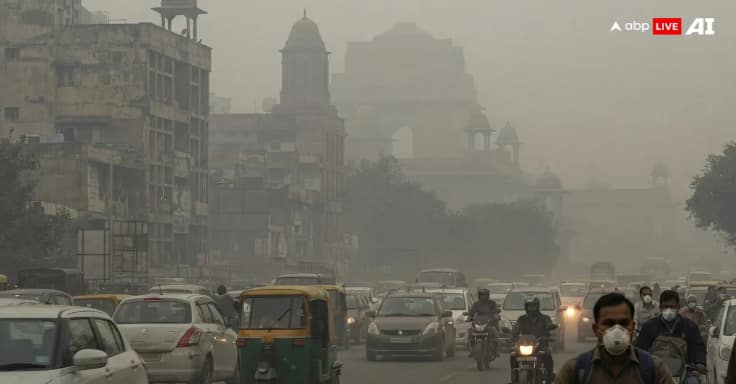
Can Rising AQI Give You A Headache? Know How Air Pollution May Affect Your Brain

As air pollution levels rise across several Indian cities during winter, many people may experience persistent headaches, heaviness in the head or discomfort after stepping outdoors. While these symptoms are often attributed to stress, fatigue or lack of sleep, poor air quality could also be a contributing factor. Exposure to pollutants such as PM2.5 and PM10 may trigger headaches and worsen existing migraine problems in some people.
According to Dr Vishwesh Datt Tiwari, a senior neurosurgeon at Galaxy Hospital in Varanasi, people who already experience headaches or migraines may be more sensitive to poor air quality. Exposure to polluted air can trigger headaches or intensify existing symptoms.
How Does Air Pollution Cause Headaches?
Air pollution contains tiny particles that can enter the body through breathing. While larger particles are largely trapped in the nose and upper respiratory tract, PM10 particles can travel deeper into the lungs. Even smaller PM2.5 particles can penetrate further into the respiratory system.
Some of these pollutants can increase inflammation in the body, while certain particles may also enter the bloodstream. Their effects are not limited to the lungs and may extend to other parts of the body, including the brain.
According to Dr Tiwari, harmful particles associated with poor air quality can affect how cells function. Inflammation may also influence the nerves, blood vessels and blood circulation. In some individuals, these changes may activate nerves associated with headaches and migraines.
However, researchers still need to understand the complete relationship between air pollution and headaches.
ALSO READ | Doc Talk | Stomach Cancer Warning Signs: When Frequent Indigestion, Bloating And Acidity Need Attention
Why Can High AQI Levels Make Headaches Worse?
People may notice that their headaches begin or become more severe after spending time outdoors on days when air quality is particularly poor. Prolonged exposure to polluted air can increase inflammation and cause respiratory irritation.
Poor air quality can also lead to symptoms such as nasal congestion, throat irritation, coughing and burning sensations in the eyes. These discomforts may contribute to or worsen headaches.
People who experience migraines may be particularly vulnerable. Other factors, including inadequate sleep, stress, heat and dehydration, can further aggravate the condition when combined with exposure to polluted air.
ALSO READ | Malaria Cases And Deaths Fall 80% In India Over 10 Years, But Climate Change Could Reverse Gains
Who Is More Vulnerable To Pollution-Related Headaches?
People with a history of migraines or recurring headaches should be particularly cautious during periods of poor air quality.
Those who regularly spend long hours around heavy traffic, construction sites or industrial areas may also face greater exposure to airborne pollutants.
If you notice that your headaches become more frequent or intense when pollution levels rise, tracking your symptoms alongside the daily AQI can help identify a possible pattern.
Keeping a record of when headaches occur and how severe they are may help you understand whether poor air quality is one of your triggers.
What Does A Pollution-Related Headache Feel Like?
There is no single symptom that can confirm whether a headache is caused by air pollution. It may feel similar to an ordinary headache, migraine or sinus-related discomfort.
Some commonly reported symptoms include:
-
Persistent mild pain or pressure around the forehead and temples.
-
A feeling of heaviness or tightness in the head.
-
Burning or watery eyes.
-
Nasal congestion and throat irritation.
-
Coughing along with headache symptoms.
People with migraines may also experience throbbing pain, nausea and increased sensitivity to bright lights or loud sounds.
If headaches repeatedly worsen after spending time outdoors in polluted air, it may indicate that poor air quality is contributing to the problem.
How To Protect Yourself From Pollution-Related Headaches
Although individuals cannot control outdoor air quality, certain precautions can help reduce exposure to pollutants and their possible effects.
1. Check the AQI regularly: Monitor the Air Quality Index in your area, especially during winter. Avoid unnecessary outdoor activities when pollution levels are very high.
2. Wear an N95 mask: If stepping outside is unavoidable during periods of poor air quality, wear a well-fitted N95 mask. It can help reduce the inhalation of fine airborne particles.
3. Use an air purifier: An air purifier with an appropriate filtration capacity can help improve indoor air quality and reduce exposure to airborne pollutants.
4. Avoid indoor smoke: Do not smoke inside your home. Limit the use of incense sticks and mosquito coils, as they can add pollutants to indoor air.
5. Track your headache symptoms: If you frequently experience headaches or migraines, record when they occur and compare them with the AQI levels. This may help identify potential environmental triggers.
With pollution levels becoming a growing concern, reducing exposure and recognising possible symptoms can help protect your health. People experiencing frequent, severe or unusual headaches should seek medical evaluation rather than assuming pollution is the only cause.
[Disclaimer: The information provided in the article is intended for general informational purposes only. It is not a substitute for professional medical advice, diagnosis, or treatment. Always seek the advice of your physician or other qualified healthcare provider with any questions you may have regarding a medical condition.]
This content is published by ABP Live - Health and has not been created or edited by Hello Headlines. View original