Editorial: Return of the “human”
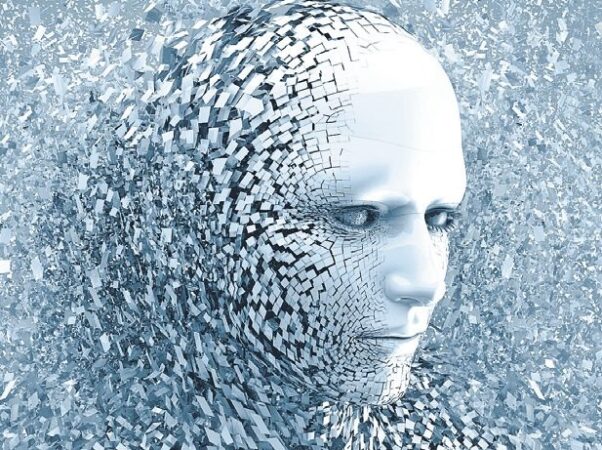
What does it mean to be human when machine intelligence is all-pervasive and threatens to rewrite the rules of the human world? Artificial intelligence is the buzzword that is posing an existential challenge to humanity, with some making doomsday predictions of sentient machines taking over the world. By choosing “human” as the word of the year 2026, the Cambridge Dictionary has brought into focus an issue that is dominating the public discourse around the world. The editors of the Cambridge Dictionary, published by Cambridge University Press, select the word of the year after consulting with lexicographers and examining changes in real-world usage and searches online. These days, we commonly come across expressions like “human-made” and “human-creativity” to separate people’s work from AI output. When AI is blurring the boundaries between people and machines, it is apt and timely to elevate “human” as the word of the year, reflecting how artificial intelligence has forced people to label explicitly what used to be assumed. Rather than crowning another tech buzzword, the pick highlights anxiety over AI creeping into creative and emotional spaces and a push to keep people at the centre. Beyond tech debates, the word also carries weight around real-world conflicts, empathy, and what makes life meaningful. The dictionary defines human as having qualities, faults and feelings that people have, as opposed to gods or machines. Qualities like vulnerabilities, flaws, contradictions, empathy and the capacity for wonder and woe make us human.
Even if AI has been shown to simulate and improve certain aspects of human accomplishment, it has, however, demonstrated little capacity to reproduce the distinctly human forms of social folly that unite us in a spirit of solidarity. This year, many public figures defended humans and humanity in the age of AI. Bill Gates, Chair of the Gates Foundation, argued for “human reserved jobs”, such as caregivers, that machines should never take. AI is making us think harder about what it means to be human. No doubt, it could help us cure diseases, improve education, and give people more time to spend on the things that matter most. But we need to make deliberate choices about how it fits into our lives, including where we want people to remain at the centre. The measure of AI’s success should be how much it improves human lives. Fears about what humans may lose when we outsource our thinking have led us to reconsider how much we rely on AI, from top mathematicians to teachers of young children. In response to the surge in AI-created content, academics are racing to develop a universally recognised symbol to denote something that is “human-made”. In fact, AI writing is now increasingly seen as generic, obsequious and banal. The readers are beginning to value personal writing, and maybe even writing that’s messier and less structurally sound.
This content is published by Telangana Today and has not been created or edited by Hello Headlines. View original