Doc Talk | Diabetes And Hypertension: Why Ignoring Early Warning Signs Can Damage Vital Organs
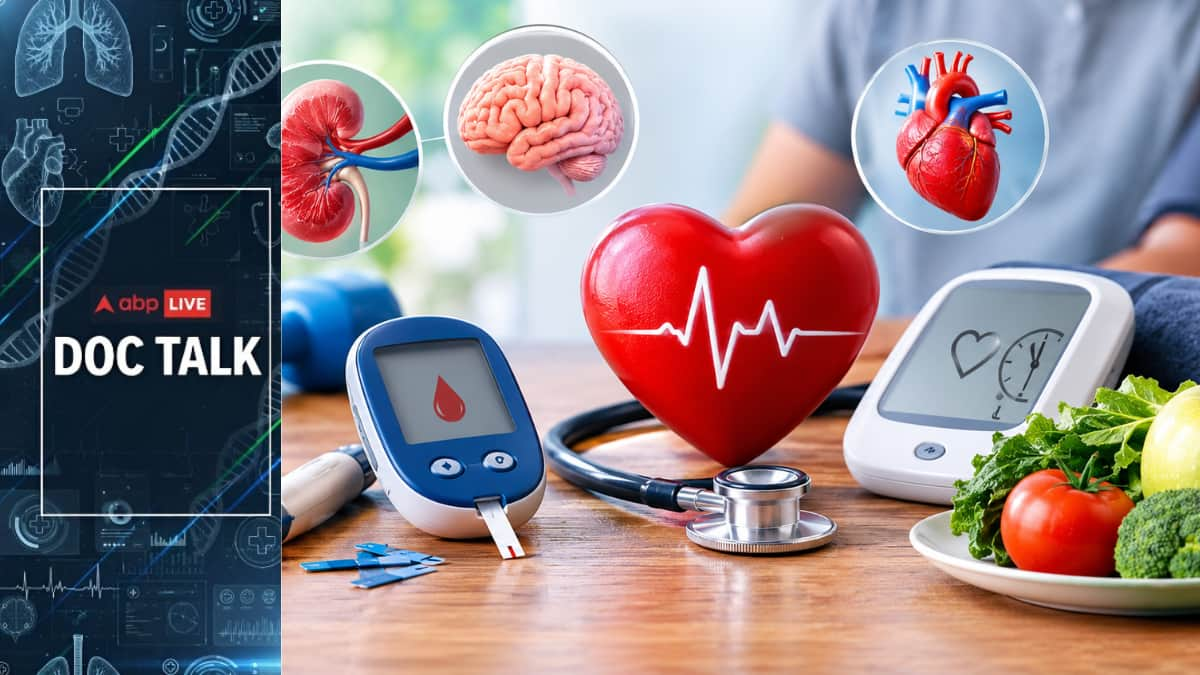
Diabetes mellitus is a cardiometabolic disease that progresses very slowly. This gradual progression and the absence of early symptoms or complications often lead to neglect of timely management. Many patients feel healthy, apart from occasional tiredness during routine activities, which they tend to overlook or attribute to a busy lifestyle.
This is particularly common among Indians, where work is often considered worship. The rapid growth of capitalism and concerns about future financial security push people to prioritise work, causing them to lose crucial early years of diabetes management. Doctors and patients need to take timely steps to prevent metabolic deterioration and stop the disease from progressing.
Another reason for neglect is the tendency to overlook health during early adulthood, particularly in the third decade of life. A lack of awareness and apathy towards maintaining good health further contribute to the problem. Unfortunately, there are no comprehensive national screening guidelines across public and private hospitals that offer significant cost advantages for regular screening of chronic illnesses. Ironically, our lifestyles are contributing to the growing burden of these metabolic diseases.
Diabetes: The Silent Damage To Vital Organs
After understanding the high prevalence of diabetes and hypertension, it is important to examine their major complications.
Diabetes is often called a silent killer. This is because high blood sugar levels do not initially cause immediate or life-threatening damage to vital organs. However, even during the prediabetes stage, elevated blood sugar can cause organ damage that may not be easily detected through routine laboratory tests or clinical examinations.
These borderline sugar levels can silently affect major organs, including the kidneys, heart, brain and liver, as well as smaller blood vessels. After three to five years, some of this damage may become irreversible, and the earlier harm cannot always be undone.
By the time patients notice problems involving these organs, the disease may have already progressed significantly, making it difficult for doctors to reverse the damage. When patients eventually consult nephrologists or cardiologists, they may already have irreversible kidney or cardiovascular complications. Managing such conditions requires disciplined and coordinated efforts from both doctors and patients.
Importantly, patients often expect specialists to take complete responsibility for their treatment, while remaining unaware of their own blood sugar levels, blood pressure readings and prescribed medications.
Lifestyle Changes And Early Detection Can Prevent Complications
The key lesson is that lifestyle modifications play an important role in preventing and managing these conditions. Adopting a healthy diet, exercising regularly, reducing stress and avoiding a sedentary lifestyle are essential preventive measures.
Although these changes are easier said than done, the long-term damage caused by diabetes and hypertension makes early action necessary.
Detecting these conditions at an early stage and taking them seriously can help change the course of the disease, prevent complications and reduce morbidity.
Patients Must Take Responsibility For Their Health
Patients must actively participate in managing their health rather than depending entirely on doctors. Simple measures such as monitoring blood sugar and blood pressure at home, managing weight and tracking other health parameters can make a significant difference.
Maintaining a diary of these readings allows patients to monitor their progress over time. They can share this record during outpatient department (OPD) visits, helping doctors make better-informed treatment decisions. This also encourages patients to take greater responsibility for their health.
A Collective Effort To Fight Diabetes And Hypertension
Through this discussion, I want to raise awareness about the importance of monitoring diabetes and hypertension, two major health challenges associated with modern lifestyles.
Doctors alone cannot fight these conditions without adequate awareness and participation from the general public. We need coordinated efforts involving patients, government policies, doctors and hospitals to take collective responsibility for improving public health.
Early detection, regular monitoring and sustained lifestyle changes can help us manage these diseases more effectively and work towards building a healthier society and nation.
This content is published by ABP Live - Health and has not been created or edited by Hello Headlines. View original