Shubman Gill’s appeal unlikely to change ICC’s saliva ban policy
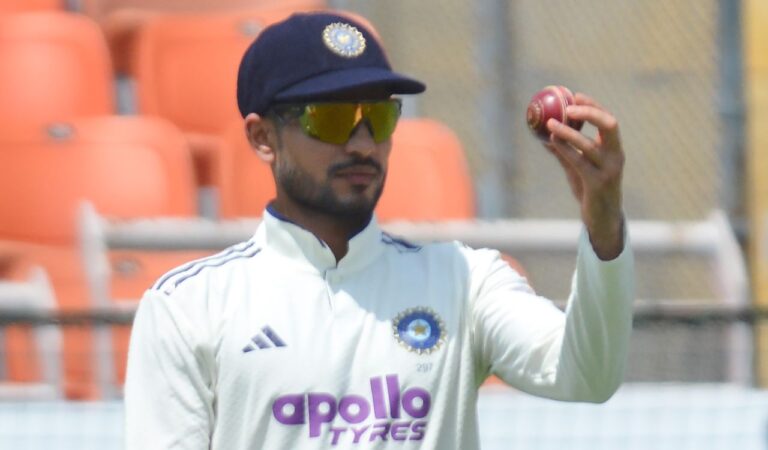
New Delhi: The International Cricket Council (ICC) has no plans to review its ban on applying saliva to the ball due to health and cricketing concerns, despite calls from Indian captain Shubman Gill.
Following the drawn first Test on a benign pitch at the Basin Reserve in Wellington, Gill complained that the Kookaburra ball was getting soft too early. He said allowing players to use saliva to shine the ball could have helped bowlers in the batting-friendly conditions.
PTI understands that the governing body’s position on the issue remains unchanged.
The ban was first introduced in 2020 to protect the health of players and match officials following the COVID-19 pandemic. It was made permanent in the ICC playing conditions a couple of years later.
This was in line with the Marylebone Cricket Club (MCC) Laws of Cricket, under which applying saliva is treated in the same way as any other unfair method of changing the ball’s condition.
Saliva can materially alter the ball when mixed with substances such as sweets, chewing gum and mints, making the task of monitoring and regulating its use much harder.
The ICC also believes that saliva continues to pose a risk to players and match officials.
According to the European Centre for Disease Prevention and Control, newly emerging SARS-CoV-2 variants pose a health risk globally.
It has been learnt that the saliva ban was not discussed at the ICC meetings in Bali earlier this month.
Any amendment to the playing conditions in the future would also need to be proposed by a member through the relevant ICC committee for consideration before a final decision is taken by the ICC Board.
Gill brought the saliva ban back into the spotlight after India failed to bowl out New Zealand on the fifth day of the first Test, missing out on crucial World Test Championship points.
“I don’t understand why we haven’t been allowed to shine the ball yet — we are way past Covid times. There was a rule that you can’t put saliva on the ball to make it shine. It’s been seven-eight years and I still don’t understand why they are not allowing it,” rued Gill.
Although a domestic competition, the Indian Premier League lifted the saliva ban ahead of the 2025 edition.
This content is published by Telangana Today and has not been created or edited by Hello Headlines. View original