'AI Is Finding Weaknesses Faster Than Companies Can Fix Them': Cisco CEO Warns Of Escalating Cybersecurity Threats
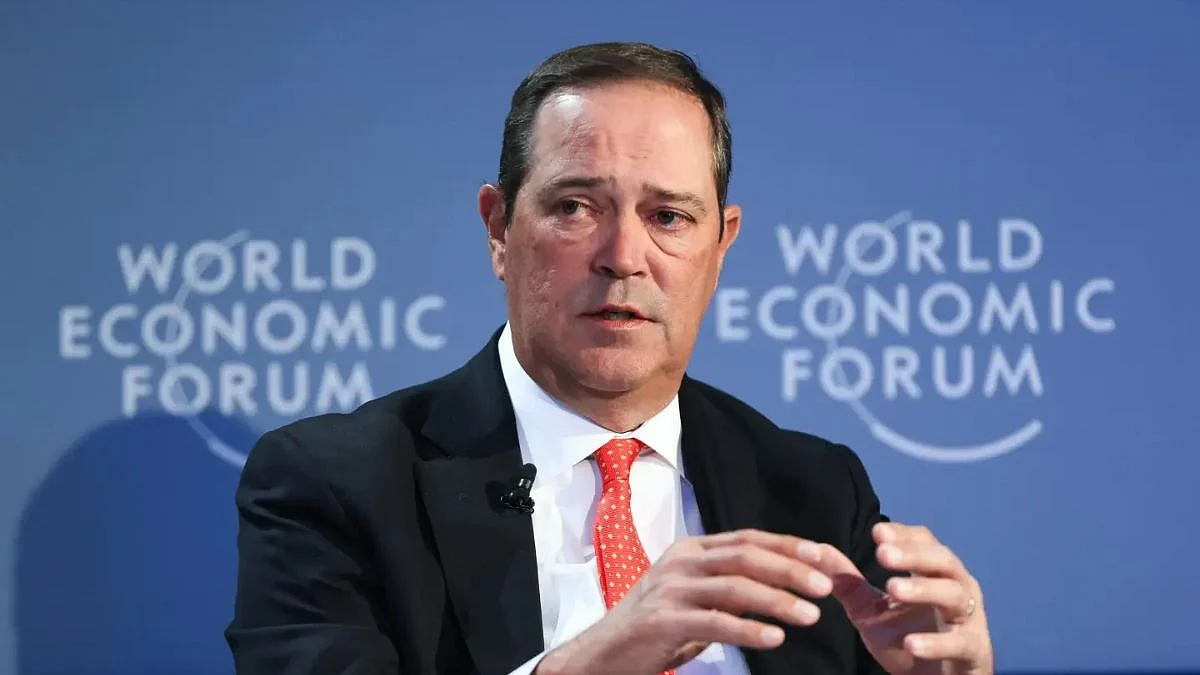
New Delhi: Artificial intelligence (AI) is enabling attackers to identify and exploit vulnerabilities faster than many organisations can respond, Cisco Systems Chief Executive Officer (CEO) Chuck Robbins said on Wednesday.
He urged industry and corporate leaders to accelerate cybersecurity and technology modernisation efforts.
To my fellow CEOs and technology leaders: please read this today. AI is being used to find weaknesses in technology faster than many companies can fix them, and we have been given a warning while there is still time to act. I serve on the board of the Alliance for Critical…
— Chuck Robbins (@ChuckRobbins) November 24, 2026
In a post on social media platform X, Robbins endorsed new guidance issued by the Alliance for Critical Infrastructure (ACI) -- a cross-sector industry group on whose board he serves -- saying companies across industries had been given an early warning that should prompt immediate action.
"AI is being used to find weaknesses in technology faster than many companies can fix them, and we have been given a warning while there is still time to act," Robbins wrote on X.
Microsoft Declares 'Code Red' After 24-Hour Outage, Warns Of More Tech Disruptions In Coming MonthsRobbins said the recommendations transcend individual technology providers.
"It applies to whatever technology you run and whichever partners you choose. What matters is that the work gets done safely, and that it starts now," he said.
The guidance argues that years of delaying software upgrades, security patches and technology replacements have left many organisations burdened with significant technical debt, increasing exposure to rapidly evolving cyber threats.
Is Astrotalk Spying On Your Phone? Viral Video Claims It Scans For 244 Apps On Your Phone; Including Tinder, Bumble & ChatGPTAccording to the report, AI is now helping attackers discover vulnerabilities, develop exploits and automate attacks at a pace that is outstripping many organisations' ability to defend themselves.
"AI is helping attackers find vulnerabilities, develop exploits, and automate attacks faster than many enterprises can reduce their accumulated risk. Defence is not keeping pace with the speed of the threat," it added.
The warning comes as businesses increasingly integrate AI into operations while relying on interconnected digital and physical infrastructure such as data centres, telecommunications networks, water systems and power grids.
CIA, ODNI Hit By Cyberattack Targeting Open-Source Intelligence System; Breach Raises Fresh Concerns Over US Government CybersecurityThe ACI report also highlighted growing concerns that cyberattacks on critical infrastructure could have direct physical consequences, affecting public services and economic activity.
To strengthen preparedness, the alliance urged chief executives to assess four key areas within the next 30 days like identification of critical assets, speed of security response, ability to recover from multiple simultaneous failures and accountability for unresolved risks.
The report also outlined six priorities for organisations, including maintaining current software versions, accelerating deployment of security updates, reducing exposure of internet-facing systems, embedding security into technology design, improving governance and regularly testing resilience and recovery capabilities.
The report concluded that while cyber risks can never be fully eliminated, organisations can significantly improve resilience by reducing technical debt, strengthening oversight and improving their ability to detect and respond to threats before a major incident occurs.
Level up your brain the fun way. Play daily games and quizzes on FPJ Smart!
(Except for the headline, this article has not been edited by FPJ's editorial team and is auto-generated from an agency feed.)
This content is published by Free Press Journal and has not been created or edited by Hello Headlines. View original