SC Orders Red Warning Labels On Packaged Foods High In Sugar, Salt And Fat
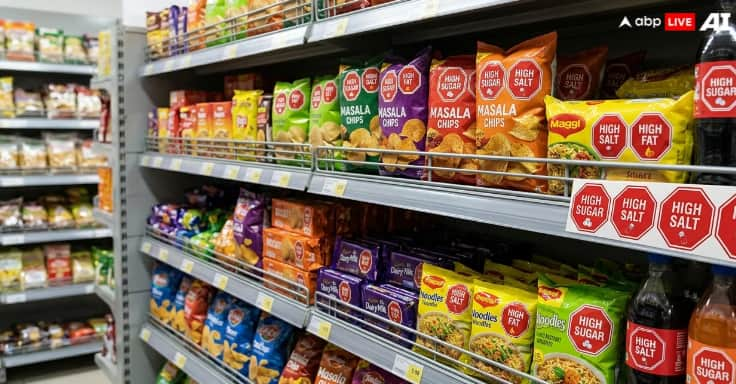
India's Supreme Court has directed the Union Government and the Food Safety and Standards Authority of India (FSSAI) to ensure that packaged food products containing excessive amounts of sugar, salt and fat carry separate warning labels on the front of their packaging. The decision aims to make nutritional information more accessible and help consumers identify potentially unhealthy food products before purchasing them.
In a significant move towards strengthening food safety regulations, the court has directed the introduction of separate red, hexagonal warning symbols for high fat, high sugar and high salt content. Each symbol will carry a corresponding pictorial representation and a clear warning, making it easier for consumers to understand the nutritional risks associated with packaged foods.
What Has The Supreme Court Directed?
A bench comprising Justices JB Pardiwala and K Vinod Chandran directed the food regulator to ensure effective implementation of Front-of-Package Nutrition Labelling (FOPNL).
The court clarified that packaged food products must carry individual warning labels for every nutrient of concern instead of displaying one combined warning symbol. For instance, a product containing excessive sugar and salt will have separate 'HIGH SUGAR' and 'HIGH SALT' warnings.
The labels will use red hexagonal symbols accompanied by pictograms representing the respective nutrients. This format is intended to make nutritional warnings prominent and easily understandable.
ALSO READ | President Murmu Urges Homoeopathy Colleges To Adopt AI, Modern Diagnostics And Digital Health
How Will The New Warning Labels Work?
Under the proposed labelling framework, food packets will have to display separate warning symbols depending on their nutritional content. The labels will identify whether a product contains excessive amounts of fat, sugar or salt.
The court has also emphasised that the size of the warning symbols should be proportionate to the principal display panel of the packaging. The labels are expected to occupy around 4-5 per cent of the front display area, following international practices.
Another important aspect is the determination of nutritional thresholds. The court has directed FSSAI to revisit and scientifically reformulate the threshold levels for each nutrient. It has also clarified that sugar and fat thresholds should be calculated based on their total content rather than only added sugar or added fat.
The food regulator has been given four months to finalise the labelling regulations.
Warning Labels Are Important For Packaged Foods
Packaged and ultra-processed foods often contain high amounts of sugar, salt and unhealthy fats. While nutritional information is generally available on the back of food packets, consumers may find it difficult to understand the figures and identify products that contain excessive amounts of these nutrients.
Front-of-package warning labels can make this information more accessible and encourage people to reconsider their food choices.
Regular consumption of foods high in sugar, salt and unhealthy fats is associated with several health concerns, including:
- Obesity: Excessive calorie intake, particularly from sugary drinks and processed snacks, can contribute to weight gain and obesity.
- Type 2 Diabetes: High consumption of added sugar can contribute to weight gain and metabolic problems, increasing the risk of type 2 diabetes.
- High Blood Pressure: Excessive sodium consumption can raise blood pressure and increase the risk of cardiovascular complications.
- Heart Diseases: Diets high in saturated and trans fats can negatively affect cholesterol levels and increase cardiovascular risks.
- Kidney Problems: Excessive salt consumption can contribute to high blood pressure, which is a major risk factor for kidney disease.
ALSO READ | What Is Cutis Laxa? Know The Rare Skin Disorder That Causes Premature Ageing
Supreme Court Calls For Nutritional Awareness Among Children
Apart from strengthening food labelling regulations, the Supreme Court has also highlighted the importance of nutritional education among children.
The court has directed the Union Government to introduce necessary changes to school curricula to improve nutritional literacy. It has also emphasised the need for practical learning opportunities, including interactive workshops, co-curricular activities and other educational initiatives.
The objective is to help children understand the nutritional value of different foods and develop healthier eating habits from an early age.
What Does The New Directive Mean For Consumers?
The Supreme Court's directive is an important step towards improving transparency in India's packaged food industry. Separate warning labels could help consumers identify products high in sugar, salt and fat without having to study complicated nutritional information.
It could also encourage food manufacturers to reconsider the nutritional composition of their products and promote healthier alternatives.
However, the new warning labels will require regulatory finalisation and implementation by FSSAI. Consumers should continue checking nutritional information and ingredient lists while purchasing packaged foods.
The larger objective is to make food choices more informed, strengthen consumer protection and address the growing burden of lifestyle-related diseases in India.
This content is published by ABP Live - Health and has not been created or edited by Hello Headlines. View original