Before Directing Ramayana, Nitesh Tiwari Was an IIT Bombay Grad Who Quit His Tech Job to Write
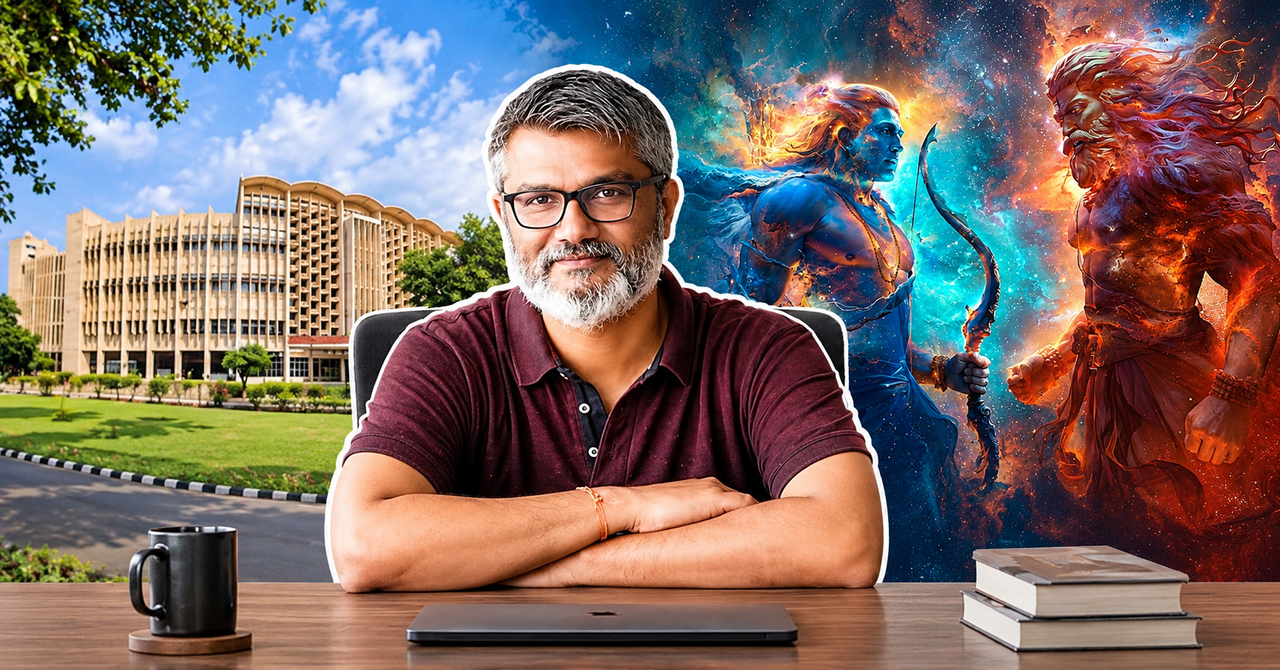
When Nitesh Tiwari left a software company after four months, he had no film career waiting for him, only an IIT Bombay engineering degree and an interest in writing.
Nearly three decades later, he has directed Ramayana: Part 1. Released on 5 November 2026, it travelled to more than 130 countries and crossed ₹1,000 crore in worldwide gross collections in its opening week, according to a Prime Focus investor presentation. Yet Tiwari’s route to the director’s chair began in a college hostel.
The campus where storytelling began
Tiwari graduated from IIT Bombay in 1996 with a BTech in Metallurgical Engineering. He did not arrive on campus thinking of a career in cinema; its extracurricular culture introduced him to performance and writing.
Hostel competitions brought students into theatre, one-act plays and miming. Encouraged by a senior, Tiwari entered the Freshy Miming Competition and won. He then won the senior competition for four consecutive years and directed hostel plays in his third and fourth years.
View this post on Instagram
He told Hindustan Times in 2022 that the response to his performances sparked his interest in dramatics and writing. Engineering, he said, later helped him think analytically while structuring screenplays.
During his third year, he interned at advertising agency RK Swamy BBDO, where he decided to give writing a chance. His experience reflects the influence of campus theatre in shaping creative careers.
From software to advertising, then cinema
After graduating, Tiwari joined a software company. He kept questioning whether he wanted to do that work for the rest of his life. Four months later, he quit, choosing to try writing before the comfort of a salary made it harder to change direction.
He joined FCB Ulka at one-fourth of his software salary, Hindustan Times reported. Three of the five agencies he applied to rejected him. Ulka hired him after a copy test and a poem, despite initially questioning why an IIT graduate wanted to write.
Advertising became a substantial career. IIT Bombay’s alumni profile says Tiwari spent 18 years in the industry: four at FCB Ulka, three at Lowe Lintas and 11 at Leo Burnett. He rose to become Chief Creative Officer at Leo Burnett in Mumbai. Advertising taught him to write for audiences and collaborate.

His entry into filmmaking was not part of a mapped career plan. Tiwari and fellow advertising professional Vikas Bahl had written Chillar Party but could not find a director willing to take on a film featuring children and a dog. They decided to direct it themselves rather than abandon the script. In a 2019 interview with Scroll, Tiwari described the move as an unplanned step into filmmaking.
Released in 2011, Chillar Party won the National Film Award for Best Children's Film and Best Original Screenplay. Tiwari went on to direct Bhoothnath Returns, Dangal and Chhichhore. He also co-wrote Nil Battey Sannata and Bareilly Ki Barfi. His journey is among the engineering graduates who found their way into filmmaking.
A much larger canvas
Dangal became a defining point in his career. The 2016 film, based on wrestler Mahavir Singh Phogat and his daughters Geeta and Babita, became a major international commercial success, including in China, where it reached audiences well beyond the usual Hindi-film market.

Tiwari received the Filmfare Award for Best Director in 2017, according to IIT Bombay’s alumni profile. Chhichhore, released in 2019, returned him to the campus setting that had shaped his early creative life. His career also reflects the relationship between theatre and cinema in the making of performers and storytellers.
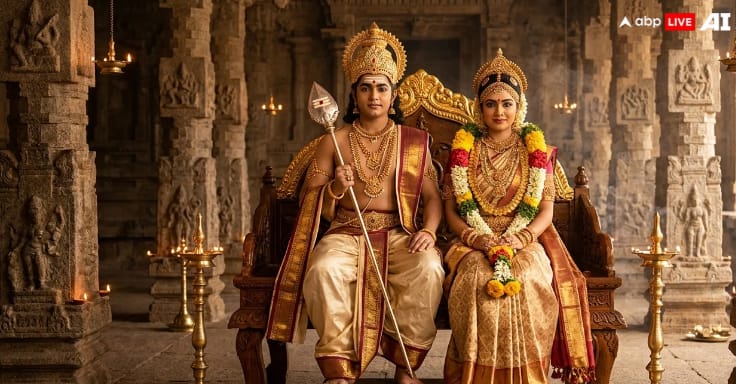
His latest assignment, Ramayana, takes that storytelling journey to a different scale, drawing on an epic familiar to audiences across generations. The two-part adaptation brings together a large cast and a global production and distribution effort. The first instalment was released in Hindi, Tamil, Telugu, Kannada and Malayalam.
Prime Focus’s November 2026 investor presentation described it as the widest global release for an Indian film, with screenings in more than 130 countries and major premium formats including IMAX, Dolby Cinema, ScreenX and 4DX.
The company also reported that the film crossed ₹1,000 crore in worldwide gross collections in its opening week. The figures come from the production company’s disclosure. A second instalment is planned.
His journey was not an overnight leap from engineering to cinema. It passed through years of advertising, writing and collaboration. It began with a decision to leave a job after four months and give writing a chance; it has since taken him from hostel performances to a film released across continents.
Sources
'Mr. Nitesh Tiwari': by IIT Bombay Alumni Association, publication date not specified, IIT Bombay Alumni Profile.
'Nitesh Tiwari: I Always Make Films for the Audience and Not for Myself': by Mihir Chitre for Hindustan Times, Published on 30 September 2022
'Chhichhore Director Nitesh Tiwari: Closest to My Heart, and I've Always Followed My Heart': by Devarsi Ghosh for Scroll, Published on 5 September 2019
This content is published by The Better India and has not been created or edited by Hello Headlines. View original