India's GDP Base Year Revision: Panel Proposes GST Data, Enterprise Surveys To Estimate State Economies
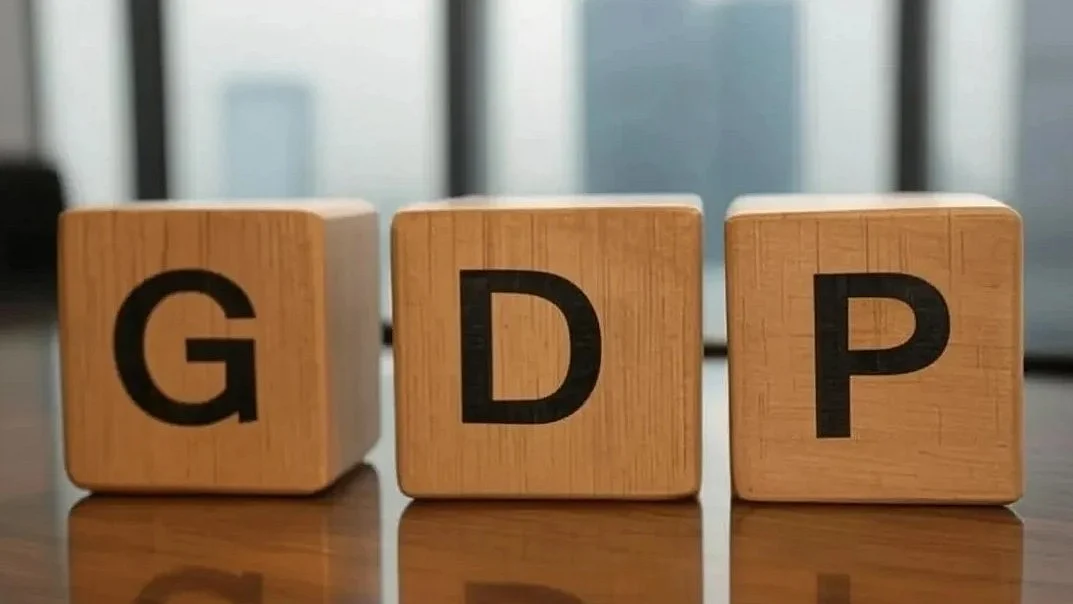
A government-appointed sub-committee has recommended significant changes to the methodology for calculating state-level economic output under the revised 2022-23 base-year series, proposing greater reliance on tax records, government expenditure data and enterprise surveys.
According to a report by Business Standard, the report by the Sub-Committee on Regional Accounts, released by the National Statistics Office (NSO) on Wednesday, seeks to improve the estimation of state domestic product (SDP) and district domestic product (DDP).
The proposed framework aims to replace outdated indicators, including state-wise cement and steel consumption, historical government employment figures and fixed ratios established under the 2011-12 base-year series.
Revised GDP, CPI Data To Help RBI Make Better Policy Decisions: Poonam GuptaGST Returns And Salary Data To Improve State GDP Estimates
For private companies operating outside agriculture, allied activities, mining and manufacturing, the panel recommended using industry-wise outward supply data reported under the Goods and Services Tax (GST) framework to distribute national value-added estimates among states.
The methodology assumes that a company's reported sales within a state reflect its production in that region.
For central government activities, the committee proposed using location-specific salary payments recorded through the Public Financial Management System (PFMS) to determine each state's contribution to value-added.
This would replace the existing methodology based on central government employee numbers drawn from a census published in April 2014.
Annual Enterprise Surveys To Replace Outdated Economic Indicators
The committee recommended using the Annual Survey of Unincorporated Sector Enterprises (ASUSE) to calculate state-wise allocations of national gross value-added (GVA) estimates for the unorganised sector.
The survey would facilitate annual revisions using state-specific and industry-specific enterprise data.
For forestry, the panel proposed replacing the existing fixed input rate of 16.2% of output with annual revisions based on expenditure figures from state and central government budget documents.
The committee also favoured single extrapolation using producer price indices for estimating state-level manufacturing output at constant prices instead of adopting the double deflation methodology used for national estimates.
Chaired by Ravindra H Dholakia, the sub-committee operates under the Advisory Committee on National Accounts Statistics (ACNAS), which oversees the ongoing revision of the national accounts base year.
Level up your brain the fun way. Play daily games and quizzes on FPJ Smart!
This content is published by Free Press Journal and has not been created or edited by Hello Headlines. View original