India Biennale 2026: Naresh Kumar Kumawat On The Philosophy Behind ‘You Are That’ And The Role Of Public Art In Mumbai | FPJ Exclusive
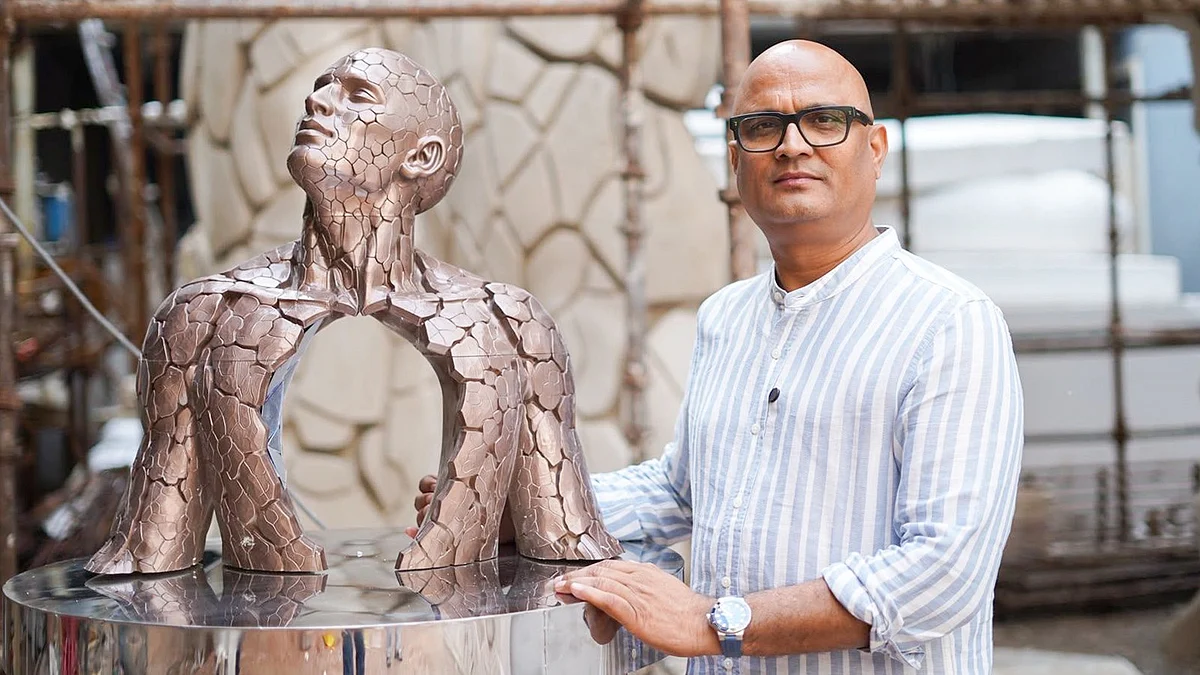
Imagine standing in front of a 22-foot sculpture and seeing yourself reflected in its chest. That is the idea behind The Mirror Within, a stainless steel installation by sculptor Naresh Kumar Kumawat, which will be showcased at the India Art, Architecture & Design Biennale 2026 in Delhi from December 4.
A biennale is a large international contemporary art exhibition held every two years. Following its inaugural 2023-24 edition, which was spread across 22 venues in Delhi, including Purana Qila, the Red Fort and Humayun's Tomb, India is now hosting its second edition.
Kumawat has spent much of his career creating larger-than-life sculptures of deities and public figures, with his work spanning more than 40 countries. His creations include the 369-foot Shiva statue, known as the Statue of Belief, in Nathdwara, Rajasthan; the 206-foot Statue of Social Justice, Sardar Vallabhbhai Patel and Dr. B.R. Ambedkar bronze art at the New Parliament Building, and a 51-foot statue of Lord Ram in Canada, installed last year.
The Mirror Within marks a departure from his usual work. In an exclusive conversation with the Free Press Journal, he spoke about the idea behind the installation, how technology is changing the craft, and why artisans' skills continue to matter. He also revealed where he would like to bring his art to Mumbai: Marine Drive.
View this post on Instagram
An Old Idea In Steel
The sculpture is inspired by 'Tat Tvam Asi', an Upanishadic philosophy that translates to 'You Are That'. Through this concept, Kumawat explores the idea that an individual is not separate from the world around them.
"I wanted to explore this thought through a sculpture that people could experience for themselves," he says.
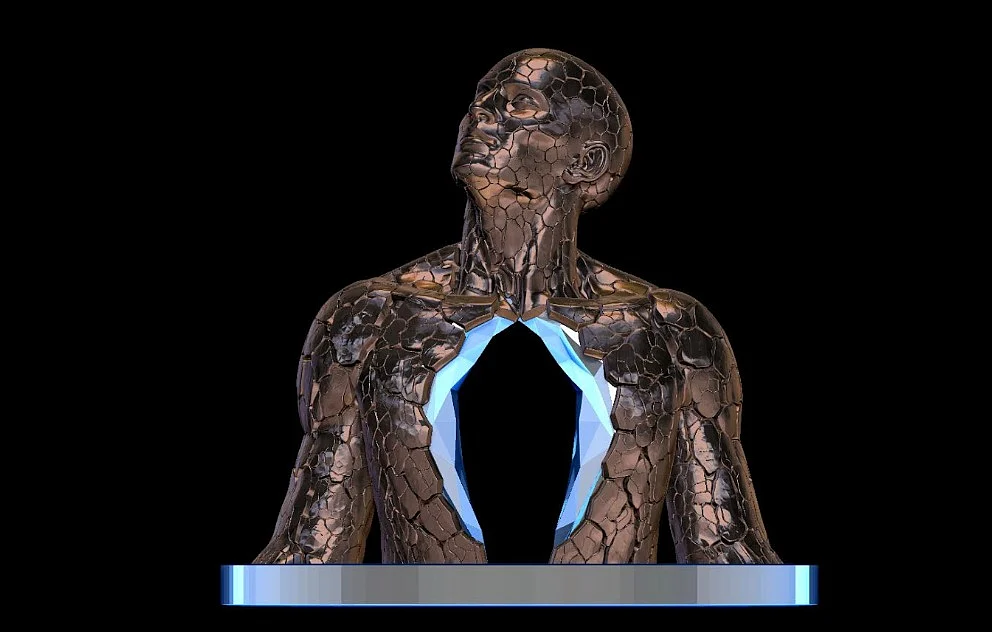
Every element of the human form carries a meaning. The upward-facing head represents awareness and the search for truth, while the open space in the chest symbolises the inner self. The mirror finish allows visitors to see themselves as part of the artwork.
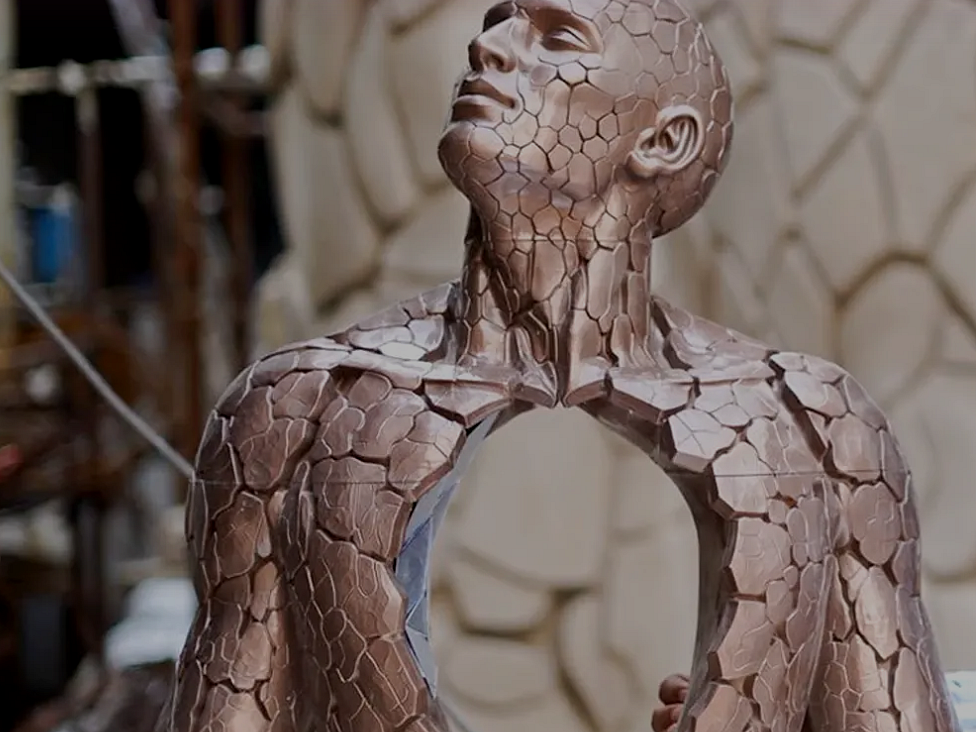
"Through these elements, I have tried to bring an ancient Indian thought into a form that people today can connect with," he says.
He believes this philosophy is particularly relevant today, when people are often influenced by external opinions and social pressures.
"Our identity is connected to something much larger than ourselves," he says. However, he does not want to prescribe what viewers should take away from the installation. "I would leave it to each visitor to look at the sculpture and find their own meaning in it."
Reflections That Keep Changing
The mirror captures more than just the viewer. It also reflects the sky, the surrounding landscape and everything around the installation. These reflections change as people move, making every viewing experience different.
"The experience is never quite the same," Kumawat says. He hopes visitors will spend time with the artwork and develop their own interpretations of it. Achieving the perfect finish, however, is no easy task.
Wait… what if an entire city became a masterpiece?
— Rekha Gupta (@gupta_rekha) November 17, 2026
Imagine centuries-old monuments buzzing with fresh ideas, iconic landmarks reimagined through the eyes of a new generation!
108 young artists. 108 days. 22+ iconic venues.
With India Biennale 2026, Delhi won’t just showcase… pic.twitter.com/68jekdW2Mn
"Since the sculpture features a mirror-like finish, even tiny things can become significant, as they might influence the appearance of the entire sculpture," he says.
Proportion and structural strength are equally important. Bringing the installation to life requires close collaboration between artists, craftsmen and engineers.
Craft In The Age Of AI
Kumawat welcomes the use of technology in sculpture-making. He points out that digital modelling and 3D scanning have made it easier to work with measurements, particularly when creating large-scale installations.
However, he does not believe machines can replace the understanding an artist develops through hands-on experience with materials.
"Technology may simplify certain steps, but it cannot eliminate the role of an artist's vision or an artisan's skills," he says. "Both can coexist."
Mumbai Next?
Although Kumawat has not yet created a sculpture in Mumbai, he has undertaken several large-scale projects in Maharashtra, including a 72-foot Ganesha sculpture in Talegaon and a 162-foot Hanuman statue in Koradi, Nagpur.
"Mumbai is a city I would very much like to work in," he says, adding that its scale and cultural diversity offer plenty of scope for public art.
If he could install The Mirror Within anywhere in the city, his choice would be Marine Drive, a public space frequented by people from different backgrounds. He believes its open surroundings and changing reflections would complement the installation and its message about human interconnectedness.
He also feels Mumbai needs more public art as the city continues to grow and develop.
"Not everyone gets a chance to visit art galleries or exhibitions, but if a sculpture is in a public space, everybody can see it," he says. "It becomes a part of people's daily life."
Level up your brain the fun way. Play daily games and quizzes on FPJ Smart!
This content is published by Free Press Journal and has not been created or edited by Hello Headlines. View original