5 lessons from the book Why We Sleep by Matthew Walker
Sleep is often treated as something we can sacrifice when life gets busy. Late-night work, endless scrolling and early morning commitments have made sleeping less seem normal. But what if losing those hours is affecting more than just our energy levels?
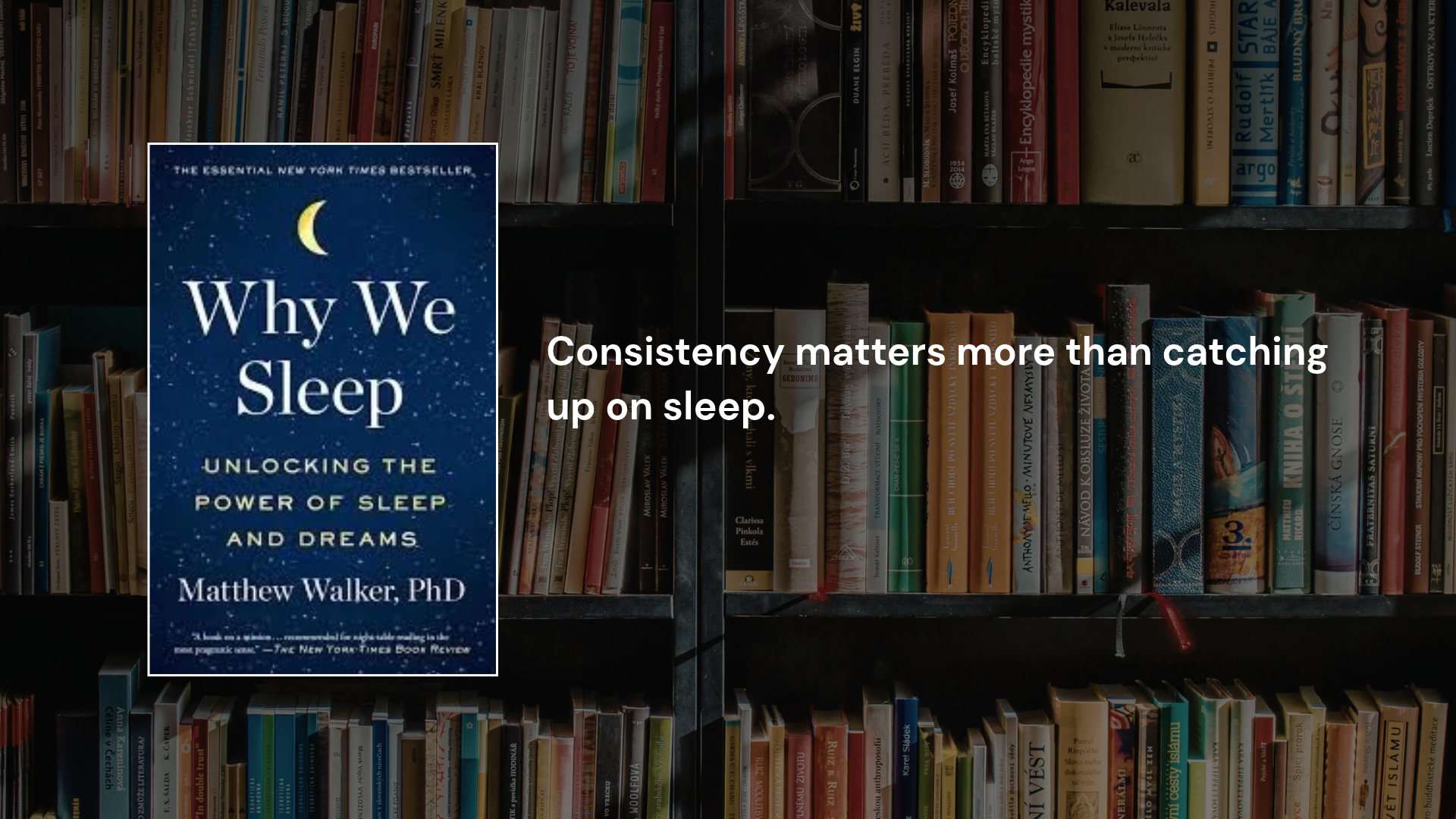
In Why We Sleep: Unlocking the Power of Sleep and Dreams, neuroscientist Matthew Walker explores the science behind one of the most essential parts of human life.
Drawing on decades of sleep research, he explains how sleep supports the brain, influences physical health and shapes our ability to learn, remember and manage emotions. The book challenges the idea that sleep is unproductive time.
5 Key lessons that can change how we think about rest.
1. Sleep is essential for learning and memory
One of the key lessons in Why We Sleep is that sleep plays an important role in how we learn and remember information. The brain does not simply switch off when we fall asleep. It continues processing and organising what we have experienced during the day.
Walker explains that sleep helps strengthen newly acquired memories and makes it easier to retain information. Both non-REM and REM sleep contribute to different aspects of memory processing.
This means studying for longer hours at the expense of sleep may not always improve learning. Giving the brain enough time to rest is also part of preparing it to absorb and recall information.
2. Sleep affects both physical and mental health
Sleep is closely connected to the body's ability to function properly. Walker explores how insufficient sleep is associated with changes in the immune system, metabolism, appetite and cardiovascular health.
The effects are not limited to the body. Sleep deprivation can also influence mood, concentration, decision-making and emotional stability. Even a few nights of inadequate sleep can leave people feeling less alert and more irritable.
The lesson is simple: sleep should not be treated as a luxury that can be postponed indefinitely. It is one of the foundations of overall well-being.
3. Dreams play a role in emotional processing
Dreaming is another fascinating subject explored in the book. Walker discusses how REM sleep, the stage commonly associated with vivid dreaming, may help the brain process emotional experiences.
During this stage, the brain revisits memories and experiences in ways that may help reduce the emotional intensity attached to certain events. Walker presents dreaming as one of the ways the brain works through experiences and connects different pieces of information.
This offers a different perspective on dreams. Rather than viewing them as random images or stories, the book encourages readers to consider how dreaming may contribute to emotional regulation and creativity.
4. Caffeine and alcohol can disrupt sleep
Many people rely on coffee to stay awake during the day without considering how long caffeine remains active in the body. Walker explains that caffeine blocks adenosine, a chemical that builds up while we are awake and contributes to the feeling of sleepiness.
As a result, caffeine can make someone feel alert even when the body's need for sleep is increasing. Its effects can also continue for hours after consumption, potentially making it harder to fall asleep.
Alcohol can be equally misleading. Although it may make someone feel sleepy, it can disrupt the natural sleep cycle and reduce sleep quality, particularly by interfering with REM sleep.
The takeaway is to be mindful of what we consume and when. Feeling sleepy after a drink does not necessarily mean the body is getting restorative sleep.
5. Consistency matters more than catching up on sleep
Another important lesson from Walker's research is that sleep should be a regular priority rather than something we try to recover during weekends.
Changing sleep and wake times frequently can disrupt the body's internal clock, also known as the circadian rhythm. An irregular schedule may make it harder to fall asleep and wake up feeling refreshed.
Walker encourages readers to maintain consistent sleep and wake times, create a comfortable sleeping environment and avoid habits that interfere with rest.
For most adults, aiming for seven to nine hours of sleep each night is a useful general guideline. The goal is not simply to spend more time in bed occasionally, but to build a routine that supports regular, quality sleep.
Also Read How consistency quietly builds confidence you can trust
Final thoughts
Why We Sleep by Matthew Walker makes a compelling case for treating sleep as an essential part of everyday life. It connects something as ordinary as a night's rest with learning, memory, emotional well-being and physical health.
Its biggest lesson is that productivity should not come at the cost of recovery. Staying up late may create the illusion of gaining extra hours, but consistently sacrificing sleep can affect how effectively we use the time we have.
Sometimes, one of the most productive things we can do is simply get a good night's sleep.
This content is published by YourStory and has not been created or edited by Hello Headlines. View original