Pradosh Vrat December 2026: Check Dates, Ravi And Som Pradosh Significance, Puja Vidhi
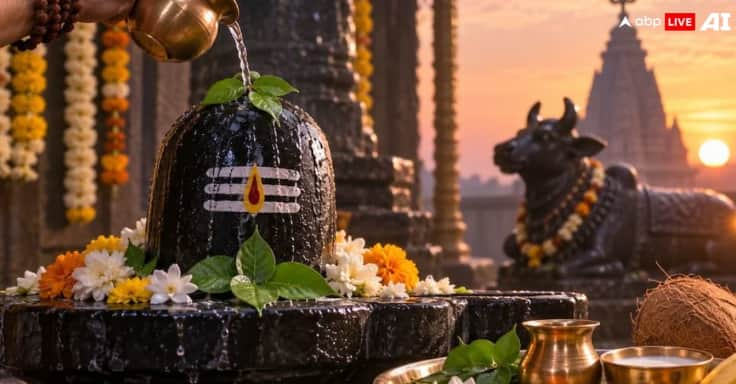
Pradosh Vrat holds special significance in Hinduism and is dedicated to Lord Shiva and Goddess Parvati. Observed twice every month on Trayodashi Tithi, this fast is believed to bring peace, prosperity and divine blessings to devotees. In December 2026, Pradosh Vrat will be observed on two occasions, with both fasts falling on Sunday and Monday.
According to religious beliefs, worshipping Lord Shiva and Goddess Parvati during Pradosh Kaal, the twilight period around sunset, is considered particularly auspicious. Devotees observe a fast, perform Abhishek and offer prayers to seek blessings and relief from difficulties.
Pradosh Vrat December 2026: Dates And Days
According to the Hindu calendar, two Pradosh Vrats will be observed in December 2026. These will fall during the Krishna Paksha and Shukla Paksha Trayodashi Tithis.
- First Pradosh Vrat: December 6, 2026 (Sunday)
- Second Pradosh Vrat: December 21, 2026 (Monday)
The first fast will be observed as Ravi Pradosh Vrat, while the second will be known as Som Pradosh Vrat.
Devotees should check their local Panchang for the precise Trayodashi timings and puja muhurat, as these may vary depending on the city.
Ravi And Som Pradosh Vrat: Why Are They Special?
The day on which Pradosh Vrat falls is believed to influence its religious significance. In December 2026, devotees will observe two Pradosh fasts associated with Sunday and Monday.
Ravi Pradosh Vrat: The first Pradosh Vrat will fall on Sunday, December 6. According to religious beliefs, observing Ravi Pradosh Vrat is associated with good health, longevity and social recognition. Devotees worship Lord Shiva to seek his blessings and well-being.
Som Pradosh Vrat: The second fast will be observed on Monday, December 21. Since Monday is dedicated to Lord Shiva, Som Pradosh Vrat holds special religious significance. Worshipping Mahadev and performing Rudrabhishek on this day is believed to bring mental peace and fulfil devotees' wishes.
ALSO READ | Tirupati Balaji Temple Receives 121 Kg Gold Donation; Lord Venkateswara To Be Adorned In New Ornaments Today
Religious Significance Of Pradosh Vrat
According to Hindu mythology, Pradosh Kaal is considered an especially auspicious time to worship Lord Shiva. Religious beliefs state that Lord Shiva performs his divine dance at Mount Kailash during this period, while other deities offer prayers and praise him.
Observing Pradosh Vrat with devotion is believed to bring several spiritual and personal benefits.
- Relief From Negative Influences: Observing this fast regularly is believed to help devotees overcome past sins and negative influences. Some traditions also associate the fast with relief from Chandra Dosha.
- Financial And Family Well-Being: Worshipping Lord Shiva and Goddess Parvati is believed to bring happiness, prosperity and harmony to family life.
- Mental Peace: Devotees believe that praying to Mahadev during Pradosh Kaal helps calm the mind and brings spiritual strength.
- Divine Blessings: The fast is observed to seek the blessings of Lord Shiva and Goddess Parvati for a peaceful and prosperous life.
Pradosh Vrat Puja Vidhi
Devotees follow specific rituals while observing Pradosh Vrat. The evening worship performed during Pradosh Kaal is considered particularly important.
- Morning Preparations: Wake up early, preferably before sunrise, take a bath and wear clean clothes. Offer prayers to Lord Shiva and take a resolution to observe the fast with devotion.
- Evening Worship: Pradosh Kaal begins approximately 45 minutes before sunset and continues until 45 minutes after sunset. Devotees should clean the place of worship and prepare for the evening puja during this period.
- Perform Abhishek: Offer Gangajal, raw milk, curd, honey and ghee to the Shivling as part of the Abhishek ritual. Devotees can also offer Belpatra, Dhatura, Bhang, Shami leaves, white flowers and Akshat.
- Chant Mantras And Perform Aarti: Chant the mantra 'Om Namah Shivaya' and read or listen to the Pradosh Vrat Katha. Conclude the puja by performing Lord Shiva's Aarti with a ghee lamp.
[Disclaimer: The information provided here is based on religious beliefs and traditional knowledge. ABPLive.com does not confirm or endorse any of these beliefs or practices. Readers are advised to consult relevant experts before acting on any information.]
This content is published by ABP Live - Lifestyle and has not been created or edited by Hello Headlines. View original