Supreme Court Issues Notice To Centre On Pleas Challenging Mandatory Singing Of Six Stanzas Of Vande Mataram
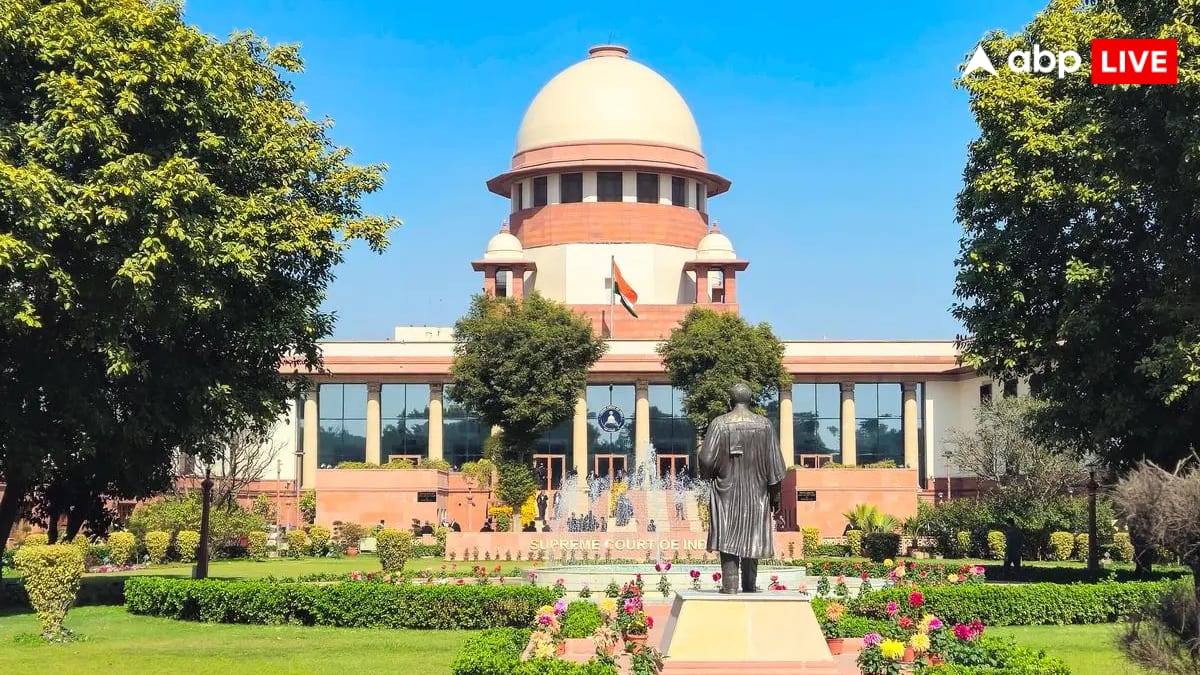
The Supreme Court on Tuesday issued notice to the Centre on two petitions challenging the Union government’s orders prescribing the singing and playing of all six stanzas of ‘Vande Mataram’ on specified occasions. The pleas argue that the directives, issued by the Ministry of Home Affairs on January 28 and July 9, 2026, undermine secularism and fraternity and infringe fundamental rights. The petitioners include Buddhist Ambedkarite activist BD Borkar and former IAS officer Balakrishnan Sathyabhama Mavoji.
Petitioners Challenge 6-Stanza Version
The Bench, comprising Chief Justice Surya Kant and Justices Joymalya Bagchi and VMohana, issued notice after the petitions were taken up, according to LiveLaw.
The petitioners contend that the government’s directives effectively replace the two-stanza version traditionally sung at national functions with the full six-stanza composition featured in Bankim Chandra Chatterjee’s novel Anandamath.
They argue that the first two stanzas describe the natural beauty of the motherland, while the remaining four invoke Hindu goddesses Durga, Lakshmi and Saraswati. According to the pleas, mandating the complete composition could hurt the religious sentiments of minority communities and undermine India’s secular character.
The petitioners have also questioned the Ministry of Home Affairs’ authority to change the prescribed version of the National Song through executive orders.
Also Read: Kharge Releases List Of Voter Deletions In 13 States, Asks Why CEC Is Being ‘Protected’
Fundamental Rights At Centre
The pleas allege that compulsory singing of the six-stanza version would violate constitutional protections, including freedom of speech and expression under Article 19(1)(a) and freedom of religion under Article 25(1).
They argue that freedom of expression includes the right to remain silent and that declining to sing a national song should not automatically be treated as disrespect. The petitioners have cited the Supreme Court’s 1986 judgment in Bijoe Emmanuel vs State of Kerala, which protected students who refused to sing the National Anthem on religious grounds.
The pleas seek the quashing of the two government orders and a declaration that citizens cannot be compelled to sing or play the National Song or face penalties for abstaining. They have also asked the court to recognise the two-stanza version as the standalone National Song.
The Supreme Court had previously heard a similar challenge by Carnatic vocalist TM Krishna, during which it indicated that people who refuse to sing ‘Vande Mataram’ for religious or other reasons should not be penalised.
This content is published by ABP Live - India and has not been created or edited by Hello Headlines. View original