SBI Credit Card Charges: 1% Fee On High-Value Fuel And Transport Payments From December 1
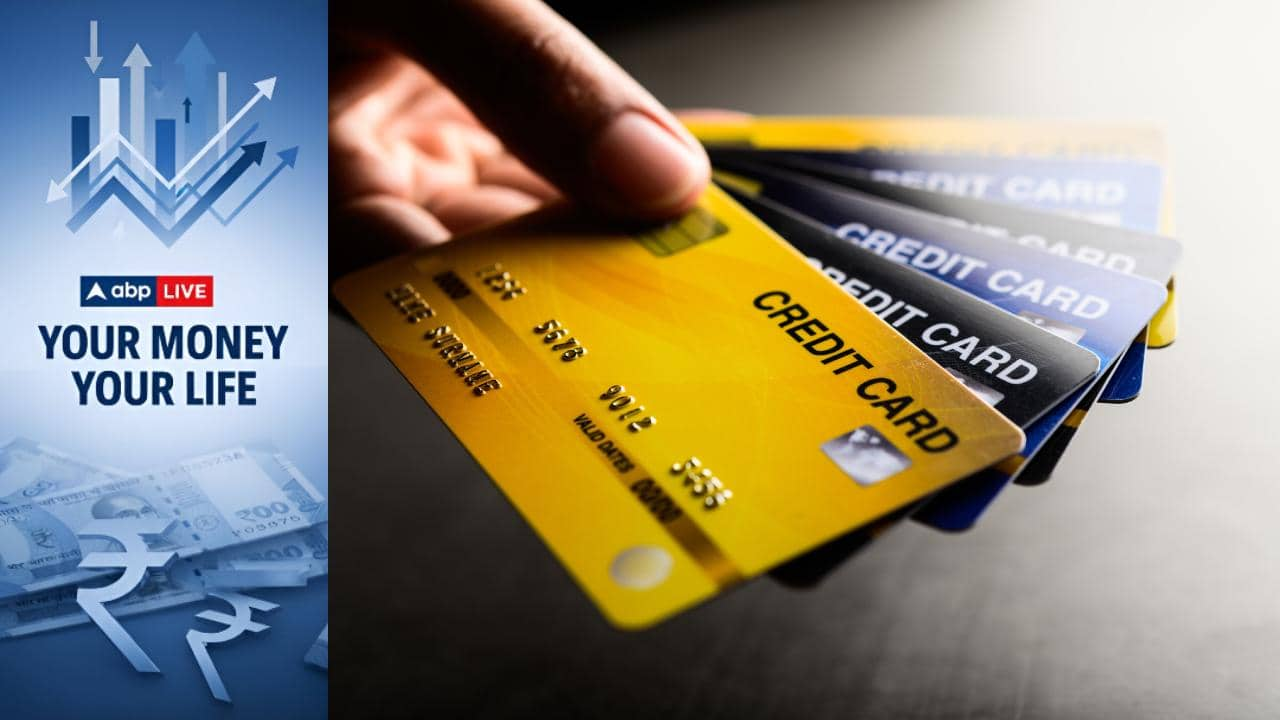
SBI Card is introducing revised charges for certain high-value fuel and transport payments from December 1, 2026. Under the new rules, customers could pay an additional 1% on fuel transactions if their spending crosses a specified billing-cycle limit. A separate threshold will apply to individual transport payments.
The changes were outlined in a notice published on the SBI Card website on October 27, with the company also informing customers through email. The charges will depend on transaction values and the Merchant Category Codes (MCCs) assigned to payments.
Two Spending Thresholds Will Determine The Additional Charges
The revised rules distinguish between fuel purchases and transport payments. For fuel, the threshold is based on cumulative spending during a billing cycle. For transport, the value of each individual transaction will determine whether the fee applies.
Transaction Category Spending Threshold Additional Charge Fuel payments Total fuel spending exceeds Rs 50,000 in a billing cycle 1% of the total fuel expenditure Eligible transport payments A single transaction exceeds Rs 30,000 1% of the transaction valueThis distinction is important because the fuel fee is calculated on the entire eligible expenditure once the threshold is crossed, while the transport fee is linked to an individual payment.
Also Read : Jio Platforms Lists At 21% Premium Over IPO Price, Becomes Second Most Valuable Company
Fuel Spending Above Rs 50,000: How The Fee Is Calculated
Customers whose total eligible fuel expenditure exceeds Rs 50,000 during a billing cycle will face a 1% charge on the full amount.
For example, a cardholder spending Rs 60,000 on fuel in one billing cycle would incur a fee of Rs 600. The calculation would cover the entire Rs 60,000 rather than only the Rs 10,000 spent above the threshold.
If the total fuel expenditure remains at Rs 50,000 or below, the additional fee will not apply under the announced rule.
The change may be particularly relevant for businesses and vehicle operators that use SBI credit cards for frequent or high-value fuel purchases.
Transport Payments: Rs 30,000 Limit Applies To Each Transaction
For specified transport-related payments, the additional charge will apply when a single transaction exceeds Rs 30,000.
A payment of Rs 35,000, for instance, would attract a 1% fee, amounting to Rs 350.
The threshold does not refer to the customer's combined transport spending over an entire billing cycle. Instead, each eligible transaction will be assessed separately.
Customers making large payments for transport services should therefore check whether the transaction falls within the categories covered by the revised policy.
SBI Card MCC List: Which Transactions Are Covered?
The applicability of the charges will be determined by Merchant Category Codes, which identify the type of business or service associated with a payment.
For transport-related transactions, SBI Card has listed the following codes:
MCC 4111: Local and suburban commuter passenger transport.
MCC 4784: Toll and bridge fees, including certain FASTag payments.
MCC 4131: Bus services.
For fuel transactions, the specified codes are MCC 5172, 5541, 5542 and 5983, which are associated with fuel dealers, petrol pumps and fuel-related sales.
The information provided does not specifically clarify whether airline and railway ticket purchases will attract the new transport fee. Customers should check the applicable MCC rather than assume that all travel-related transactions are covered.
SBI Card has also noted that payment networks determine MCCs and may change them without prior notice to customers.
Also read : Share Markets Wary, Investors Await Fed Rate Call; Jio IPO Debut Soon: Sensex 500 Points Down
Who Needs To Review Their SBI Credit Card Spending?
The revised charges are most likely to matter to customers whose transactions cross the specified limits.
Businesses purchasing large quantities of fuel, fleet operators and other customers with substantial fuel expenditure should monitor their spending across each billing cycle. Taxi drivers and customers making large FASTag payments may also need to check whether their transactions fall within the relevant categories.
For other cardholders, the key consideration will be whether their fuel expenditure crosses Rs 50,000 in a billing cycle or an eligible transport payment exceeds Rs 30,000 in a single transaction.
How To Contact SBI Card For Clarification
Customers can review their billing-cycle dates, track fuel expenditure and check the categories assigned to their transactions before the new rules take effect on December 1, 2026.
For questions about the revised charges, SBI Card has provided the following helpline numbers:
- 1860 180 1290
- 39 02 02 02 - add the local STD code where required.
Checking the applicable transaction category and spending threshold can help cardholders understand whether the revised fee will affect their payments.
This content is published by ABP Live - Personal Finance and has not been created or edited by Hello Headlines. View original