World Heart Federation President Dr Jagat Narula Seeks Lord Mahakal's Blessings At Mahakaleshwar Temple In MP's Ujjain, Raises Concern Over Heart Disease Among Young Indians
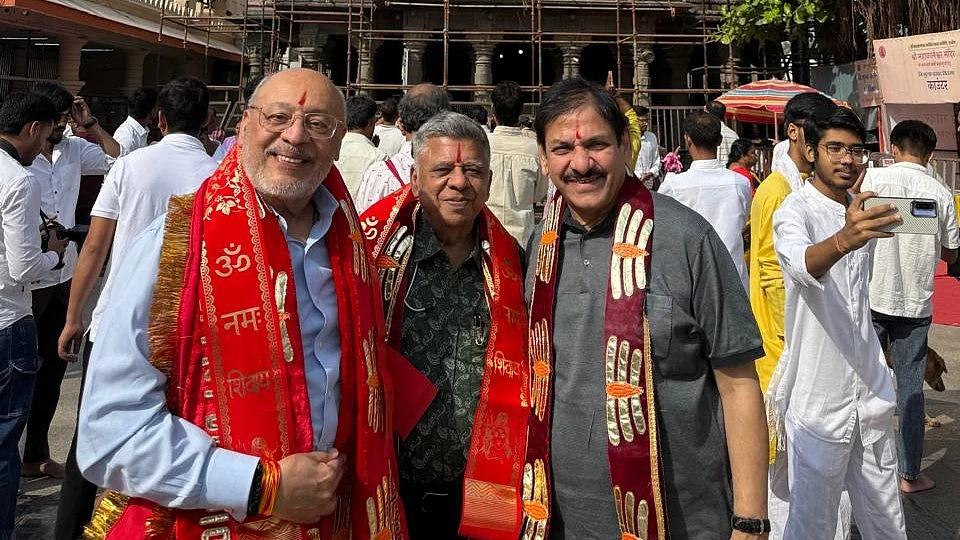
Ujjain (Madhya Pradesh): Dr Jagat Narula, president of the World Heart Federation, one of the world’s leading organisations dedicated to cardiovascular health, visited Mahakaleshwar Temple to seek the blessings of Lord Shiva.
On this occasion, Ujjain-based senior cardiologist Dr Vijay Garg shared important information about heart disease and its prevention. Dr Narula explained that air pollution, food adulteration, fast-food consumption, prolonged sitting while using laptops and mobile phones, lack of exercise, and abdominal obesity are among the major factors contributing to heart disease. A waist circumference exceeding 36 inches is a significant risk factor for many people.
He expressed concern that heart disease is increasingly affecting people in Asia, particularly India, at younger ages, sometimes even before the age of 40. This is a worrying trend that highlights the importance of prevention and early diagnosis.
According to Dr Narula, modern medical investigations can help identify potential cardiovascular risks even before symptoms appear. These include blood tests for Lp(a) and LDL cholesterol, hs-CRP testing, CT scans to detect coronary artery calcification, stress tests, and abdominal scans to identify conditions such as abdominal aortic aneurysms.
Dr Narula also discussed advances in cardiovascular treatment. PCSK9 inhibitors have become an important option for lowering LDL cholesterol in suitable patients.
These injectable medications are generally administered every two weeks or six months, depending on the specific drug, and can produce significant reductions in LDL cholesterol. However, treatment costs may be a concern for some patients.
He also emphasised that dietary and lifestyle changes can play an important role in reducing cardiovascular risk. Eating home-cooked meals, having dinner before 8 p.m. when practical, and using mustard oil in moderation as part of a balanced diet may support healthier eating habits.
In the coming years, artificial intelligence and advanced imaging techniques are expected to play an increasingly important role in cardiovascular risk assessment and diagnosis. The occasion was also attended by Dr Satyendra Tiwari of Lucknow, the incoming president of the All India Heart Disease Institute.
MP High Court Orders Removal Of Encroachments From Indore's Khajrana Land Within 30 DaysThis content is published by Free Press Journal and has not been created or edited by Hello Headlines. View original