RBI's Polymer Currency May Have Same Dimensions As Regular Notes To Help Banks Avoid ATM Reconfiguration Costs
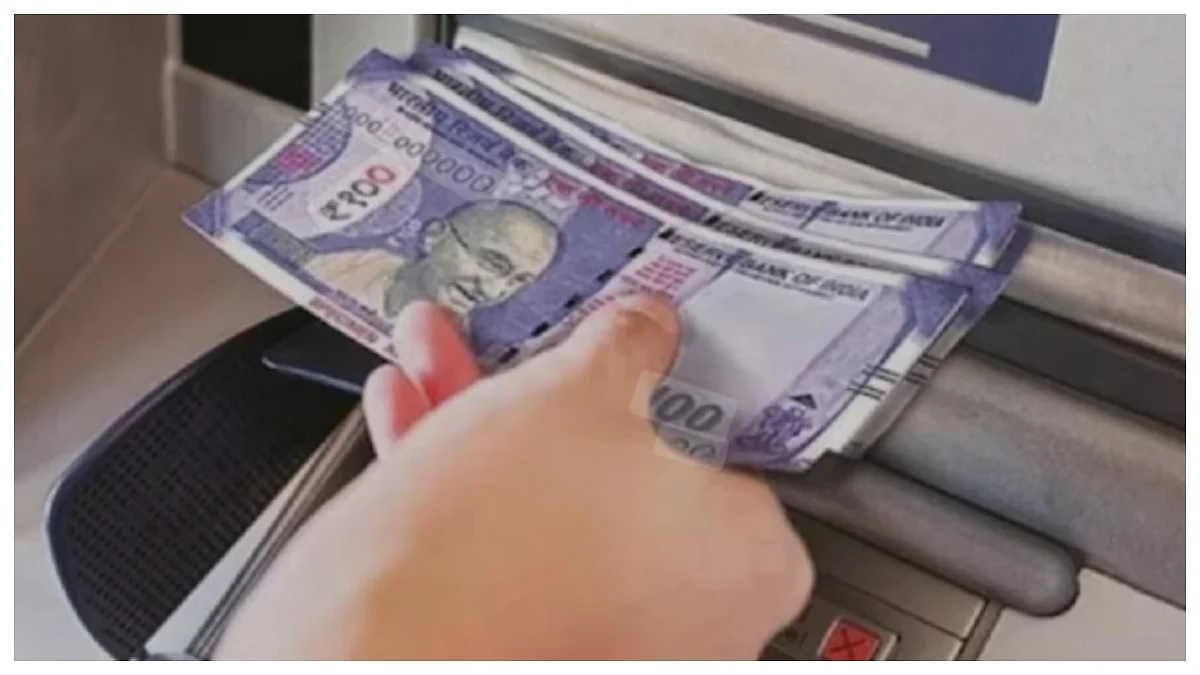
The Reserve Bank of India (RBI) is planning a pilot rollout of polymer Rs10 and Rs20 banknotes from April 1, 2027, while retaining their existing dimensions to minimise ATM modification costs, Moneycontrol reported.
The proposed approach would spare banks expenditure on replacing cash-dispensing cassettes, upgrading sensors and recalibrating machines.
Bank officials cited in the report said that retaining the current note sizes would help avoid substantial upfront expenditure, particularly as the initial rollout would cover smaller denominations.
Earlier nationwide ATM recalibration exercises following the introduction of new Rs100 and Rs200 notes reportedly cost the industry around Rs100 crore across approximately 2.4 lakh machines.
Plastic Currency Notes Coming Soon, But When Will They Reach Your Wallet?A bank operating 8,500 ATMs could avoid an estimated Rs21.25 crore in expenses, assuming recalibration costs of Rs2.5 lakh per machine, according to a public sector bank official.
During the pilot, polymer notes could be distributed through bank branches, allowing lenders to defer hardware modifications until wider circulation becomes necessary.
The government has approved field trials involving one billion notes each in the Rs10 and Rs20 denominations.
As per the report, Bharatiya Reserve Bank Note Mudran Private Limited (BRBNMPL), an RBI subsidiary, has received six bids for supplying polymer banknote material.
Domestic polymer manufacturer Uflex, partnering with US-based Spectra Systems, is among the bidders.
The tender covers 68,000 reams of biaxially oriented polypropylene (BOPP) substrate, divided equally between the two denominations.
The material must meet specifications covering ink adhesion, printability, opacity and anti-static properties.
Suppliers must also ensure that the substrate contains no animal tallow or DNA derived from it.
RBI Governor Sanjay Malhotra said in August that polymer banknotes could last two to four times longer than conventional paper notes.
Their durability will be assessed under Indian climatic and operational conditions before any decision on wider circulation.
Several countries, including Australia, the United Kingdom, Canada, New Zealand and Singapore, already use polymer currency.
This content is published by Free Press Journal and has not been created or edited by Hello Headlines. View original