Delhi Food Safety Department Seizes 948 Litres Of Fake Ghee: 3 Ways To Check Its Purity
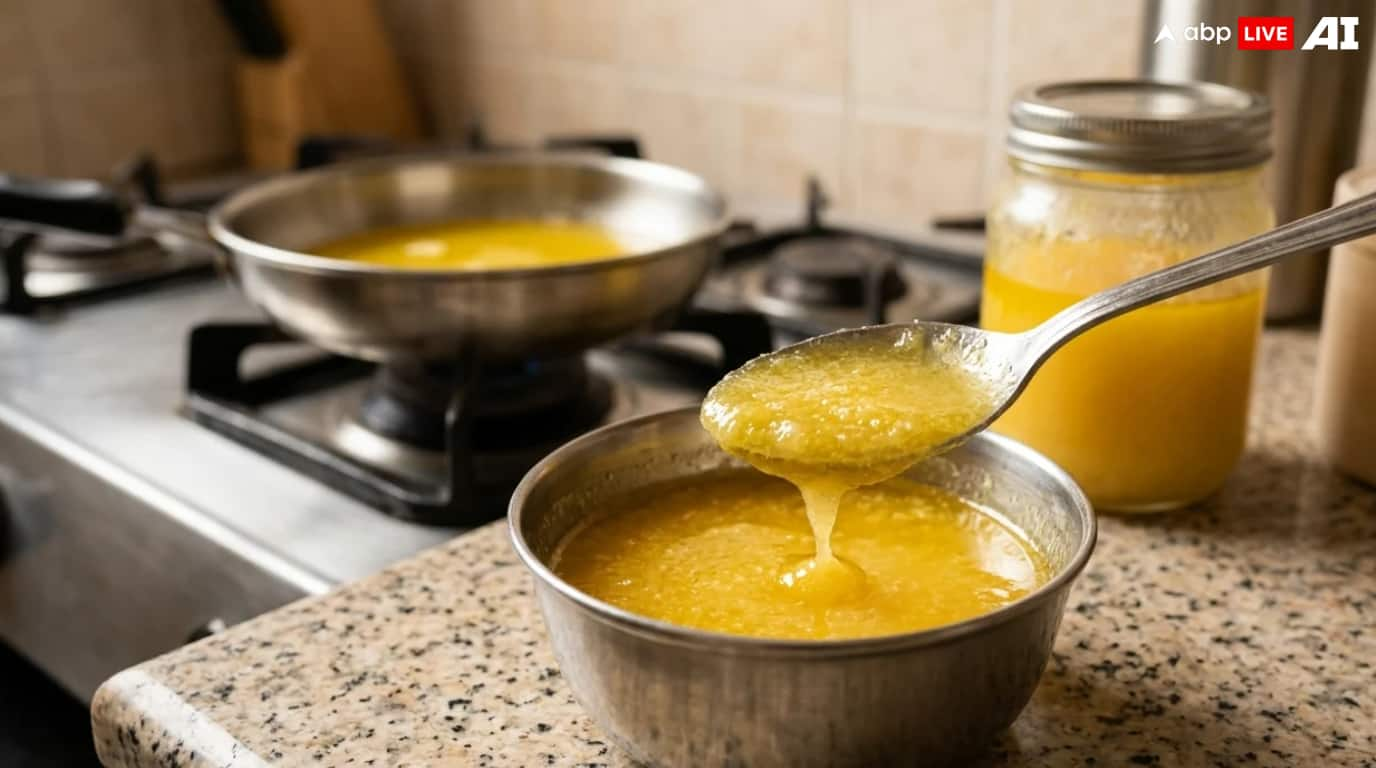
A major crackdown on food adulteration in Delhi has raised concerns about the quality of desi ghee being sold in the market. During a recent operation, authorities seized 948 litres of adulterated ghee, highlighting how fake products are being sold to consumers under the labels of well-known brands.
With the festive season increasing the demand for ghee, consumers need to be careful while purchasing dairy products. Adulterated ghee may contain substances such as vanaspati, palm oil and other fats, which can affect its quality and nutritional value.
However, there are a few simple ways to examine the ghee you have purchased. Some basic checks can be performed at home using everyday ingredients. Here are three methods that may help you identify suspicious ghee.
1. Check Ghee By Rubbing It On Your Palm
One of the simplest ways to examine ghee is by checking how quickly it melts on your palm. Take half a teaspoon of ghee and place it on your palm. Wait for a few seconds and observe what happens.
Pure ghee generally melts when it comes in contact with body heat. It may gradually become transparent or light yellow as it melts.
If the ghee remains solid for a longer time, it could indicate the presence of other fats. However, this test alone cannot confirm whether the ghee is pure or adulterated.
ALSO READ | Does Excessive Screen Time Increase Stroke Risk? Know How It Affects Your Health
2. Observe The Colour And Smell When Heated
Another way to examine ghee is by heating a small quantity in a pan. Place a clean pan on the gas stove and allow it to heat. Add a teaspoon of ghee and observe how it melts.
Pure ghee generally melts quickly and releases a characteristic nutty aroma. Its colour and appearance may also change as it heats.
If the ghee takes longer to melt or has an unusual smell, it may require further testing. However, colour, melting time and aroma can vary depending on the type of ghee and its preparation method.
ALSO READ | Diwali Cleaning Tips: 5 Easy Ways To Clean Ceiling Fans Without Spreading Dust
3. Use Iodine To Check For Starch Adulteration
An iodine test is commonly used to detect the presence of starch in food products. If starch or mashed potato has been added to ghee, this test may help identify it. For this test, take a small quantity of melted ghee in a bowl and add two to three drops of iodine solution. Observe the colour carefully.
If the mixture turns dark blue, it may indicate the presence of starch. This could suggest that substances such as starch or mashed potatoes have been added to the product.
How To Identify Vanaspati Adulteration?
Another test mentioned for checking vanaspati adulteration involves hydrochloric acid and sugar. However, this method should not be attempted at home because hydrochloric acid is a corrosive chemical and can cause serious injuries.
Suspected adulteration should instead be checked through an authorised food-testing laboratory.
Why Is It Important To Check Ghee Purity?
Ghee is commonly used in Indian households for cooking, preparing sweets and adding flavour to everyday meals. However, adulterated products may contain fats and other ingredients that are not declared on their labels.
The recent seizure of 948 litres of suspected fake ghee in Delhi has once again highlighted the importance of checking food quality before consumption.
Consumers should purchase ghee from reliable sellers, check packaging and manufacturing details, and avoid products with suspiciously low prices or unclear labelling.
Important: These household methods are only preliminary checks and cannot scientifically confirm the purity of ghee. Laboratory testing is the reliable way to establish whether a product is adulterated.
This content is published by ABP Live - Lifestyle and has not been created or edited by Hello Headlines. View original